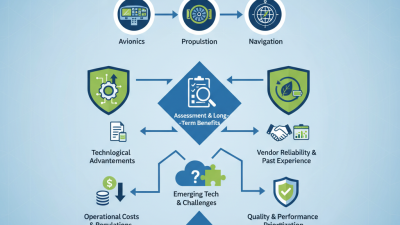
Why Are Aircraft Systems Essential for Aircraft Buyers?
Why are aircraft systems essential for aircraft buyers? Because an aircraft is more than its airframe, cabin, or advertised range. Its engines, avionics, electrical network, flight controls, landing gear, and environmental systems shape how it performs in daily service. A polished cockpit can impress during a viewing. The maintenance records reveal more.
Professor John Hansman of MIT studies aviation systems and operational performance. A buyer-focused paraphrase of his systems perspective is: “Evaluate the aircraft as an integrated system, not as a collection of separate parts.” This is a paraphrase, not a verbatim quotation. That distinction matters. Good advice should be traceable, not dressed up as a quote.
For buyers, aircraft systems affect dispatch reliability, maintenance planning, crew workload, and future upgrade costs. A small warning light may point to a sensor fault, a wiring issue, or a larger troubleshooting task. The detail changes the decision. Ask how often key components have failed, whether parts remain available, and how modifications affect support. Review the technical records with an appropriately qualified aviation professional. Then compare the aircraft’s actual configuration with its sales description.
Numbers help, but they are not the whole story. Two similar aircraft may have different equipment, maintenance histories, and operating demands. Even a thorough review can leave uncertainty. That is worth admitting. Aircraft systems deserve close attention because their condition can shape the ownership experience long after the purchase inspection ends.

What Aircraft Systems Include and How They Work Together
Aircraft systems are the connected equipment that helps an aircraft start, fly, communicate, and land. They include the engines, fuel supply, electrical power, flight controls, avionics, landing gear, and cabin systems. A buyer should look beyond the instrument panel. A worn wire or an aging pump may matter as much as a visible engine issue.
These systems depend on one another. The engine drives the propeller and may also supply power to electrical generators. Batteries can provide backup power, while avionics display navigation and engine data to the pilot. Hydraulic or mechanical connections move control surfaces, and sensors help detect problems. No system works alone. A warning light, for example, may point to a sensor fault, a wiring issue, or a real equipment problem. Diagnosis takes context.
For buyers, this interconnectedness makes maintenance records and a qualified inspection especially valuable. Ask how major components were tested, whether recurring faults were resolved, and what support is available for aging equipment. Redundancy can help maintain function after a failure, but it does not make an aircraft immune to one. A clean cockpit can be reassuring, yet it is only a snapshot. I would be cautious about treating tidy displays as proof of overall system health. The less visible details deserve attention too.
How Aircraft Systems Support Safety and Airworthiness
Aircraft systems work together to keep an aircraft controllable, powered, and properly monitored. Flight controls respond to pilot input, while electrical and hydraulic systems support instruments, brakes, and other equipment. A warning light on the panel may point to a small sensor fault, but it can also signal a problem that needs careful investigation. Small details matter. For buyers, a system’s condition is as important as its apparent function during a demonstration flight.
Airworthiness depends on more than equipment turning on. Maintenance records, inspection findings, and evidence of completed repairs help show whether systems have been cared for and remain within approved limits. Buyers should compare records with the aircraft’s current configuration and ask qualified maintenance professionals to examine unusual wear, leaks, wiring, or inconsistent readings. A smooth test flight cannot reveal every hidden defect. Nor can a tidy logbook guarantee perfect condition. No inspection removes all uncertainty, and that is worth acknowledging. Still, a thorough review of system operation and maintenance history gives buyers a clearer basis for judging safety, future upkeep, and the aircraft’s suitability for their needs.
How Systems Shape Performance and Mission Capability
Aircraft systems turn an airframe into a useful machine. For buyers, the key question is how each system serves the intended mission. A training aircraft needs predictable controls, clear instruments, and dependable starting. A utility aircraft may depend more on payload handling, electrical capacity, and reliable communications. Small details matter.
Engine, fuel, electrical, hydraulic, and environmental systems interact in flight. A weak alternator can limit radios, lighting, or equipment use, even when the engine runs well. In cold weather, cabin heating and windshield defogging affect comfort, workload, and visibility. On a short runway, braking performance and propeller response can influence the usable load. These effects may not be obvious during a quick walk-around. They can emerge in maintenance records and inspections.
Buyers should compare system capability with actual routes, payloads, weather, and expected annual hours. Ask about recurring defects and documented system checks, then arrange an inspection with a qualified mechanic. Installed equipment does not prove good condition. More capability can also mean added weight, training, and repair costs. That trade-off matters. Specifications rarely capture every operational constraint, so a careful buyer should revisit assumptions as the mission becomes clearer.
How System Design Affects Maintenance and Operating Costs
For aircraft buyers, system design shapes more than cockpit capability. It determines how quickly technicians can find faults, reach components, and return an aircraft to service. A control unit behind a crowded panel may turn a routine replacement into hours of access work. Clear fault codes, built-in testing, and modular components can shorten diagnosis and reduce unnecessary part changes. Small details matter.
These savings add up across a fleet. Oliver Wyman’s 2024–2034 Global Fleet and MRO Market Forecast valued worldwide commercial maintenance, repair, and overhaul demand at about $104 billion in 2024, with demand projected to reach $124 billion by 2034. The forecast reflects a large, growing maintenance burden—not a guaranteed saving for any individual aircraft. Buyers should compare task times, component life limits, repair options, and the availability of technical documentation, not just purchase price.
Operating economics leave little room for avoidable downtime. IATA’s June 2024 industry outlook projected a 3.1% net profit margin for airlines in 2024. That narrow margin makes maintainability commercially important. Yet extra redundancy can add weight, while highly integrated systems may require specialized troubleshooting. There is no perfect layout. During evaluation, buyers can ask for sample maintenance procedures and realistic labor-hour estimates, then check whether those assumptions match their own routes, staffing, and facilities.
How Buyers Assess Aircraft Systems Before Purchase
Aircraft-system assessment starts with records, not a polished cockpit. Buyers should match maintenance entries to the airframe and engine serial numbers, then check whether inspections and repairs are documented. The FAA’s 2022 General Aviation and Part 135 Activity Survey estimated about 211,000 active U.S. general aviation aircraft and 25.5 million flight hours. That fleet-wide activity figure gives context, but it cannot tell you how one aircraft was operated.
A pre-purchase inspection should test systems under realistic conditions. Watch the engine start, check oil pressure and temperatures, and confirm that warning lights behave as expected. Test each radio, navigation display, autopilot mode, electrical load, and landing-gear indication. Look for intermittent faults, not just warning messages that appear during a quick power-up. Ask an independent maintenance professional to review logbooks, deferred items, and available engine trend data. Small gaps matter.
The NTSB’s safety reporting and investigation work repeatedly examines how equipment condition and maintenance relate to accidents; a system that works today is not proof of lasting reliability. Ask what was repaired, why it failed, and whether the same fault returned. A clean panel can mislead. So can tidy paperwork. Buyers may overlook cabin heating, battery condition, or backup instruments because they seem less urgent. That is understandable, but it leaves unanswered questions. Check the details before negotiating.