How to Choose Aircraft Systems for Your 2026 Procurement Needs?
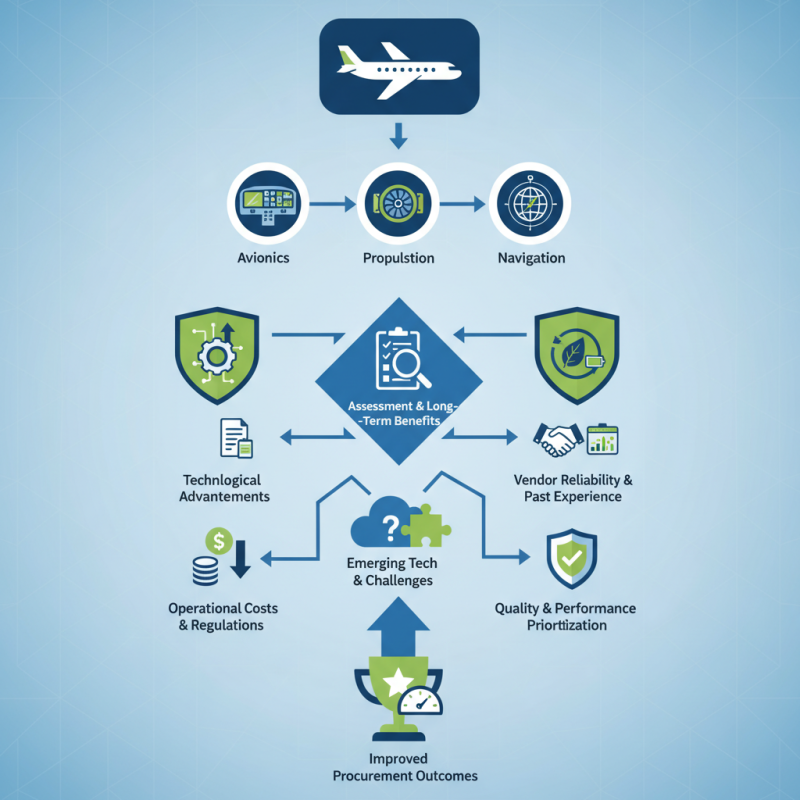
In the rapidly evolving aviation industry, selecting the right aircraft systems for procurement is crucial. As organizations prepare for their 2026 needs, understanding the landscape is essential. Aircraft systems encompass various elements, including avionics, propulsion, and navigation. Each system plays a vital role in ensuring safety and efficiency.
Factors like technological advancements and sustainability must impact decisions. Potential buyers should assess available options and their long-term benefits. These choices can significantly affect operational costs and compliance with regulations. Evaluating past experiences with aircraft systems may help identify reliable vendors.
While the options are plentiful, no system is without flaws or challenges. Some emerging technologies may not yet be tested comprehensively. Decision-makers must remain adaptable and vigilant, acknowledging the complexities involved in aircraft system selection. Prioritizing quality and performance will lead to better procurement outcomes.
Understanding Your Aircraft Procurement Goals for 2026
When planning aircraft procurement for 2026, understanding your goals is vital. Consider operational needs. Are you focused on passenger transport, cargo, or specialized missions? Each category has unique requirements. Assessing these factors shapes your choices.
Budget constraints are another critical aspect. They define not just what you can acquire, but how you operate. Different aircraft systems come with varying maintenance costs and operational efficiencies. It's essential to weigh these against your available resources. A slight miscalculation could lead to financial strain.
Furthermore, consider sustainability. The aviation industry is under pressure to reduce its carbon footprint. A shift towards eco-friendly technologies can align with your procurement goals. This commitment may attract more customers whose values resonate with yours. While the path isn't always clear, it's essential to reflect on the long-term impact of your decisions. Will your choices stand the test of time? Addressing these questions helps refine your strategy.
How to Choose Aircraft Systems for Your 2026 Procurement Needs?
| System Type |
Purpose |
Key Features |
Estimated Cost (USD) |
Integration Difficulty |
Projected Availability |
| Avionics Systems |
Navigation and Communication |
GPS, Fly-by-Wire, Radar |
$1,200,000 |
Medium |
Q4 2025 |
| Power Systems |
Engine Management |
Fuel Efficiency, Thrust Control |
$2,500,000 |
High |
Q2 2026 |
| Flight Control Systems |
Stability and Maneuverability |
Automatic Landing, Fly-by-Wire |
$1,800,000 |
Medium |
Q1 2026 |
| Environmental Control Systems |
Cabin Comfort and Safety |
Air Conditioning, Pressurization |
$900,000 |
Low |
Q3 2025 |
| Surveillance Systems |
Situation Awareness |
Traffic, Weather, Terrain Awareness |
$750,000 |
Medium |
Q4 2025 |
Evaluating Current and Future Aircraft System Technologies
Evaluating aircraft system technologies for 2026 procurement needs requires an understanding of both current advancements and future potential. Recent industry reports indicate that the global aircraft systems market is expected to reach $60 billion by 2026, driven largely by innovations in avionics and propulsion systems. These technologies enhance efficiency and safety, making them essential for any procurement strategy.
Investing in next-generation systems is crucial. For example, advanced avionics can improve situational awareness and reduce pilot workload. Studies show that equipped aircraft can increase operational safety by as much as 30%. Additionally, electric propulsion systems are gaining traction. Their potential to cut fuel consumption by 50% could redefine operational economics in the aviation sector.
While the promise is compelling, challenges persist. For instance, integrating new technologies with legacy systems can be complex and costly. Furthermore, regulatory approvals can delay innovations. Therefore, it is essential to continually assess these technologies' maturity and align them with organizational needs and regulatory frameworks. As the industry evolves, ongoing evaluation will be key to making informed decisions that ensure a successful procurement strategy.
Assessing Budget Constraints and Financial Considerations
When considering aircraft systems for procurement in 2026, financial constraints play a crucial role. Understanding your budget is essential. Take the time to analyze your current financial status, including projected revenue and expenses. Establish a clear budget limit before assessing various systems. This will help eliminate choices that are simply unrealistic.
Explore cost-effective options without compromising quality. Dive into the specifications of systems that meet your operational needs. Some less-known systems can offer high value. However, be wary of impressive features that inflate costs. Sometimes, the latest technology may not be necessary. Prioritize systems that align with your mission requirements.
Remember, procurement is not merely about upfront costs. Think long-term. Maintenance, support, and upgrades can greatly influence total expenditure. Also, engage with financial experts for insights on potential financing options. This can illuminate paths to maximize your investments. Each decision should be reflective and well-informed, avoiding impulsive choices.
Selecting Reliable Vendors and Service Providers for Aircraft Systems
Selecting reliable vendors and service providers for aircraft systems is crucial for your procurement strategy. Start by assessing the vendor's history and reputation. A well-established provider should have a solid track record in delivering quality systems. Look for transparency in their operations and their ability to meet regulatory standards. This conveys trustworthiness and competence.
Next, consider their customer support and service offerings. Vendors should provide comprehensive training and 24/7 support. Evaluate their response times and willingness to address concerns. Communication is key. Vendors who are accessible and responsive foster a productive relationship. However, be wary of those with inadequate support networks.
Finally, gather feedback from industry peers. Personal experiences can highlight potential issues or strengths of a vendor. While some providers may seem promising on paper, real-world insights are invaluable. Don't hesitate to ask for references and case studies. Evaluating these elements can lead you to a vendor who meets your specific needs.
Aircraft Systems Procurement Needs for 2026
This chart illustrates the projected budget allocation for different aircraft systems in the 2026 procurement planning. An emphasis on avionics and flight control systems highlights their importance in modern aircraft design and operation.