Top 10 Experimental Aviation Aircraft for Sale Worldwide

Experimental aviation attracts pilots who value innovation, hands-on engineering, and aircraft with distinctive character. This worldwide selection explores ten experimental aircraft advertised for sale, from compact kit-built two-seaters to capable touring and aerobatic designs. Some feature clean composite lines; others show rivets, fabric, and practical workshop solutions. That variety is part of the appeal. It also makes comparisons difficult. Details matter.

A listed price rarely tells the whole story. Build quality, engine hours, maintenance records, modifications, parts availability, and the aircraft’s intended mission all deserve careful attention. A polished photograph cannot confirm sound construction or reliable performance. Buyers should review documentation, arrange an independent inspection, and consult qualified aviation professionals familiar with the specific design. Operating requirements also vary by location, so local rules and aircraft records need verification before any purchase decision.

This guide offers a starting point, not a guarantee that every listing remains available or suits every pilot. Specifications and asking prices can change, and seller descriptions may leave important questions unanswered. No shortlist is perfect; the most intriguing aircraft may not be the most practical choice. Use these examples to compare design, condition, support, and likely ownership demands. Sometimes the right aircraft is the less glamorous one. That takes patience.
Top 10 Experimental Aviation Aircraft for Sale Worldwide

Defining Experimental Aircraft and the Scope of the Global Market

“Experimental aircraft” is a broad description, not one consistent worldwide category. It can include amateur-built aircraft, research designs, and heavily modified airframes. The exact classification and operating limits depend on the aircraft’s documentation and the rules where it is registered. Details matter. A listing should identify the build status, flight-test history, maintenance records, and any restrictions on use. A photograph of a polished fuselage cannot establish airworthiness.

The global market brings together aircraft at very different stages: complete and flying, unfinished in a workshop, or offered as a project. Prices and availability can be difficult to compare because listings may omit build hours, equipment, damage history, or the work needed before flight. Look for clear logbooks, traceable component records, and current inspection information. Ask who completed the build and whether qualified specialists have reviewed it. Small clues count: corrosion around a fitting, inconsistent entries, or missing weight-and-balance data can change the practical value. A low asking price may reflect substantial effort ahead. That is easy to underestimate. Buyers also need to account for transport, registration, import procedures, and local operating requirements. The global label is useful, but the paperwork tells the fuller story.

Experimental Aircraft for Sale Worldwide: Market Scope and Typical Cruise Speeds

A global view of the experimental-aircraft market spans diverse designs and missions. This chart compares indicative cruise speeds for ten generic aircraft configurations; it does not represent live listings or sales rankings.

Cruise speeds are approximate representative figures in knots and can vary substantially with aircraft design, engine, loading, and operating conditions. Experimental-aircraft availability and listing counts change over time and by region.

Key Factors for Evaluating Experimental Aircraft Listings

An asking price is only a starting point; experimental aircraft vary widely in build quality, upkeep, and documentation. Read the listing beside the aircraft’s logbooks, not as a substitute for them. Look for dated entries covering construction, repairs, engine hours, propeller history, and condition inspections. Check whether the stated empty weight matches a current weight-and-balance report. Small mismatches matter. Photographs should show seams, control surfaces, landing gear, cockpit instruments, and any visible corrosion or fabric wear. Ask for close views, not only polished ramp shots. Paper can look tidy.

Arrange an independent pre-purchase inspection with someone familiar with the aircraft’s design and build method. Have them examine control rigging, attachment points, engine condition, wiring, and evidence of undocumented repairs. Engine hours alone are not a health report. Ask how the aircraft was stored, flown, and maintained, and compare answers with the records. Confirm operating limitations, equipment, and the steps needed for registration or delivery in your location. These details can affect cost and timing. If a seller rushes you, pause. Even careful checks leave uncertainty; a spotless listing cannot reveal everything once the cowling is open. That is worth remembering.

Top 10 Experimental Aviation Aircraft for Sale Worldwide - Key Factors for Evaluating Experimental Aircraft Listings

The entries below are aircraft configuration profiles, not verified live listings. Availability, prices, specifications, and operating rules vary by aircraft and country; confirm them against the specific aircraft’s records and the relevant aviation authority.

Rank Aircraft profile Typical configuration Common mission Key evaluation factors Records and checks to request
1 Two-seat, side-by-side touring aircraft Low-wing or high-wing; piston engine; fixed or retractable landing gear Cross-country travel and recreational flying Useful load with full fuel, baggage allowance, cruise performance, fuel-system condition, and completion quality Aircraft weight-and-balance report, build and maintenance records, engine and propeller time, and operating limitations
2 Two-seat tandem aerobatic aircraft Tandem seating; reinforced structure; piston engine; conventional landing gear is common Aerobatic training, sport flying, and display practice where permitted Approved aerobatic weight and balance, stress or repair history, control-system condition, and permitted maneuvers Operating limitations, inspection records, repair documentation, control-system inspection, and any required maneuver restrictions
3 Single-seat aerobatic aircraft Single-seat, lightweight airframe; piston engine; often designed for high maneuverability Solo aerobatics and competition practice Structural history, fatigue-sensitive areas, engine health, pilot skill requirements, and local aerobatic operating rules Detailed airframe inspection, engine trend and maintenance records, logbooks, and documentation of prior hard landings or overstress events
4 High-performance two-seat kit aircraft Typically a compact piston aircraft with side-by-side seating and a relatively high cruise speed Fast personal travel and recreational use Build documentation, actual empty weight, useful load, cooling performance, and evidence that modifications are properly documented Builder records, current weight-and-balance data, modification approvals or records as applicable, and engine inspection history
5 Two-seat light-sport-style experimental aircraft Lightweight two-seat airframe; commonly fixed landing gear and a piston engine Local trips, recreational flying, and economical operation Jurisdiction-specific eligibility, payload with fuel, stall and operating characteristics, and support for the installed engine and avionics Registration and airworthiness documents, operating limitations, weight-and-balance report, and documented maintenance history
6 Tailwheel cross-country aircraft Piston-powered tailwheel configuration; may use metal, composite, or fabric-covered construction Touring, recreational flying, and operation from suitable prepared or unimproved strips Landing-gear alignment, tailwheel and brake condition, corrosion or fabric condition, and pilot transition requirements Landing-gear inspection, covering or corrosion records, repair history, and details of any modifications affecting handling
7 High-wing utility or backcountry-style aircraft High-wing piston aircraft; often fixed landing gear and a large cabin relative to its size Utility flying and access to suitable shorter or less-developed runways Actual takeoff and landing performance, loading limits, propeller and landing-gear condition, and runway suitability Performance data for the specific aircraft, inspection and repair records, weight-and-balance report, and documented equipment changes
8 Amphibious experimental aircraft Piston-powered airframe with hull or floats and retractable water and land gear, depending on design Recreational water and land operations where authorized Corrosion and water-ingress checks, gear-system operation, hull or float condition, and applicable water-operation rules Hull or float inspection records, corrosion history, landing-gear checks, and documentation of required operating limitations
9 Composite two-seat touring aircraft Composite airframe; usually piston-powered, with fixed or retractable landing gear Personal travel and recreational flying Bond-line and laminate condition, evidence of impact or moisture damage, repair quality, and specialist inspection access Composite inspection report, repair documentation, maintenance history, and confirmation that the inspector is familiar with the construction type
10 Experimental electric aircraft Electric motor and battery system; range and payload depend on the installed system and operating conditions Short local flights and development or recreational use, subject to approval and limitations Battery age and condition, verified usable energy, charging compatibility, thermal management, and availability of technical support Battery and motor records, system inspection data, charging requirements, flight-test documentation, and current operating limitations

Before purchase, independently verify title and registration status, airworthiness documents, applicable operating limitations, maintenance records, and the aircraft’s condition through a qualified inspector. Experimental-category rules, passenger restrictions, inspection requirements, and permission to operate can differ substantially between countries.

Top Experimental Aircraft Models Offered for Sale Worldwide

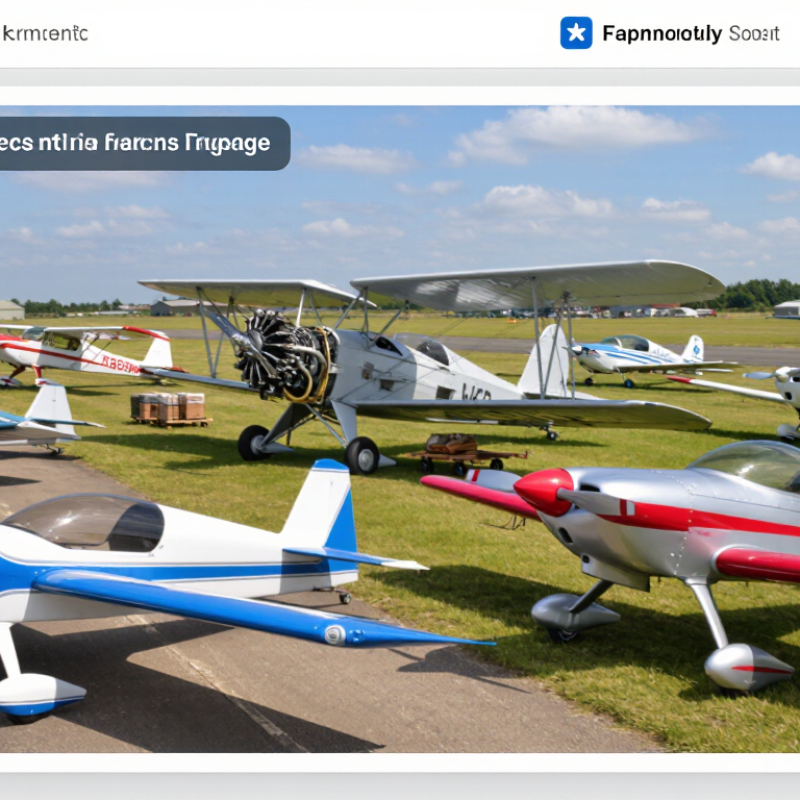
Experimental aircraft listings worldwide often center on a few practical designs. Two-seat, side-by-side kit aircraft appeal to pilots who want cross-country range and room for a passenger. Look closely at useful load, fuel capacity, and baggage space; a roomy cabin can still leave little payload. Some listings describe ambitious range figures, but real performance depends on loading, weather, and maintenance.

High-wing utility aircraft offer slower handling and useful visibility for local flying. Tailwheel designs attract pilots who value short-field capability, though they require focused ground-handling skills. For aerobatics, compact single-seat aircraft prioritize responsiveness over comfort. They are not casual weekend cruisers. Motorgliders, meanwhile, combine powered travel with efficient soaring, but their long wings need careful storage planning.

Build method matters as much as the airframe type. Buyers may encounter factory-built kit aircraft, partially completed projects, and finished homebuilt examples. Ask for build records, engine history, recent inspection findings, and clear photographs of control surfaces and cabin fittings. A polished exterior tells only part of the story. Availability and operating requirements vary by country, so confirm local registration and inspection rules with qualified aviation professionals. Paperwork can be tedious; it is also easy to underestimate how much it reveals.

Comparing Aircraft Performance, Prices, and Ownership Requirements

Worldwide experimental-aircraft listings are difficult to rank by price alone: asking prices rarely reflect the same equipment, build quality, or maintenance history. Compare cruise speed, useful load, range, and runway needs, then check each figure against the aircraft’s records. A faster cruise may mean higher fuel use and less payload. Small details matter: a two-seat aircraft with full tanks may leave little room for baggage.

The FAA’s 2023 General Aviation and Part 135 Activity Survey estimates about 211,000 active general aviation aircraft in the United States; it does not provide a global experimental-aircraft sales count. Treat that as market context, not a measure of worldwide availability. Prices also vary widely with completion, engine hours, avionics, and inspection findings, so use current listings as asking-price evidence, not confirmed sale values. That distinction is easy to miss.

Ownership requires more than purchase funds. For amateur-built aircraft in the United States, operating limitations can include a flight-test phase, and an authorized person must complete the required condition inspection. Requirements differ by aircraft and jurisdiction. Budget for specialist maintenance, insurance, hangar space, and transition training. I would verify logbooks and weigh actual payload carefully; published specifications can look reassuring, but real loading may disappoint.

Verifying Listings, Airworthiness Records, and Seller Credentials

An online listing is only a starting point; photographs cannot confirm an aircraft’s condition or history. Ask for the aircraft’s serial number, current registration details, and complete maintenance logbooks before arranging a visit. Compare recorded hours, engine changes, repairs, and inspection dates across the documents. Look for gaps, rewritten entries, or descriptions that do not match the aircraft. Small gaps matter. A neat folder is useful, but it is not proof that every detail is correct.

Confirm that the seller can document ownership or authority to sell. Request clear copies of relevant airworthiness documents, operating limitations, and inspection records, then verify their status with the appropriate aviation authority or a qualified adviser. Requirements differ by country. Have an independent mechanic experienced with experimental aircraft inspect the structure, control systems, engine, and recent repairs. A brief ground walk-around can reveal loose fasteners or leaking fluid, but it cannot replace a detailed inspection.

I would not treat a confident seller as a substitute for evidence; it is easy to feel reassured by polished photos. If records remain unclear, pause the purchase and ask specific questions in writing.