| Consolidated fuel |
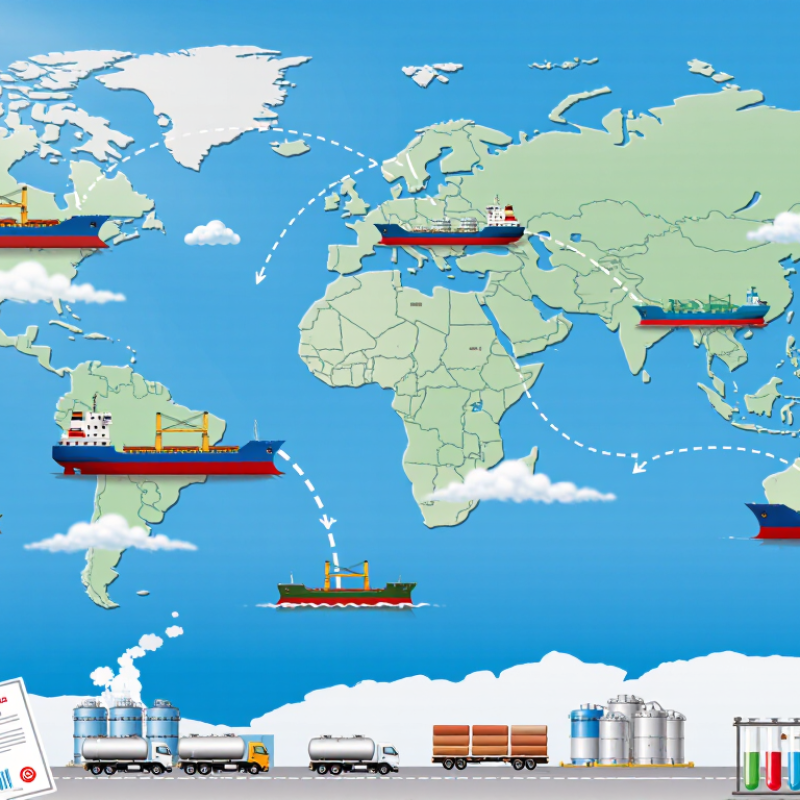
An industry purchasing approach in which fuel demand from multiple vessels, voyages, ports, or delivery dates is aggregated to improve procurement planning and negotiation. |
It can provide a clearer view of total demand across a fleet and reduce fragmented purchasing decisions. |
Confirm whether the arrangement is a physical supply contract, a framework agreement, or a centralized buying program. |
| Primary marine fuel categories |
Common categories include very-low-sulfur fuel oil, marine gas oil, liquefied natural gas, methanol, and biofuels. Availability varies by port and region. |
Fuel choice affects compliance, tank capacity, engine compatibility, storage requirements, and voyage economics. |
Match the selected fuel with the vessel’s approved engine configuration and fuel-handling systems. |
| Sulfur limit |
The global sulfur limit for fuel oil used outside designated emission control areas is 0.50% m/m. The limit is 0.10% m/m inside applicable emission control areas. |
Non-compliant fuel may lead to operational disruption, penalties, or detention risk. |
Specify the required sulfur level by route, port, and delivery date; retain representative samples and documentation. |
| Fuel quality standard |
ISO 8217 establishes specifications for marine fuels, including properties such as viscosity, density, water, sulfur, flash point, and catalytic fines. |
Consistent quality helps protect fuel pumps, injectors, separators, engines, and exhaust-treatment equipment. |
State the applicable ISO 8217 edition and fuel grade in the purchase specification and contract. |
| Energy content |
Conventional marine fuel oils generally contain more energy per unit of mass than many alternative fuels, while the exact value depends on fuel composition and test method. |
Energy density affects tank volume, payload capacity, range, and voyage fuel planning. |
Compare fuels on an energy-equivalent basis rather than relying only on price per metric tonne or cubic metre. |
| Delivery terms |
Marine fuel is commonly delivered by bunker vessel, barge, truck, or shore connection, depending on port infrastructure and quantity. |
The delivery method determines scheduling flexibility, minimum order quantity, transfer time, and port compatibility. |
Define the nominated port, delivery window, quantity tolerance, transfer rate, and responsibility for delays. |
| Quantity planning |
A consolidated order should combine forecast consumption with route distance, expected speed, weather margin, port delays, reserve fuel, and tank limitations. |
Accurate forecasting reduces emergency purchases and avoids excessive onboard inventory. |
Use metric tonnes or cubic metres consistently and include a documented tolerance range for delivered quantity. |
| Pricing structure |
A consolidated fuel price may combine a published market reference, a location differential, delivery costs, taxes, applicable surcharges, and supplier margin. |
A transparent formula makes quotations from different ports and delivery dates easier to compare. |
Request a line-item quotation and identify the price basis, quotation validity, currency, taxes, and adjustment mechanism. |
| Contract consolidation |
A framework contract can aggregate several deliveries while preserving separate delivery dates, ports, fuel grades, and vessel nominations. |
This structure supports fleet-wide planning without requiring every delivery to occur at one location. |
Include nomination deadlines, cancellation rights, volume flexibility, substitution rules, and force majeure provisions. |
| Quality verification |
Bunker delivery documentation should include the delivered quantity, fuel grade, sulfur content, density, sampling details, and receiving vessel information. |
Documented verification supports safe operation, regulatory compliance, and resolution of quality disputes. |
Use agreed sampling procedures, seal samples correctly, and consider independent laboratory testing when risk or contract value justifies it. |
| Operational compatibility |
Fuel compatibility depends on characteristics such as stability, viscosity, density, water content, and the vessel’s treatment and storage systems. |
Incompatible fuels can cause sludge, filter blockage, loss of propulsion, or equipment damage. |
Review fuel changeover procedures, segregation requirements, heating needs, and crew handling instructions before delivery. |
| Emissions and reporting |
Fuel consumption data supports carbon-intensity calculations, voyage reporting, emissions monitoring, and applicable maritime environmental obligations. |
Accurate records help operators manage environmental performance and demonstrate compliance. |
Record fuel quantity, grade, sulfur level, delivery location, fuel consumption, and relevant supporting documents. |
| Recommended buying workflow |
Forecast demand, group compatible requirements, issue a structured request for quotation, compare total delivered cost, confirm quality terms, and schedule delivery. |
A standardized workflow improves visibility across vessels and reduces avoidable procurement and operational risks. |
Evaluate suppliers using delivered cost, port coverage, quality controls, reliability, documentation, credit terms, and claims handling. |