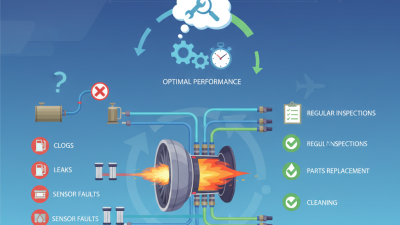
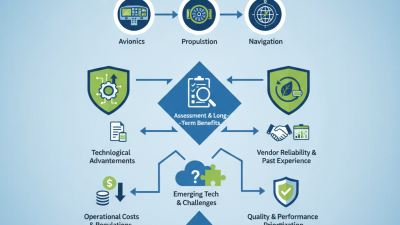
Choosing a fuel flow divider is a precision decision, not a parts-counter guess. In a fuel-injected piston engine, the divider meters fuel to individual injector lines. A poor match can mean uneven fuel distribution, rough operation, or difficult troubleshooting. The right choice starts with the engine model, injection-system configuration, approved part number, and the manufacturer’s current service information.
Industry reports help explain why careful component selection matters. The FAA’s General Aviation and Part 135 Activity Survey tracks aircraft use and flight activity, while GAMA’s Statistical Databook documents fleet and shipment trends. These reports describe the operating environment; they do not certify a particular divider. For fit and airworthiness, use the engine and aircraft manufacturers’ manuals, applicable FAA requirements, and verified maintenance records. Check inlet and outlet fittings, pressure limits, calibration requirements, materials, and overhaul support. Small details matter. A fitting that looks identical may not be interchangeable.
A useful maintenance perspective comes from Mike Busch, an A&P/IA and aviation maintenance author. His familiar maxim is, “If it ain’t broke, don’t fix it.” That is not a reason to ignore symptoms. It is a reminder to diagnose with evidence before replacing parts. Compare the divider’s specifications with the engine documentation, then have qualified maintenance personnel confirm compatibility and installation requirements. One caution: published guidance can be easy to misread, and an apparently simple match may hide a configuration difference. This guide focuses on those checks, so your fuel flow divider choice is grounded in documentation rather than guesswork.
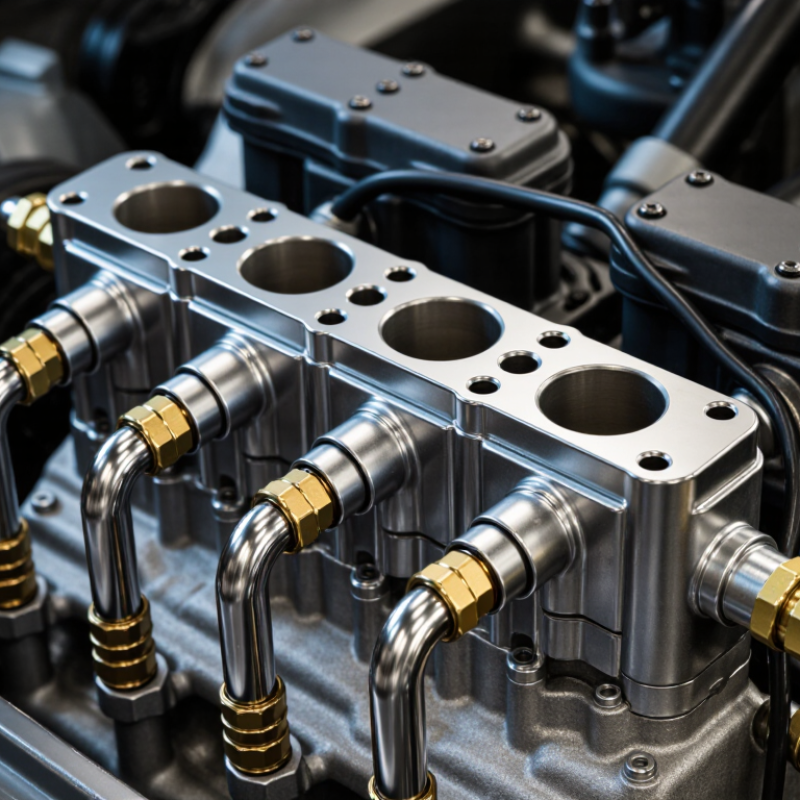
A fuel flow divider is a small control unit in some continuous-flow fuel injection systems. It receives metered fuel and directs it through separate lines to the engine’s cylinders. During operation, fuel pressure moves an internal valve against spring force, allowing fuel to pass to the injector nozzles. That small movement matters. If the valve sticks or a passage becomes restricted, fuel delivery can become uneven.
When the engine stops, falling fuel pressure allows the spring to close the valve. This helps prevent fuel from continuing to drip into the intake after shutdown. The divider does not create fuel pressure or correct every mixture problem; it works with the fuel pump, metering unit, lines, and nozzles. A rough idle may have several causes, so replacing the divider by guesswork can miss the real issue.
Choosing a suitable divider means checking the engine and injection-system specifications, connection layout, pressure requirements, and approved service information. Small differences in fittings or calibration can matter. A clean exterior proves little. Inspection should include leakage, internal movement, and line condition, using procedures appropriate to the system. It is easy to overlook a kinked line nearby. A qualified technician can help verify compatibility and diagnose irregular fuel distribution.
Start with the engine’s approved maintenance data, not the divider’s appearance. Confirm the engine model, injection-system configuration, number of outlets, specified fuel pressure, and required flow range. The FAA’s Aviation Maintenance Technician Handbook—Powerplant explains how fuel-injection components meter and distribute fuel; those functions must match the engine’s design. A mismatch can cause uneven delivery, hard starting, or poor performance. Small details matter.
Check the complete system too. Record the pump’s operating pressure, injector type, hose routing, and any approved modifications. Compare these details with the divider’s part specification and service limits. The FAA’s 2022 General Aviation and Part 135 Activity Survey reported 204,405 active general aviation aircraft in the United States, a reminder that “aviation engine” covers many configurations—not one universal setup. That figure does not select a divider; the engine documentation does. I would not assume two similar-looking units are interchangeable.
Tip: Photograph the existing connections and note the stamped part number before removal. Verify compatibility against current engine data, then have a qualified technician confirm installation and leak checks. A neat fit is not proof.
Fuel flow dividers are not interchangeable simply because they have the same number of outlets. A pressure-operated divider opens when fuel pressure reaches its designed threshold, then routes fuel to the connected nozzles. Other system designs may use different internal arrangements, so confirm the divider type specified for the engine. Small differences matter.
Compare the operating pressure range, inlet flow capacity, outlet count, and permitted variation between outlets. A divider must supply the required fuel across the engine’s operating range, not just at one test point. Check how its specification relates to the pump, fuel lines, and nozzle sizes. For example, pressure measured at the divider inlet may differ from pressure at a nozzle when lines are long or restricted. The details depend on the system.
Temperature limits, fuel compatibility, and tolerance for contamination also deserve attention. Fine debris can affect small internal passages, even when the exterior looks clean. A useful comparison starts with the engine’s approved service data, then checks the divider’s documented flow and pressure requirements against it. I would not choose by flow rate alone; that shortcut feels tidy, but can miss an important pressure condition. When figures are unclear, ask a qualified maintenance professional to verify the match.
A fuel flow divider works in a demanding environment: fuel exposure, heat, vibration, and pressure all affect its materials. Check the body, seals, and internal components separately. A metal housing may tolerate operating temperatures, while an elastomer seal can swell, harden, or leak after contact with an incompatible fuel. ASTM D471 provides a recognized method for measuring rubber changes after liquid exposure. Ask for test results that identify the exact material and fuel tested. Similar names do not guarantee identical compounds.
Compatibility is specific. Confirm the divider is approved for the engine, fuel type, operating pressure, and temperature range in your application. SAE technical standards offer aerospace design and test guidance, but a standard reference alone does not prove that a particular part is approved. Request traceable documentation: material specifications, inspection records, and the applicable installation or maintenance instructions. Small details matter. A seal that looks correct can still be wrong.
Certification deserves the same scrutiny as material choice. FAA engine certification guidance, including AC 33.17-1 on fuel system icing, addresses hazards that can affect fuel delivery. Check that the component’s approval and configuration match the aircraft or engine documentation, and verify whether repairs or substitutions change that status. Keep the records with the maintenance file. Paperwork can be tedious, and it may not answer every question; when test conditions or approval scope are unclear, ask the manufacturer or a qualified maintenance professional before installation.
| Selection Check | Material or Evidence | What to Verify | Practical Guidance |
|---|---|---|---|
| Housing material | Aluminum alloy | Alloy specification, surface treatment, corrosion protection, and compatibility with the specified fuel and operating environment. | Aluminum can offer a lightweight housing, but suitability depends on the exact alloy, finish, design, and approved application. |
| Housing material | Stainless steel | Specified stainless-steel grade, corrosion conditions, joining methods, and the effect of added mass on the installation. | Stainless steel can provide corrosion resistance, but it is not automatically the best choice; confirm the complete assembly is designed and approved for the application. |
| Seals and diaphragms | Fluoroelastomer (FKM) or nitrile rubber (NBR) | Exact compound, fuel type, temperature limits, pressure conditions, and any exposure to additives or cleaning fluids. | Fuel resistance varies by compound. Do not select a seal based on the generic polymer name alone; use the component maker’s compatibility data. |
| Seals and seats | Polytetrafluoroethylene (PTFE) | Part design, sealing method, temperature range, and whether the material is supported against movement or deformation in service. | PTFE has broad chemical resistance, but its mechanical behavior and sealing performance depend on the design and operating conditions. |
| Fuel compatibility | Specified fuel grade and permitted additives | Confirm the divider is approved for the actual fuel. Aviation gasoline, automotive gasoline with ethanol, and turbine fuels have different compositions and requirements. | Never assume compatibility across fuel types or fuel blends. Check the engine and aircraft documentation, and confirm any permitted ethanol content or additive restrictions. |
| Operating limits | Pressure, flow, temperature, and vibration ratings | Compare the divider’s documented limits with the engine installation requirements across the full operating range. | Choose a unit whose approved limits meet the installation requirements; a matching connection size alone does not establish suitability. |
| Certification and installation approval | Applicable design approval and installation documentation | Verify the exact part number and configuration against the applicable type design, approved modification, or other accepted approval basis. | Certification requirements depend on the aircraft, engine, and jurisdiction. Do not assume every fuel flow divider has a standalone TSO approval. |
| Release and traceability | Authorized release documentation and component records | Check identity, serial or batch traceability where applicable, condition, maintenance history, and the records required by the installation. | An airworthiness release document, where applicable, supports traceability or release status; it does not by itself establish that the part is approved for every installation. |
| Final verification | Approved maintenance instructions and functional checks | Confirm installation, leakage checks, adjustment procedures, and any required operational test follow the applicable maintenance data. | Have installation and testing performed in accordance with the relevant approved instructions by appropriately authorized personnel. |
How to Choose the Right Fuel Flow Divider
Installation and maintenance should shape your choice as much as the divider’s rated flow range. Confirm that its pressure limits, connections, orientation, and materials match the engine and fuel system documentation. A fitting that looks correct may still place strain on a line or interfere with nearby parts. Check the available clearance before ordering. During installation, use the specified procedures and have a qualified technician inspect connections for leaks and secure mounting. Small details matter.
Plan for service after installation, too. Ask what inspection intervals apply, which wear signs to watch for, and whether routine testing requires special equipment. Keep records of operating hours, inspections, and any irregular fuel distribution. A simple log helps reveal patterns, though it can’t explain every fault. Don’t guess.
Supplier support is part of the selection. Request clear installation documents, inspection guidance, traceable product records, and realistic lead times for replacement parts. Ask how technical questions are handled when symptoms are unclear. A helpful supplier should explain limits without promising that one component will solve every engine problem. Compare the quality of those answers, not just the purchase price. I’ve seen a neat checklist miss an awkward access point; verify fit in the actual installation space before committing.
Evaluating Installation, Maintenance, and Supplier Support
How to use this chart: It counts practical evaluation questions in each category—not product ratings or performance data. Use the applicable aircraft and engine maintenance documentation when assessing a specific fuel flow divider.