
China Top Fuel Controls Manufacturers for Buyers?
Choosing a Chinese fuel controls manufacturer takes more than comparing prices or browsing product photos. Buyers need to assess application fit, test records, material traceability, calibration capability, and after-sales support. A valve body may look identical across two quotations; its pressure range, response time, and inspection history may not be.
The International Energy Agency’s Global Energy Review 2024 reported that energy-related carbon dioxide emissions reached 37.4 billion tonnes in 2023, up 1.1% from 2022. That figure is not a fuel-controls market forecast, but it highlights the scale of energy-system performance challenges. In engines, generators, and industrial equipment, precise fuel metering can influence operating stability and efficiency. Small details matter. Buyers should request documented specifications and test evidence, rather than relying on broad claims.
W. Edwards Deming, a manufacturing-quality expert, is widely associated with the principle, “Quality is everyone’s responsibility.” For fuel controls, that principle points buyers toward the whole production chain: engineering review, incoming-material checks, assembly controls, calibration, and final inspection. This guide compares Chinese suppliers through practical buyer questions, including product range, customization, quality documentation, and communication. It cannot replace independent technical qualification. Supplier claims still need verification, and a polished catalogue is not proof of consistent production. The right shortlist starts with evidence, clear requirements, and a willingness to ask difficult questions.
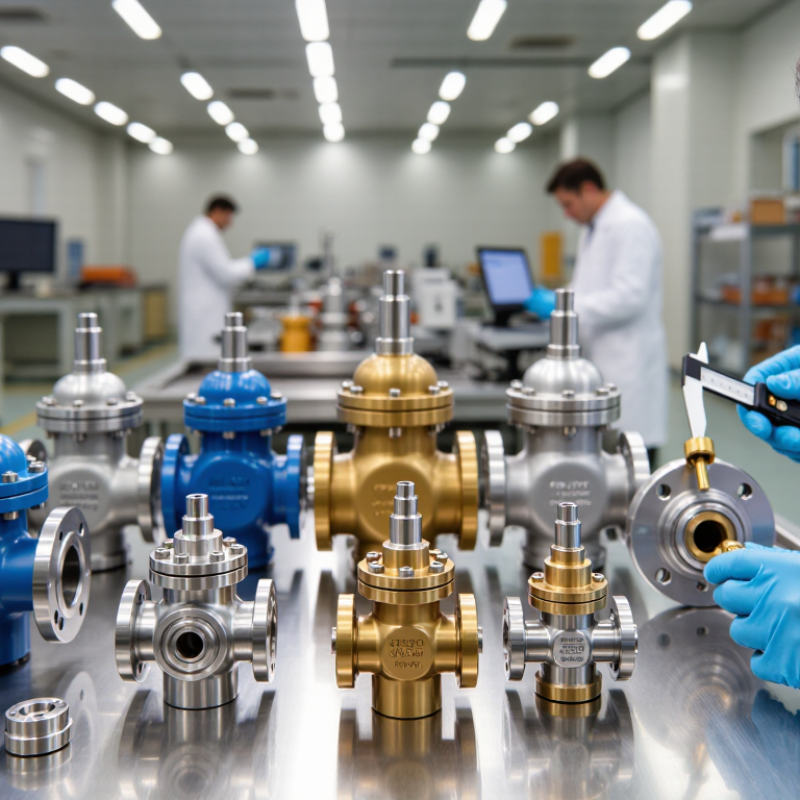
Fuel Control Systems: Components, Functions, and Applications
Fuel-control systems meter and deliver fuel under changing load, temperature, and speed. A typical electronic system includes a tank, filter, pump, pressure regulator, fuel rail, injectors, sensors, and an engine control unit. The pump supplies fuel; injectors shape each spray; sensors report pressure, airflow, and temperature. The control unit adjusts injection timing and quantity. Small details matter. A clogged filter or worn injector can cause rough idling, hard starts, or uneven power.
These systems serve passenger vehicles, trucks, agricultural machinery, marine engines, and stationary power equipment. Their designs differ: diesel common-rail systems operate at very high pressure, while port-injected gasoline systems spray fuel into intake ports. The Global Fuel Economy Initiative’s 2021 report found that new light-duty vehicle fuel economy improved by about 1.7% annually from 2005 to 2019; its 2030 pathway calls for roughly 4% annual improvement. Better metering can support efficiency, but hardware alone cannot deliver it. Calibration, fuel quality, maintenance, and operating conditions matter too. A neat system diagram can hide this messy reality; field diagnosis still takes patience.
| Component | Primary Function | Typical Applications | Buyer Checks |
|---|---|---|---|
| Fuel metering valve | Regulates fuel flow to match an engine or burner’s operating demand. | Gas turbines, industrial burners, and some electronically controlled engine systems. | Confirm flow range, response characteristics, fuel compatibility, and pressure rating. |
| Fuel pump | Moves fuel from the supply or tank and provides the pressure required by the system. | Diesel engines, gas turbines, generators, and fuel-transfer systems. | Check rated flow and pressure, inlet conditions, material compatibility, and duty cycle. |
| Pressure regulator | Maintains or limits fuel pressure within the specified operating range. | Fuel supply lines, burner trains, engine systems, and gas-fuel installations. | Verify set-pressure range, allowable pressure variation, connection type, and applicable safety requirements. |
| Fuel shutoff valve | Stops or permits fuel flow, including during shutdown or a safety trip. | Industrial combustion equipment, gas turbines, and engine fuel systems. | Check fail-safe position, leakage class, actuation method, response time, and required approvals. |
| Fuel filter or strainer | Captures contaminants that could damage pumps, valves, injectors, or metering components. | Diesel and gasoline systems, turbine fuel lines, and industrial fuel skids. | Confirm filtration rating, flow capacity, pressure drop, service interval, and element availability. |
| Fuel pressure and flow sensors | Measure operating conditions and provide signals for monitoring, alarms, or control. | Engine management, turbine control, fuel skids, and combustion monitoring. | Review measurement range, accuracy, output signal, temperature rating, and calibration requirements. |
| Actuator or servo mechanism | Positions a metering valve or other control element in response to a command. | Electronic fuel controls for turbines, engines, and industrial combustion systems. | Check stroke or rotation, torque, response, feedback options, and environmental protection. |
| Electronic control unit (ECU) | Processes sensor inputs and controls fuel delivery according to programmed operating logic. | Electronically controlled engines, generator sets, and turbine control systems. | Clarify I/O, communication protocols, software configuration, diagnostics, and environmental limits. |
| Fuel manifold and pipe assembly | Routes fuel between system components and distributes it to multiple outlets where required. | Industrial burners, multi-nozzle systems, engine installations, and packaged fuel skids. | Review material grade, pressure rating, joining method, cleanliness, and leak-test documentation. |
| Fuel injector or burner nozzle | Introduces and, depending on design, atomizes or distributes fuel for combustion. | Diesel engines, gas turbines, boilers, and industrial furnaces. | Match the specified fuel, flow, spray or distribution pattern, operating pressure, and combustion design. |
Specifications vary by fuel type, system design, and operating conditions. Buyers should confirm the applicable drawings, test requirements, certifications, and interface details for each project.
Related Posts
-

Top 10 Experimental Aviation Aircraft for Sale Worldwide
-

Who Are the 2026 Top Aircraft Fuel System Suppliers?
-

Best General Aviation Fuel Options for Pilots in 2026?
-

Why Choose Aviation Kits for Global Aircraft Maintenance?
-

10 Aircraft Service Tips Every Global Buyer Should Know
-

What is General Aviation and Why is it Important for the Aviation Industry