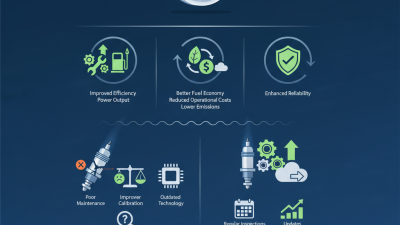
Who Are the 2026 Top Aircraft Fuel System Suppliers?
The aircraft fuel system is becoming a strategic aircraft component, not merely a plumbing network. It controls fuel storage, transfer, measurement, filtration, pressure, and delivery under demanding flight conditions. Suppliers must support safety, weight reduction, digital monitoring, and compatibility with evolving fuels.
Boeing’s Commercial Market Outlook 2025–2044 forecasts demand for approximately 43,600 new commercial aircraft. Airbus’ Global Market Forecast 2025–2044 estimates a similar requirement of about 43,420 aircraft. These projections indicate sustained opportunities for qualified fuel-system manufacturers and maintenance providers. IATA’s industry outlook also keeps fuel efficiency and sustainable aviation fuel central to airline cost planning. The technology challenge is real.
This report examines potential 2026 leaders, including Collins Aerospace, Safran Aerosystems, Parker Aerospace, Eaton Aerospace, Woodward, and Triumph Group. The comparison considers installed aircraft base, certification experience, production capacity, aftermarket reach, reliability evidence, and investment in lower-emission technologies. A supplier with strong revenue may not always lead in system innovation. That distinction matters.
Public rankings remain imperfect. Companies disclose different figures, while fuel-system contracts are often integrated into broader aerospace segments. Some performance data is confidential. Therefore, the analysis uses company filings, aircraft-program disclosures, supplier announcements, and established industry reports rather than promotional claims alone. This approach supports a more balanced view of authority and practical experience. It also leaves room for correction, because market leadership can change quickly when new platforms, acquisition activity, or SAF requirements reshape purchasing decisions.

Aircraft Fuel Systems: Definition and Core Functions
Who Are the 2026 Top Aircraft Fuel System Suppliers?
Aircraft Fuel Systems: Definition and Core Functions
An aircraft fuel system stores, cleans, moves, and measures fuel safely. It connects fuel tanks with engines through pumps, valves, filters, pipes, sensors, and control units. The system must deliver the correct flow at different altitudes, temperatures, and engine demands.
It also manages fuel balance. Transfer pumps can move fuel between tanks to support stable weight distribution. Valves isolate damaged sections or control fuel routes during maintenance. Filters capture water and particles before they reach sensitive engine components. Pressure regulators help maintain steady delivery, while sensors report quantity, temperature, and pressure to the flight crew.
Small details matter. A blocked filter can reduce engine performance. A leaking seal can create fire and environmental risks. During inspection, technicians check pipe joints, electrical connections, tank surfaces, and pump operation. They follow approved maintenance data and record each finding for traceability.
The definition sounds straightforward. Real systems are not. Fuel movement changes as the aircraft climbs, turns, and consumes fuel. Vapor formation, sensor drift, and uneven tank loading can complicate diagnosis. Some inspections also depend on assumptions that deserve review. A clean indication does not always prove perfect system health. Reliable suppliers therefore need practical engineering experience, controlled production, testing discipline, and clear technical documentation.
Aircraft Fuel Systems: Definition and Core Functions
An aircraft fuel system stores, transfers, measures, filters, and delivers fuel to the engines while supporting pressure control, fuel balancing, contamination prevention, and safe operation throughout the flight.
The chart compares representative maximum fuel capacities across major aircraft classes. Larger aircraft require more extensive tank management, fuel pumps, valves, sensors, cross-feed systems, and automated fuel-balancing functions.
Data note: Representative values are based on publicly published aircraft specifications. Actual capacity varies by aircraft variant, configuration, and the distinction between total and usable fuel.
How the Top 2026 Suppliers Are Evaluated
The top 2026 aircraft fuel system suppliers are evaluated through evidence, not publicity. Procurement teams examine design experience, production controls, and documented performance across aircraft platforms. A supplier must show how its pumps, valves, sensors, and control units behave under pressure, vibration, heat, and cold.
Testing details matter. Reviewers may inspect fuel compatibility records, contamination limits, leak checks, and thermal-cycle results. They also compare calibration methods and failure-response procedures. A strong supplier can trace a component from raw material to final inspection. That trail should include batch records, inspection images, and signed test data. Small gaps create large concerns.
Field experience adds another layer. Evaluators study maintenance reports, replacement intervals, and recurring defects from service fleets. They ask whether technical support responds clearly when an aircraft is grounded. Delivery reliability also matters, especially for specialized seals and electronic modules. A supplier with impressive laboratory results may still struggle with consistent production. That weakness deserves attention.
Human judgment remains necessary. Some test reports look complete but explain little about real operating conditions. Independent audits, qualified engineers, and transparent corrective actions improve confidence. I would also question overly perfect performance claims. Real systems age, and inspection teams occasionally miss details. The better suppliers acknowledge those limits, investigate causes, and improve their process without hiding uncomfortable findings.
Leading Aircraft Fuel System Suppliers in 2026
In 2026, leading aircraft fuel system suppliers are judged by more than production volume. Their value appears in reliable pumps, accurate metering units, durable valves, and intelligent fuel sensors. Experienced suppliers support both new aircraft programs and maintenance teams. They provide traceable materials, controlled assembly records, and test evidence for every critical component.
Strong suppliers invest heavily in pressure testing, vibration trials, temperature cycling, and corrosion resistance. A fuel control unit may face severe changes during climb, cruise, and descent. Small measurement errors can affect engine efficiency and crew decisions. Suppliers with skilled engineers also help aircraft manufacturers adjust designs before problems reach flight testing. That practical support matters.
No supplier is perfect. Some have excellent hardware but slower technical support. Others offer fast delivery, yet provide limited data about long-term wear. This is where careful evaluation becomes essential. Buyers should examine certification experience, repair capability, software controls, spare-part planning, and field failure records. Factory visits can reveal details that brochures hide, such as loose documentation practices or inconsistent inspection habits. In my view, the most dependable 2026 suppliers will combine proven engineering with honest reporting. They will admit uncertainty, investigate recurring defects, and improve designs without blaming operators.
2026 Market Trends and Competitive Developments
Who Are the 2026 Top Aircraft Fuel System Suppliers?
In 2026, leading aircraft fuel system suppliers are defined by more than production scale. Airlines now value stable deliveries, repair capacity, and digital traceability. IATA’s June 2025 Industry Outlook estimated a global airline fuel bill of about US$226 billion for 2025. Fuel represented roughly 25.8% of operating expenses. That pressure keeps fuel efficiency central to supplier competition.
The strongest suppliers are likely to specialize in metering units, boost pumps, valves, tank inerting, and electronic controls. They must also support older aircraft with certified replacement parts. Oliver Wyman’s 2025–2035 MRO forecast places the commercial aviation maintenance market near US$119 billion in 2025, rising toward US$156 billion by 2035. Fuel-system providers can benefit from this expansion, especially through repair networks and predictive monitoring. Speed matters.
Digital capability is becoming a practical differentiator. Sensors can identify pressure instability, filter blockage, or pump wear before an aircraft reaches a maintenance event. Yet data integration remains uneven. Some operators still rely on fragmented records and manual inspections. That weakness is easy to overlook. Suppliers with validated analytics, strong documentation, and regional inventory may gain more trust than low-cost producers. Sustainability also affects design choices, but claims require careful testing. IATA data can describe fuel economics; it cannot prove every efficiency promise made by a supplier.
Who Are the 2026 Top Aircraft Fuel System Suppliers? - 2026 Market Trends and Competitive Developments
| Position |
Supplier Category |
Core Fuel-System Scope |
Key 2026 Demand Driver |
Competitive Strength |
2026 Outlook |
| 1 |
Integrated Aircraft Fuel-System Suppliers |
Fuel tanks, pumps, valves, gauging, control units, plumbing and system integration |
New commercial-aircraft programs, fleet renewal and system-level risk reduction |
Very High |
Strong |
| 2 |
Fuel Metering and Engine-Control Specialists |
Fuel metering units, hydro-mechanical controls, electronic control interfaces and shutoff functions |
Fuel-efficiency targets, higher control precision and compatibility with next-generation propulsion |
Very High |
Strong |
| 3 |
Aircraft Fuel-Pump and Valve Specialists |
Boost pumps, transfer pumps, ejectors, pressure regulators, isolation valves and motive-flow components |
Reliability upgrades, reduced maintenance burden and replacement demand from the installed fleet |
High |
Positive |
| 4 |
Fuel Quantity and Leak-Detection Specialists |
Capacitance probes, fuel quantity processors, gauging electronics, leak monitoring and warning systems |
Digital condition monitoring, enhanced safety requirements and retrofit opportunities |
High |
Positive |
| 5 |
Fuel-System Materials and Tank-Component Suppliers |
Flexible fuel cells, bladder materials, seals, hoses, liners, access panels and tank hardware |
SAF material-compatibility validation, corrosion resistance and lightweighting |
High |
Stable to Positive |
| 6 |
Aftermarket Fuel-System MRO Providers |
Component repair, overhaul, testing, exchange units, modification kits and technical support |
Aircraft utilization, aging fleets, parts availability and shorter maintenance turnaround targets |
Medium-High |
Strong |
2026 Market Trends and Competitive Development Indicators
| Trend or Indicator |
Observed Industry Direction |
Impact on Suppliers |
| Sustainable Aviation Fuel Compatibility |
Greater emphasis on material compatibility, seal performance, fuel-property validation and certification evidence for approved SAF blends |
High |
| Digital Fuel-System Monitoring |
More use of electronic gauging, built-in test functions, fault recording and predictive-maintenance data |
High |
| Supply-Chain Resilience |
Dual sourcing, regional production, repair capacity and improved availability of specialized aerospace components remain strategic priorities |
High |
| Lightweighting and Efficiency |
Demand is increasing for lighter pumps, compact valves, optimized plumbing and lower parasitic power consumption |
Medium-High |
| Certification and Traceability |
Compliance with applicable FAA or EASA airworthiness requirements, configuration control and component-level traceability remains essential |
Very High |
Methodology: The ranking is organized by supplier capability and market role rather than by company or brand name. “Outlook” reflects general 2026 aerospace fuel-system demand conditions, including new-aircraft production, fleet utilization, aftermarket requirements, SAF adoption and digitalization.