
What Are the Best Experimental Aircraft Kits from China?
Choosing among experimental aircraft kits from China takes more than comparing prices or glossy photographs. Builders need clear plans, traceable materials, dependable technical support, and realistic delivery estimates. A neat drawing is not enough. Ask what documentation comes with the kit, how replacement parts are handled, and whether experienced builders can share recent, verifiable results.
Aircraft designer Richard VanGrunsven, founder of Van’s Aircraft, is known for emphasizing practical, buildable designs. Paraphrased as a useful rule for this guide: prioritize sound construction and predictable handling over headline performance. That is not a direct quotation. It is a reminder to judge a kit by evidence, not sales language. Small details matter: a well-labeled hardware bag, readable assembly instructions, and responsive answers can save weeks in the workshop.
This guide compares Chinese kit options by design, completeness, support, and builder feedback. It also separates confirmed specifications from claims that still need checking. Availability and product details can change, so verify them directly with manufacturers before making a decision. Some information may remain incomplete. That deserves attention, not guesswork. A careful comparison helps prospective builders identify promising kits while keeping workmanship, training, and safe operation at the center.
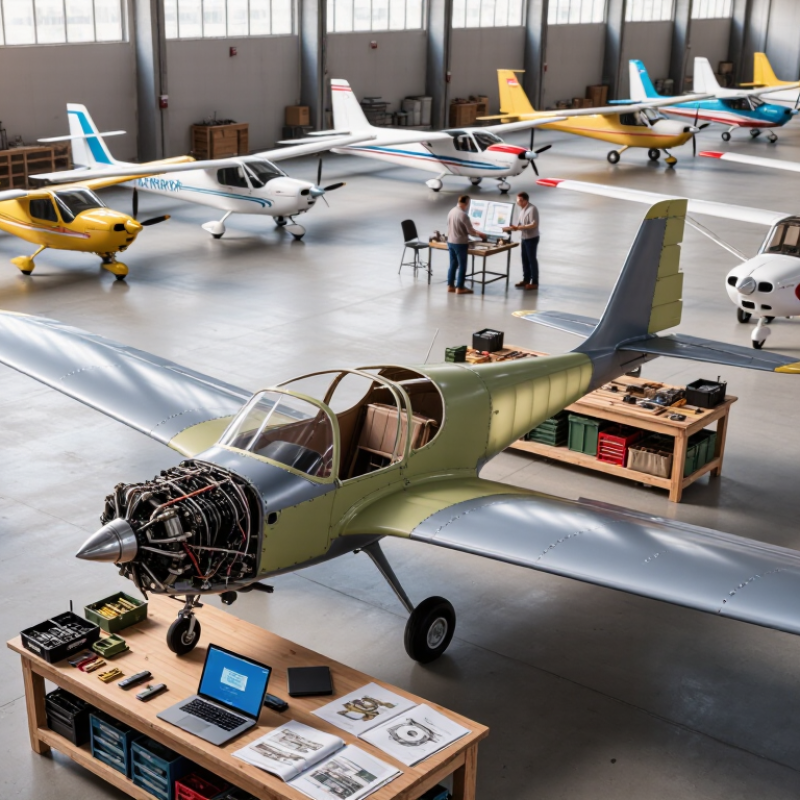
What Defines an Experimental Aircraft Kit from China?
An experimental aircraft kit from China is defined by its design, contents, and intended assembly—not simply by its country of origin. “Experimental” usually describes an aircraft category or operating purpose, but definitions and approval pathways vary by location. A kit’s label alone does not establish that it is approved to fly.
Look closely at what arrives in the crates. A useful parts list should identify the airframe components, hardware, plans, and items the builder must source separately. Material specifications, revision-controlled drawings, and clear assembly instructions help reveal how the kit was engineered. Ask how parts are inspected and whether replacements can be traced to the same specifications. Details matter. A neatly cut panel is reassuring, but it cannot replace documented tolerances or reliable guidance.
Support matters too. Check whether technical questions receive specific answers, and whether updates to drawings reach builders consistently. Confirm the aircraft’s intended use and consult the relevant aviation authority before purchasing or beginning construction. Not just parts. The builder also needs time, tools, skills, and independent inspection. I would not assume that a complete-looking package means an easy build; that expectation can drift quickly once missing fittings or unclear steps appear. A careful assessment considers the paperwork and support as closely as the metal.
| Dimension | What It Means | What to Check | Why It Matters |
|---|---|---|---|
| Meaning of “experimental” | “Experimental” is a regulatory classification, not a description of where an aircraft or kit was made. The applicable definition depends on the country where the aircraft will be registered and operated. | Confirm the intended registration category and consult the relevant aviation authority before purchasing or beginning construction. | A kit’s country of origin alone does not determine its airworthiness category or permission to fly. |
| Amateur-built eligibility | In the United States, an amateur-built aircraft must have its major portion fabricated and assembled by amateur builders for education or recreation. The FAA evaluates kit eligibility against its major-portion requirements. | For a U.S. project, check the current FAA amateur-built kit evaluation information and keep records of who performs the fabrication and assembly tasks. | A highly completed kit may affect whether the project meets the amateur-built requirements. |
| Kit completeness | Kits can range from plans and basic materials to packages containing pre-cut parts, formed components, or more extensive subassemblies. Contents differ by design and supplier. | Request a detailed bill of materials, identify excluded items, and verify which parts require owner fabrication, finishing, or sourcing. | Completeness affects build time, added cost, tooling needs, and—where applicable—eligibility for a particular certification category. |
| Construction material | Aircraft designs may use metal, wood, composite materials, or combinations of materials. No one material is inherently best for every mission or builder. | Review material specifications, approved repair methods, required tools, storage conditions, and the availability of qualified technical guidance. | Material choice influences building skills, inspection methods, maintenance, and repair planning. |
| Design and mission fit | A kit should be assessed against its documented design purpose, such as recreational flying, training, or cross-country use. Payload, range, and speed are design-specific. | Use the current aircraft flight manual or design documentation. Check weight and balance data, operating limitations, and performance assumptions. | Published figures are meaningful only when their conditions and configuration match the completed aircraft and its intended use. |
| Engineering documentation | A buildable kit needs clear, revision-controlled drawings and instructions, along with traceable specifications for structural and flight-critical parts. | Check drawing revisions, parts identification, inspection points, required fasteners, and how technical changes are communicated. | Incomplete or inconsistent documentation can create construction errors and make inspection more difficult. |
| Quality and traceability | Manufacturing origin does not by itself establish quality. The buyer needs evidence that supplied parts match the design and can be identified and inspected. | Request material and component records where applicable, inspect delivered parts, and clarify procedures for damaged, missing, or nonconforming items. | Traceability supports safe assembly, maintenance, and investigation of defects. |
| Shipping and import | Cross-border delivery can involve freight, customs paperwork, taxes, export controls, and restrictions on particular materials or components. | Confirm the shipping terms, packing method, customs classification, replacement-part process, and responsibilities for import charges before ordering. | Unexpected freight or import requirements can affect project cost and delivery time. |
| Builder support | Support may include technical answers, build guidance, replacement parts, and help interpreting design revisions. Availability and response times vary. | Ask how support is delivered, what languages are available, how long parts remain available, and whether assistance continues after delivery. | Reliable support is especially valuable when the builder encounters an unfamiliar construction or inspection issue. |
| How to identify the “best” option | There is no universally best kit from any country. The strongest choice is the one that fits the builder’s experience, budget, mission, regulatory pathway, and support needs. | Compare documented compliance, kit contents, construction complexity, evidence of quality, total landed cost, and support—rather than relying on origin alone. | A structured comparison helps distinguish a suitable project from a kit that is attractive on price but difficult to complete or certify. |
Related Posts
-

Top Experimental Aircraft Kits for Global Buyers?
-

What Are the Best Experimental Aircraft Kits in 2026?
-

How to Choose an Experimental Aircraft?
-
Exploring the Future of Aviation: How Kit Aircraft are Redefining DIY Flight for Enthusiasts
-

Building Your Dreams: A Comprehensive Guide to DIY Kit Aircraft for Aviation Enthusiasts
-

Top Kit Aircraft for Enthusiasts and Builders in 2026?