What Are the Best Experimental Aircraft Kits in 2026?
Choosing among the best experimental aircraft kits in 2026 is not just a matter of speed or price. The right kit must fit a builder’s skills, workspace, budget, and intended flying. A polished brochure cannot show how a fuselage feels to handle or how much time a careful build will demand. Small details matter: tool access, clear instructions, parts support, and the room needed to store long wings.
The spirit of careful experimentation has deep roots in aviation. Orville Wright wrote, “If we all worked on the assumption that what is accepted as true is really true, there would be little hope of advance.” His words offer a useful lens for evaluating kit claims. Compare specifications, seek independent builder accounts, and ask how performance figures were obtained. Treat every estimate with care.
Some trade-offs are uncomfortable. A fast kit may demand more construction time; a simpler design may not match every mission. There is no universal winner. This guide examines experimental aircraft kits through practical criteria, including build complexity, materials, support, cabin comfort, and operating goals. It also distinguishes attractive promises from details worth verifying with manufacturers and experienced builders. Regulations and airworthiness requirements vary, so readers should confirm current guidance with the appropriate aviation authority before making plans. A careful shortlist is a start, not a verdict. Even the best comparison cannot decide what belongs in your workshop.
What Defines an Experimental Aircraft Kit in 2026?
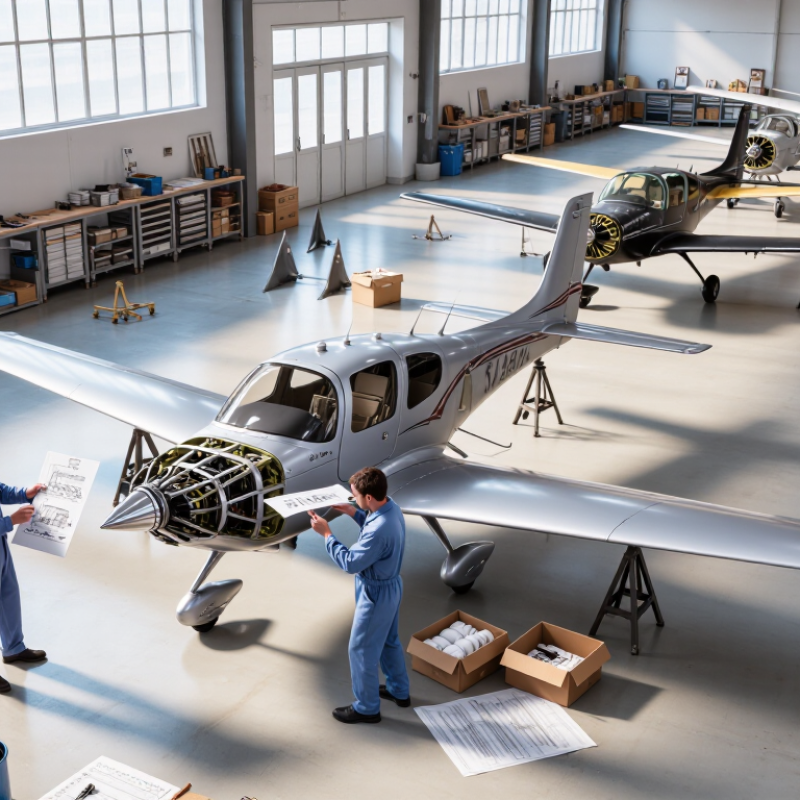
An experimental aircraft kit is more than a collection of shaped metal, wood, or composite parts. It is a documented path for a builder to assemble an aircraft, verify the work, and prepare it for evaluation under applicable aviation rules. In 2026, kits still differ widely in how much is prebuilt. One may arrive with major components finished; another may require careful measuring, drilling, bonding, and fabrication at a workbench.
Read the construction manual before comparing prices. Check whether the kit includes hardware, wiring diagrams, flight controls, and clear instructions for recording changes. Engine, instruments, and finishing materials may be separate purchases. Small omissions matter. A missing fastener specification or unclear wiring detail can cost hours and invite mistakes. Builder support and access to qualified technical advice are practical parts of the package, not just sales extras.
A sound kit also makes inspection and maintenance easier. Look for traceable materials, consistent part identification, and records that help explain what was installed and why. Requirements vary by location, so confirm them with the relevant aviation authority and qualified inspectors before building or flying. A polished manual is reassuring, but it is not proof that every step will feel straightforward. Some tasks may still require practice, patience, and a second set of eyes. That is worth admitting early.
How to Judge Kit Aircraft for Safety, Cost, and Performance
Choosing an experimental aircraft kit in 2026 means judging the finished aircraft, not just its catalog cruise speed. In its 2021 General Aviation Safety Fact Sheet, the FAA recorded 1,049 U.S. general-aviation accidents. Of those, 349 were fatal; the overall accident rate was 0.87 per 100,000 flight hours. These figures cover all general aviation, not kit aircraft alone. That distinction matters. Use them as context, not a kit-specific risk forecast.
Review the construction sequence, control-system inspection points, and access to filters, hinges, and fasteners. Ask an experienced, independent mechanic to inspect the work before covering and before first flight. Training and a careful test-flight plan belong in the budget. Kit price is only the opening number. Add the engine, propeller, avionics, tools, freight, paint, and build hours. Get written estimates; spreadsheet totals have a habit of aging badly. Builders may underestimate their own time.
Compare cruise speed alongside useful load, stall behavior, takeoff distance, fuel burn, and range. Use figures from the same configuration and conditions; a light demonstrator is not your travel load. Check climb margins on hot days, with baggage aboard. Performance is seductive. Safety and cost details are easier to overlook, and that is where the decision can get uncomfortable.
How to Judge Experimental Aircraft Kits in 2026
FAA Phase I flight-test duration benchmarks for amateur-built aircraft
FAA operating limitations generally require 40 hours of Phase I flight testing, or 25 hours when the aircraft meets the applicable engine-and-propeller combination conditions. These are regulatory planning benchmarks—not safety ratings or kit rankings. Compare each kit’s documented build budget, payload, cruise performance, and required operating limitations before choosing.
Source: FAA Order 8130.2J
Top Experimental Aircraft Kits by Design and Intended Mission
Choosing an experimental aircraft kit in 2026 starts with the mission, not the paint scheme. For cross-country travel, compare cruise efficiency, useful load, fuel capacity, and cockpit comfort. A narrow cabin may feel fine during a short ground inspection, then become tiring after several hours. Fit is personal.
Short-field flying favors designs with forgiving low-speed handling, good visibility, and manageable takeoff and landing distances. These figures depend on weight, weather, runway surface, and pilot technique, so published numbers are only a starting point. Aerobatic-oriented kits demand a different review: examine structural limits, control feel, and the required pilot training. No single airframe excels at every task.
Builder experience matters as much as aircraft design. Study the plans, parts inventory, construction sequence, and availability of technical support before committing. Ask builders about real assembly hours and recurring fit issues; estimates can be optimistic. That matters. Also consider engine choices, maintenance access, storage, and the tools your workshop actually has. Have qualified professionals review critical work, and confirm applicable airworthiness and operating requirements with the relevant aviation authority. A kit that suits your mission on paper may still be a poor match for your skills, budget, or local flying conditions.
How to Compare Kits and Choose the Right Build
Choosing an experimental aircraft kit starts with the kind of flying you actually plan to do. A two-seat touring aircraft has different demands from a light sport build used for short local trips. Compare useful load, fuel capacity, cruise speed, and runway needs against your typical passengers, baggage, and home airfield. Numbers on a specification sheet can look reassuring; check how they apply to your intended configuration.
Build time is only one part of the comparison. Look at the required tools, workshop space, construction materials, and how clearly the plans explain each step. Ask current builders about fit, parts availability, and technical support. If possible, inspect an unfinished project: a crowded workbench and a half-fitted panel can reveal practical demands that polished photos miss. Small details matter. I would still treat estimates of cost and build hours cautiously; they depend heavily on experience and can be optimistic.
Before choosing, review the kit’s documentation and identify who can answer technical questions during construction. Consider whether you can store the aircraft safely and arrange qualified inspections at relevant stages. Confirm current requirements with the appropriate aviation authority in your area. A kit that is affordable but poorly matched to your skills or schedule may become a long, frustrating project. That is worth admitting.