Choosing among experimental aircraft kits is not simply a matter of comparing prices, engine options, or polished showroom photographs. Global buyers must examine build time, technical documentation, supplier support, shipping conditions, and local registration requirements. A kit that suits an experienced builder in the United States may overwhelm a first-time owner elsewhere. Regulations differ widely.
This guide reviews top experimental aircraft kits through practical ownership questions. How clearly are the plans written? Are replacement parts available across borders? Can the manufacturer answer detailed construction questions? Builders should also consider workshop space, tooling, corrosion protection, avionics integration, and access to qualified inspections. Small details matter. A poorly packed component can delay a project for weeks.
The discussion draws on manufacturer information, builder experience, and established aviation safety practices. However, no ranking can fit every buyer. That limitation deserves attention. Marketing claims may sound convincing, yet real support often becomes visible only after an unexpected problem. Buyers should verify current requirements with their national aviation authority, approved inspectors, and the kit manufacturer before making commitments. This article does not replace professional advice or official approval.
Reliable experimental aircraft kits usually combine transparent specifications, responsive technical support, traceable components, and well-documented assembly procedures. They should also match the builder’s skills, budget, climate, and intended mission. A weekend touring aircraft has different priorities from a lightweight training platform. Careful comparison can reduce costly surprises, but it cannot remove every risk. Build patiently. Check everything. Safety remains more important than speed.
Experimental Aircraft Kits: Definition, Purpose, and Main Categories
Experimental aircraft kits are construction packages for aircraft assembled outside conventional factory production. The buyer usually completes much of the structure, wiring, controls, and interior. The finished aircraft may receive a special airworthiness certificate, depending on national aviation rules. The exact definition varies worldwide. That distinction matters.
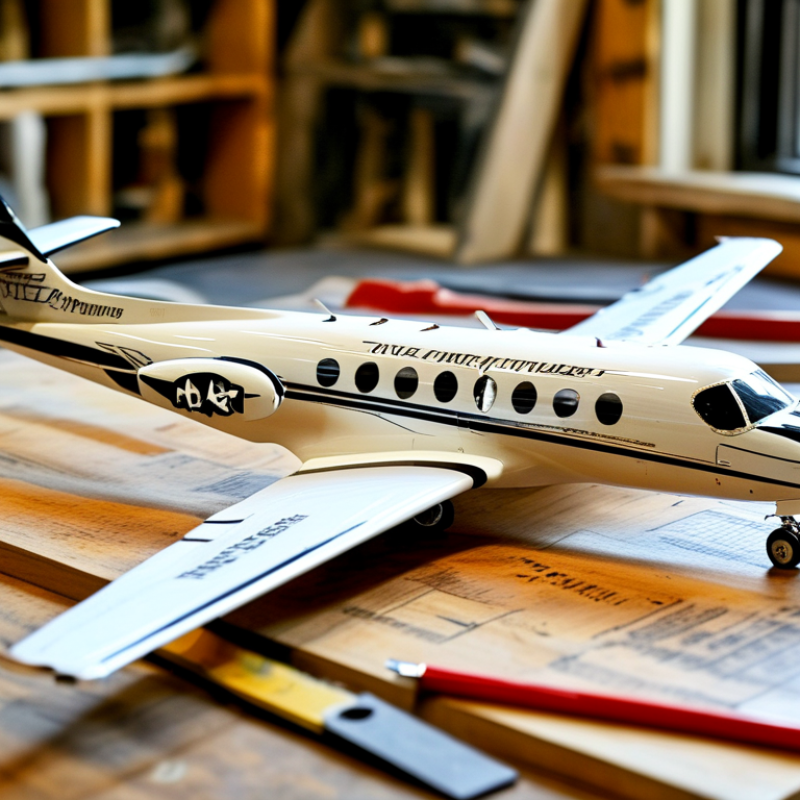
Their main purpose is flexibility. Builders can choose a useful cabin layout, efficient engine installation, or short-field configuration. A typical workshop may contain clecos, torque wrenches, wiring labels, and carefully logged measurements. These details are not glamorous. They protect the aircraft and its occupants. Buyers should study local registration, inspection, pilot qualification, maintenance, and operating requirements before ordering. Paperwork matters.
Kit categories differ by construction method and intended use. Plans-built aircraft require the most fabrication and usually demand strong metalworking or woodworking skills. Quick-build kits reduce labor but still require accurate assembly and documented inspections. Composite kits use molded structures, while tube-and-fabric designs offer different repair and maintenance considerations. Some models emphasize touring comfort, others prioritize aerobatic strength or short-runway performance. Trade-offs remain unavoidable. A lighter aircraft may carry less equipment. A faster aircraft may demand greater pilot discipline.
Reliable decisions come from reviewing build manuals, supplier support, independent technical inspections, and realistic completion times. A glossy specification sheet cannot reveal every difficulty. Builders often underestimate wiring, finishing, and repeated quality checks. That is where plans can fail. Careful records, qualified advice, and honest self-assessment matter more than enthusiasm alone.
Experimental aircraft kits are partially completed aircraft packages assembled by builders for recreation, personal transportation, training, aerobatics, or utility operations. The chart compares representative seating capacity and typical cruise-speed ranges across major kit categories.
Values represent common performance bands for experimental aircraft designs rather than any specific manufacturer or brand. Actual specifications vary according to configuration, engine, materials, loading, and builder modifications.
For global buyers, design clarity matters as much as performance. A practical kit should offer accurate drawings, numbered parts, and pre-drilled attachment points. Experienced builders also examine the cockpit width, landing gear layout, and access to inspection areas. A narrow fuselage may reduce drag, but it can make maintenance uncomfortable. That trade-off deserves honest attention.
Construction methods strongly influence time, cost, and repairability. Welded steel frames provide visible strength and familiar repair techniques. Aluminum assemblies remain light when builders follow correct riveting and corrosion-control procedures. Composite structures can create smooth aerodynamic surfaces, but poor mixing or trapped air may weaken a panel. Small details matter. A clean workbench helps. So does a calibrated torque wrench. Manuals sometimes appear simple until a control linkage needs adjustment, so builders should expect questions and document every modification.
Tips: Compare the kit’s material list with local suppliers before ordering. Check whether replacement hardware, technical support, and approved inspection services are available in your region. Keep dated photographs of hidden joints, wiring routes, and structural bonding. Ask an experienced aircraft inspector to review critical stages. Never treat online advice as a substitute for local aviation rules, factory instructions, or professional inspection. A rushed build can look finished while remaining difficult to trust.
Global buyers need more than an attractive airframe design. The strongest experimental aircraft kits offer clear build manuals, consistent component specifications, and accessible technical support. A well-organized kit should identify every part, fastener, and inspection point. That detail matters when the shipment crosses several borders.
Kit options differ in construction materials, completion stages, cockpit systems, and engine compatibility.
Composite kits may provide smooth aerodynamic surfaces, but repairs require careful temperature control and material handling. Metal kits can be easier to inspect visually, although drilling and corrosion protection demand patience. Builders should compare local maintenance skills, workshop space, shipping conditions, and replacement-part availability before purchasing. Short flights between nearby facilities can reveal practical issues.
Regulatory planning is essential.
Buyers should confirm registration rules, amateur-built percentages, import documents, noise limits, and required inspections with their national aviation authority. Independent engineering advice can expose problems that sales literature misses. Ask for a complete packing list and realistic delivery schedule. Delays happen.
A reliable supplier should explain builder training, technical revisions, warranty limits, and post-delivery support without vague promises. I have found that polished instructions do not always equal easy construction. Some steps still require interpretation, and that can frustrate first-time builders. A local inspector or experienced mentor can review critical assemblies before closure. Small mistakes become expensive later.
Keep a written build log, photograph hidden structures, and record every component number. That record supports future inspections and safer ownership.
Engine, Avionics, Safety, and Performance Considerations
Choosing an experimental aircraft kit begins with the engine, not the paint or cabin layout. A reliable powerplant should match the airframe’s weight, cooling design, and intended operating conditions. Buyers should review service records, installation guidance, and local maintenance support before making a payment. I have learned that an attractive engine package can become expensive when replacement parts require international shipping. That matters.
Avionics deserve equal attention. Clear wiring diagrams, compatible sensors, and accessible circuit protection reduce troubleshooting time. Satellite navigation, communication radios, engine monitoring, and emergency equipment should work as one tested system. A neat instrument panel is useful, but dependable data matters more. Safety depends on structure, restraint systems, fire protection, stall behavior, and documented inspections. Independent checks by qualified aviation professionals can reveal mistakes that builders overlook. I once underestimated the importance of cockpit visibility during approach. It changed how I evaluate a kit.
Performance figures require careful reading. Published cruise speed may reflect ideal weight, weather, and pilot technique. Real-world range can shrink with headwinds, reserve fuel, or heavy baggage. Global buyers should confirm registration pathways, operating limitations, training expectations, and approved inspection procedures in their jurisdiction. Requirements differ widely. A kit with excellent performance may still be a poor choice if local support is limited. Builders should keep detailed construction records, photograph hidden work, and update the aircraft’s maintenance documentation after every major change. Mistakes happen. Honest records make them easier to find.
Buying an experimental aircraft kit across borders is not simply a price comparison. The legal category differs by country, and acceptance is never automatic. In the United States, builders usually prepare detailed construction records for an airworthiness inspection. European authorities may require national approval, additional conformity evidence, or a different permit pathway. Australia and other regions can apply separate build-percentage and flight-test requirements. Rules change quickly. Confirm them in writing with the aviation authority before paying a deposit.
Shipping creates another layer of risk. Crated components may need export documents, customs classification, insurance, and import taxes. Wooden packaging can require treatment certificates. A missing invoice or unclear part description may delay release for weeks. Freight damage is also difficult to prove after delivery, so photograph every crate before opening it. This is practical advice, not a guarantee.
Ownership costs extend well beyond the kit. Budget for inspection fees, registration, technical translations, specialized tools, engine reserves, avionics updates, hangar rent, insurance, and recurrent maintenance. Regional labor rates can change the final budget dramatically. Some insurers may decline unfinished or newly completed aircraft. Training and test flying may require an approved instructor or defined operating area. Experienced builders often underestimate paperwork and storage. I would also reserve at least 15 percent for surprises, although that margin may still prove too small.
Practical comparison for commonly purchased two-seat and light four-seat experimental kit aircraft. Costs are indicative planning ranges in USD and exclude the purchase of land, hangar construction, financing, and major avionics upgrades.
| Region | Common Kit Profile | Regulatory and Certification Path | Typical Build and Approval Time | Crated Shipping Estimate | Indicative Completed-Aircraft Cost | Estimated Annual Ownership Cost | Planning Complexity |
|---|---|---|---|---|---|---|---|
| United States | Two-seat sport aircraft, high-performance touring aircraft, and light four-seat designs. | Usually registered as Experimental-Amateur-Built. The builder must complete the required major portion of the aircraft; the finished aircraft receives an experimental airworthiness certificate after inspection. Operating limitations normally apply, including an initial flight-test period. |
Build: 18–48 months for a first-time builder. Approval: approximately 2–8 weeks after a complete application and inspection, subject to local workload. |
US domestic: $2,000–$8,000 International export: $6,000–$15,000 |
$90,000–$250,000, including engine, propeller, avionics, paint, and basic finishing. | $8,000–$22,000 per year, including inspections, insurance, hangar or tie-down, fuel, and routine maintenance. | Low–Medium |
| Canada | Two-seat recreational aircraft and cross-country touring aircraft assembled by the owner or builder group. | Normally placed in the amateur-built category when the aircraft is constructed for education or recreation. Registration, inspection, flight authority, builder records, and operating limitations are required. Imported kits may require additional documentation proving configuration and build history. |
Build: 20–50 months. Approval: commonly 1–4 months after submission, depending on documentation, inspection availability, and aircraft location. |
From the US: $3,000–$10,000 From Europe or Asia: $8,000–$18,000 |
$100,000–$270,000, with winterization, instrument upgrades, and corrosion protection often increasing the budget. | $10,000–$28,000 per year, mainly affected by insurance, hangar costs, winter operations, and fuel prices. | Medium |
| United Kingdom | Light two-seat touring aircraft and aircraft operated under a national permit-to-fly framework. | A nationally administered permit-to-fly route is commonly used for amateur-built aircraft. The project normally requires approved design data or an accepted design basis, build records, inspection, flight testing, maintenance records, and operating limitations. Passenger and commercial-use restrictions may apply. |
Build: 24–60 months. Approval: approximately 2–6 months, depending on design acceptance, inspection scheduling, and evidence of conformity. |
From North America: $7,000–$16,000 From mainland Europe: $2,500–$8,000 |
$110,000–$290,000, with VAT, customs treatment, local modifications, and mandatory equipment affecting the final figure. | $12,000–$32,000 per year, including permit renewals or inspections, insurance, hangarage, maintenance, and fuel. | Medium–High |
| European Union and EEA | Two-seat recreational aircraft, touring aircraft, and locally approved light-sport configurations. | Certification is generally handled under the applicable national permit-to-fly, amateur-built, or nationally approved-aircraft framework. Rules are not fully uniform across Europe. A buyer should confirm design acceptance, builder participation requirements, maintenance authority, registration eligibility, and cross-border operating permissions before ordering. |
Build: 24–60 months. Approval: commonly 2–9 months, especially where a design has limited local approval history. |
Within Europe: $2,500–$9,000 From North America: $7,000–$17,000 |
$115,000–$310,000, including transport, taxes, compliant equipment, local engineering work, and registration-related costs. | $13,000–$35,000 per year, with substantial variation in hangar charges, insurance, maintenance rules, and fuel taxes. | High |
| Australia and New Zealand | Two-seat recreational aircraft and touring aircraft adapted for long distances and remote-area operations. | Amateur-built or experimental registration normally requires a nationally accepted build standard, approved inspection, registration, flight testing, operating limitations, and continuing-airworthiness records. Local rules may distinguish between recreational, amateur-built, and experimental categories. |
Build: 24–60 months. Approval: approximately 2–8 months, with longer timelines possible for imported kits or unusual configurations. |
From North America or Europe: $10,000–$22,000 Oversize or consolidated freight can cost more. |
$125,000–$330,000, reflecting freight, import charges, local compliance work, and remote-area equipment. | $14,000–$38,000 per year, including hangarage, insurance, inspections, fuel, and corrosion-control work. | High |
| Middle East and Asia-Pacific Import Markets | Imported two-seat touring aircraft and simple recreational aircraft with established documentation and support availability. | Approval is highly country-specific. The aircraft may require import authorization, type or design acceptance, local registration, conformity inspection, radio approval, customs clearance, and a restricted or special airworthiness certificate. Builder participation rules may differ significantly from North American practice. |
Build: 24–72 months. Approval and import: approximately 4–18 months, depending on the country, airport, documentation, and availability of qualified inspectors. |
From North America or Europe: $10,000–$30,000 Crating, port handling, inland transport, and customs brokerage may be additional. |
$140,000–$380,000, with local engineering, duties, taxes, mandatory equipment, and specialist maintenance often adding materially to the budget. | $18,000–$50,000 per year, largely driven by hangar scarcity, imported parts, insurance, fuel, and maintenance access. | High–Very High |