Choosing the 2026 best aircraft fuel injection systems requires more than comparing brands or advertised flow rates. Global buyers must examine engine compatibility, metering accuracy, altitude response, vibration resistance, maintenance access, certification status, and supplier support. A system that performs well in a warm coastal hangar may behave differently at high altitude, in freezing air, or after years of service.
Frank Whittle, the British jet-engine pioneer, said, “The jet engine is nothing more than a glorified gas turbine.” His observation remains useful because fuel delivery affects every stage of combustion, from startup to full-power operation. The right fuel injection system aircraft solution should deliver a stable mixture, predictable throttle response, and clean fuel atomization under changing conditions. Small details matter. Injector seals, fuel lines, filters, and control units can decide whether an aircraft performs smoothly or suffers costly downtime.
This guide compares leading systems for commercial, general aviation, agricultural, and specialized aircraft applications. It considers real operating evidence, technical documentation, installation complexity, lifecycle cost, and after-sales service. No ranking is perfect. Data may vary between engine models, climates, and maintenance practices. Buyers should verify approvals, service bulletins, warranty terms, and local support before ordering. A lower purchase price can look attractive, but unavailable replacement parts may ground an aircraft for weeks. The best choice is therefore not always the newest system. It is the system that remains accurate, supportable, and dependable in the buyer’s actual operating environment.
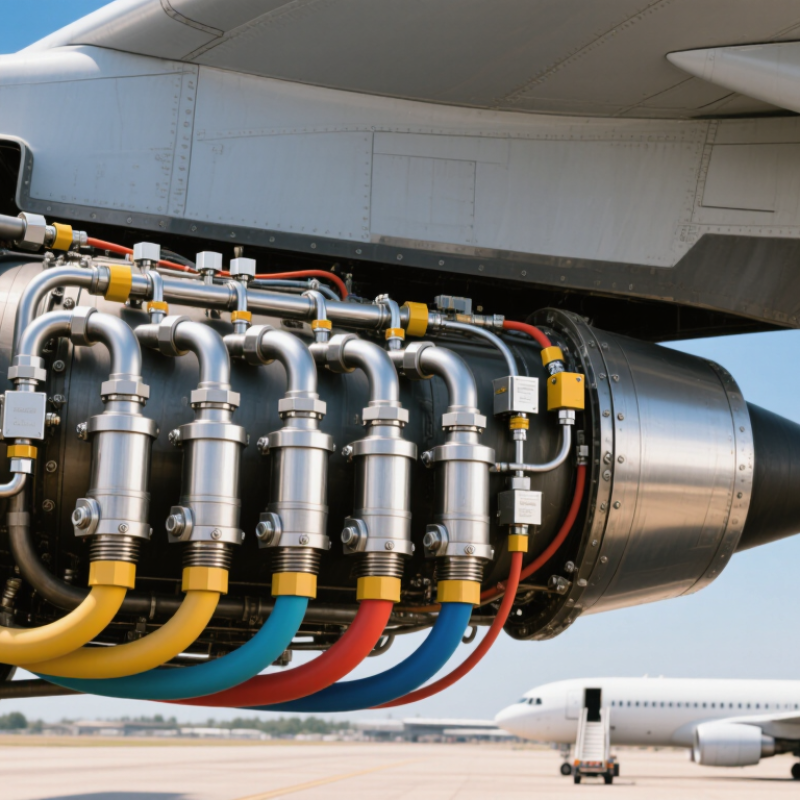
An aircraft fuel injection system delivers precisely measured fuel to the engine’s combustion chambers. Its purpose is simple: support reliable ignition, controlled power, and efficient combustion during changing flight conditions. The FAA Aviation Maintenance Technician Handbook—Powerplant explains that injection systems regulate fuel flow according to engine speed, air pressure, and operating demand.
Core functions include fuel metering, pressure regulation, distribution, atomization, and mixture control. During a cold start, the system must provide enough fuel without flooding the engine. At high altitude, it must compensate for thinner air and reduced intake pressure. Small errors matter. A partially blocked nozzle can create uneven combustion, vibration, higher exhaust temperatures, or gradual power loss.
The ICAO Environmental Report 2022 states that aviation produced about 2% of global human-induced carbon dioxide emissions before the pandemic. This figure makes accurate fuel delivery more than a maintenance preference. It supports lower fuel waste and more predictable engine performance.
In practical inspections, technicians examine filters, nozzles, seals, pumps, and control units for contamination or leakage. A clean component is not automatically a healthy system. Calibration drift can remain invisible during a brief ground test. That is where selection becomes difficult for global buyers. Regional climate, fuel quality, maintenance skills, certification requirements, and spare-part access all influence system reliability. Specifications alone can mislead.
Aircraft fuel injection systems differ by engine design, operating altitude, and maintenance environment. In piston aircraft, continuous-flow injection remains widely valued for even fuel delivery. Fuel enters each cylinder through calibrated nozzles, reducing mixture imbalance. Throttle-body injection uses one central metering unit. It is simpler, but intake distribution can vary between cylinders.
Mechanical fuel injection systems rely on engine-driven pumps, control units, and pressure regulators. They can remain dependable without complex electrical networks. However, technicians must inspect diaphragms, filters, seals, and nozzle patterns carefully. Electronic fuel injection adds sensors and digital control. It can improve starting, fuel metering, and altitude compensation. Battery condition becomes more important. That trade-off deserves attention.
Direct cylinder injection places fuel close to the combustion chamber. It may improve response and reduce intake fuel losses, yet design complexity and certification demands remain significant. Turbine engines use different arrangements, including hydromechanical metering, electronic control, and dual-manifold injection. Some systems schedule fuel in stages, supporting stable combustion during start, climb, and cruise. In field evaluations, I would compare response time, redundancy, inspection access, and approved service procedures. Local temperature, fuel quality, and technician training also matter. A system that performs well in a cool test facility may behave differently after a dusty, high-altitude turnaround. No selection is perfect. Even accurate specifications cannot replace maintenance records and practical support.
2026 Best Aircraft Fuel Injection Systems for Global Buyers?
Modern aircraft fuel injection systems must deliver stable engine performance across changing climates and altitudes. Global operators need accurate fuel metering during takeoff, cruise, and sudden power adjustments. Efficient atomization supports cleaner combustion and helps reduce uneven cylinder temperatures. Altitude compensation is essential when air density changes rapidly.
Safety begins with dependable filtration, corrosion-resistant materials, and carefully controlled fuel pressure. A blocked filter can create serious performance concerns. Redundant monitoring should identify pressure drops, leaks, abnormal flow, and injector imbalance before they become emergencies. Field inspections often reveal that vibration, dust, and moisture cause more trouble than laboratory testing suggests. Real-world wear is less tidy than test data. That assumption deserves review.
Tips: Check compatibility with the aircraft engine, fuel specification, control system, and approved maintenance procedures. Confirm that replacement parts have traceable documentation and current airworthiness support. Review inspection intervals for hot, humid, cold, and remote operating environments. Keep clear maintenance records, including injector cleaning, pressure tests, and fault reports. Train technicians to recognize small changes, such as rough starts, rising fuel flow, or unusual exhaust temperature. A system may perform well on paper but fail operational expectations without disciplined installation and monitoring.
2026 Best Aircraft Fuel Injection Systems for Global Buyers?
How to Compare Fuel Injection Systems for Different Aircraft
A useful comparison starts with the aircraft, not the injector. Piston engines may require precise mixture control during cold starts, climbs, and rapid throttle changes. Turbine engines demand different flow characteristics, pressure ranges, and atomization patterns. Check the engine model, fuel type, operating altitude, and approved installation data before comparing prices.
Look closely at metering accuracy across the full power range. A system that performs well at sea level may respond differently above 10,000 feet. Review fuel pressure stability, temperature tolerance, vibration resistance, and electrical load. Examine the injector layout too. Poor access can turn a simple inspection into several hours of labor. Small details matter.
Certification records and maintenance instructions carry more weight than attractive specifications. Ask for test limits, service intervals, replacement procedures, and technical support for your region. Confirm compatibility with the aircraft’s control unit, pumps, sensors, and fuel lines. Field technicians often notice problems that laboratory figures miss. A connector may fit, yet fail after repeated heat cycles.
Do not assume the newest system is the best choice. Real operating conditions can expose weaknesses. Your comparison should include lifecycle cost, spare-part availability, training needs, and documented reliability. Independent inspection remains valuable, especially when supplier claims seem unusually confident. Mistakes happen. A careful buyer leaves room to question the first answer.
A practical comparison of fuel-metering architectures by aircraft category, fuel type, operating environment, control method, maintenance profile, and certification considerations.
| Aircraft Category | Most Suitable Fuel Injection Architecture | Typical Approved Fuel | Fuel-Metering Method | Altitude and Power Compensation | Electrical Dependence | Main Advantages | Main Limitations | Maintenance Profile | Global Buyer Suitability |
|---|---|---|---|---|---|---|---|---|---|
| Light piston trainer and touring aircraft | Continuous-flow mechanical fuel injection or approved electronic port fuel injection | Approved aviation gasoline, including 100LL or approved unleaded aviation gasoline where compatible with the engine and airframe | Mechanical injector nozzles meter fuel continuously; electronic systems use an engine control unit to command injector duration | Mechanical systems generally require mixture control or approved automatic compensation; electronic systems can provide automatic compensation when correctly calibrated | Mechanical systems have low electrical dependence; electronic systems require reliable power, wiring, sensors, and usually a backup strategy | Improved fuel distribution compared with a carburetor, easier hot starting, reduced carburetor-icing exposure, and good part-load control | Electronic installations add sensors, software, wiring, and approval requirements; mechanical systems may require more pilot workload | Inspect injector nozzles, fuel lines, filters, seals, and metering components; electronic systems also require fault-code and sensor checks | High for training and general aviation when local fuel availability and engine approval are confirmed |
| High-performance piston aircraft | Continuous-flow mechanical injection or dual-channel electronic fuel injection approved for the specific engine | Engine-approved aviation gasoline; fuel compatibility must be verified for seals, pumps, injectors, and detonation limits | Mechanical fuel servo or electronic control unit meters fuel in response to airflow, throttle position, engine speed, and pressure signals | Automatic electronic compensation can improve mixture consistency over altitude changes; mechanical systems normally retain pilot or automatic mixture-control requirements | Electronic systems require dependable primary and backup electrical power; mechanical systems can continue metering without a powered control unit | Accurate mixture control, improved starting, smoother cylinder-to-cylinder fuel distribution, and potential efficiency gains when installation is properly approved | Higher system integration complexity and greater sensitivity to incorrect calibration, contaminated fuel, or sensor faults | Requires disciplined fuel filtration, injector cleaning, electrical inspection, and scheduled component replacement according to the approved maintenance data | High for performance and touring operations, particularly where qualified maintenance support is available |
| Agricultural, utility, and special-mission piston aircraft | Rugged mechanical continuous-flow injection or a protected electronic system with environmental qualification | Only fuel types listed in the engine and airframe approval data; contamination and water-control procedures are especially important | Mechanical or electronic metering matched to rapid throttle changes and variable operating loads | Automatic compensation is valuable for repeated altitude, temperature, and load changes; system response must be validated for mission-specific operation | Mechanical architecture reduces dependence on aircraft electrical systems; electronic architecture needs redundancy and environmental protection | Reliable response during frequent power changes, good fuel atomization, and reduced carburetor-related icing risk | Dust, water, vibration, chemical exposure, and rough-field operations can accelerate wear or connector and filter problems | Use frequent inspections of filters, injector nozzles, pumps, fittings, wiring, and protective housings; contamination control is critical | Medium to high, depending on field support, fuel quality, and availability of approved replacement parts |
| Turboprop utility aircraft | Hydromechanical fuel control with electronic supervisory control or full-authority digital engine control on newer installations | Jet A, Jet A-1, or another approved turbine fuel specification defined by the engine and operating authority | An engine-driven pump supplies fuel to a metering valve; control inputs are scheduled using pressure, speed, temperature, and power signals | Automatic scheduling normally accounts for compressor inlet temperature, gas-generator speed, power demand, and acceleration limits | Hydromechanical systems can retain a mechanical control path; electronic supervisory or full-authority systems require protected and, where applicable, redundant electrical power | Strong transient response, protection against over-fueling, controlled acceleration, and suitability for variable loads and short-field operations | More expensive components, specialized test equipment, and model-specific adjustment procedures | Requires scheduled fuel-control checks, filter and pump inspections, rigging verification, and calibrated maintenance equipment | High for remote and mixed-climate operations when regional overhaul and parts support are available |
| Regional turboprop and commuter aircraft | Redundant electronic engine control or FADEC-type fuel-metering system integrated with the aircraft systems | Approved turbine fuel such as Jet A or Jet A-1, subject to the aircraft flight manual and fuel-system limitations | Digital control commands fuel-flow actuators using multiple engine and aircraft parameters, with built-in monitoring and fault logic | Automatic compensation is normally provided for altitude, temperature, engine speed, power setting, and acceleration or deceleration limits | High electrical dependence; essential control channels and aircraft power sources must meet the applicable airworthiness requirements | Consistent engine handling, reduced pilot workload, automatic limiting, engine trend monitoring, and improved operational repeatability | Software configuration, data integrity, sensor redundancy, and specialized troubleshooting are important purchasing considerations | Maintenance depends on approved diagnostic equipment, software control, line-replaceable units, and documented configuration management | Very high for commercial operations with established technical support and controlled maintenance programs |
| Turbine helicopters | Hydromechanical fuel control, electronic engine control, or dual-channel FADEC-type control approved for the specific turboshaft engine | Approved turbine fuel, commonly Jet A or Jet A-1, with compliance to the engine manufacturer's fuel-quality limits | Fuel flow is scheduled against power demand, gas-generator speed, rotor speed, temperature, and acceleration limits | Automatic governing and temperature-limiting functions are particularly important during rapid collective changes and hover operations | Varies by architecture; electronic systems require reliable aircraft power and fault-tolerant control channels | Fast response to power changes, rotor-speed protection, reduced pilot workload, and improved control during demanding vertical-flight operations | High integration complexity; improper rigging, sensor faults, or fuel contamination can affect engine response and dispatch reliability | Requires strict inspection of fuel controls, pumps, nozzles, filters, wiring, connectors, and engine-control data | High for professional helicopter fleets when local engine-control expertise is available |
| Business jet and airliner turbofan aircraft | Redundant full-authority digital engine control with electronically commanded fuel metering | Approved turbine fuel meeting the aircraft and engine fuel specification, commonly Jet A or Jet A-1 in international service | Digital control channels command fuel-metering units based on thrust demand, fan and core speed, pressure ratios, temperatures, and engine protection limits | Automatic compensation is comprehensive and normally includes altitude, ambient temperature, engine acceleration, overspeed, overtemperature, and thrust-management functions | Very high; independent control channels, power-supply architecture, data buses, and fail-operational or fail-safe behavior are certification considerations | Precise thrust control, automatic engine protection, reduced crew workload, integrated health monitoring, and repeatable performance | Highest acquisition and support complexity; software, configuration control, specialist tooling, and approved repair capability are essential | Line maintenance uses built-in test data and trend monitoring; shop maintenance requires approved component and software-control processes | Very high for scheduled commercial and corporate fleets with mature technical infrastructure |
| Heavy or long-endurance unmanned aircraft | Engine-specific mechanical injection, electronically controlled piston injection, or turbine fuel control selected according to the propulsion unit | Approved aviation gasoline for piston engines or approved turbine fuel for turbine engines | May use mechanical metering for simplicity or electronic control for automatic mission-based power management | Automatic compensation is valuable for long-duration altitude changes, temperature variation, and remote operation | Must be assessed against battery endurance, generator capacity, redundant power, datalink loss, and autonomous recovery requirements | Low operator workload, data logging, remote fault reporting, and consistent engine operation during extended missions | Payload, vibration, thermal management, cybersecurity, and loss-of-communications behavior must be addressed during system integration | Remote diagnostics should be supported by clear maintenance limits, replaceable modules, contamination control, and secure software configuration | Medium to high, depending on certification basis, mission duration, autonomy level, and local support capability |
| Evaluation Dimension | What to Compare | Preferred Result for Most Buyers | Verification Method |
|---|---|---|---|
| Aircraft and engine approval | Compatibility with the exact engine model, airframe configuration, operating limitations, and approved installation data | A complete approved installation with traceable technical documentation | Review the type-certificate data, supplemental approval, installation instructions, and aircraft maintenance documents |
| Fuel availability | Local and international availability of approved avgas or turbine fuel, including seasonal and remote-location supply | A system compatible with the fuel grades reliably available in the intended operating regions | Compare airport supply, fuel-quality procedures, storage conditions, and operating-area requirements |
| Contamination tolerance | Filter arrangement, water separation, injector sensitivity, fuel-pump protection, and inspection intervals | Effective filtration and straightforward contamination detection without exceeding approved pressure losses | Review fuel-system diagrams, filter ratings, drain procedures, and maintenance limits |
| Control redundancy | Mechanical backup, dual electronic channels, independent sensors, power-source separation, and fault response | Control behavior remains predictable after a single defined failure | Examine the safety assessment, failure-mode analysis, emergency procedures, and dispatch requirements |
| Environmental durability | Resistance to vibration, temperature extremes, humidity, dust, salt exposure, and electromagnetic interference | Environmental qualification appropriate to the aircraft category and mission location | Check qualification reports, connector specifications, enclosure ratings, and installation restrictions |
| Maintenance and parts support | Inspection intervals, overhaul capability, diagnostic tools, software support, lead times, and approved replacement parts | Predictable lifecycle support in the countries where the aircraft will operate | Request a support plan, parts lead-time data, maintenance instructions, and technician-training requirements |
| Lifecycle cost | Purchase price, installation labor, fuel consumption, scheduled maintenance, unscheduled removals, and downtime | Lowest total operating cost that still meets the aircraft's safety and mission requirements | Compare whole-life cost over the planned operating hours rather than comparing component price alone |
General selection rule: Mechanical injection is often favored for simplicity and low electrical dependence in piston aircraft, while electronically controlled or FADEC-type systems are generally favored when automatic compensation, engine protection, data monitoring, and reduced pilot workload justify the added integration and maintenance requirements.
Choosing an aircraft fuel injection system requires more than flow-rate comparisons. Installation must follow approved data, correct torque values, fuel-line routing, and electrical bonding requirements. Technicians should record ambient temperature, fuel pressure, and leak-test results at the aircraft. Small errors can cause uneven combustion or difficult hot starts. They happen.
The 2024 Global Fleet and MRO Market Forecast projects commercial aircraft maintenance spending to exceed 136 billion dollars annually by 2034. That forecast reinforces one practical point: maintainability affects total ownership cost. Buyers should examine injector cleaning intervals, seal availability, calibration equipment, and technician training. The FAA’s AC 43.13-1B also emphasizes approved practices for fittings, hoses, wiring, and inspection. However, this advisory material cannot replace the aircraft’s approved maintenance data.
Certification needs careful regional planning. A system may require technical-standard approval, supplemental approval, or installation approval, depending on aircraft type and modification scope. European operators may also need conformity evidence under applicable continuing-airworthiness and maintenance rules. Traceable parts, controlled software revisions, and complete release documentation reduce delays at import and installation. The 2023 Civil Aviation Safety Review reported continued global pressure to strengthen safety oversight, but paperwork alone cannot prove field reliability. Buyers should request service histories, failure analysis, and environmental test evidence. Tropical humidity, desert dust, and remote logistics expose weaknesses that laboratory testing may miss. A single global configuration is convenient, yet not always wise.