2026 Best Fuel Injection Aircraft Types for Buyers?

Choosing among the best fuel injection aircraft in 2026 requires more than comparing purchase prices. Buyers should examine mission, engine design, operating costs, and maintenance support together. A modern fuel-injected piston aircraft can offer smoother mixture control, improved altitude performance, and more consistent starting. However, these benefits depend on pilot technique, engine condition, and proper servicing.

The General Aviation Manufacturers Association’s 2024 General Aviation Statistical Databook shows continuing demand for new piston aircraft, despite uneven economic conditions. Its shipment data also highlights an important reality: production volume does not automatically indicate the best ownership choice. The Federal Aviation Administration’s Aerospace Forecast, Fiscal Years 2025–2045, projects continued activity across the general aviation fleet, supporting long-term demand for capable, maintainable aircraft. Yet forecasts are not guarantees. Fuel prices, insurance premiums, technician availability, and financing terms can change quickly.

The details matter. A buyer comparing a Cirrus SR22, Diamond DA40, or Cessna 182 should inspect useful load, range with reserves, avionics age, engine time, and service history. A fuel-injected aircraft may reduce some operational compromises, but it can also require specialized troubleshooting and more disciplined maintenance. Look closely at hot-start behavior, cylinder condition, fuel-system records, and approved modification data. These checks are practical, not cosmetic.

No ranking is perfect. Personal mission matters more than brochure speed. The strongest 2026 choice will balance safety systems, pilot experience, resale strength, cabin comfort, and dependable support. This guide uses manufacturer specifications, FAA guidance, GAMA market data, and ownership considerations to compare aircraft types more responsibly. Expect trade-offs. That is the honest part.

2026 Best Fuel Injection Aircraft Types for Buyers?

Fuel Injection in Aircraft: Principles, Systems, and Key Advantages

Fuel injection meters fuel more precisely than a conventional carburetor.

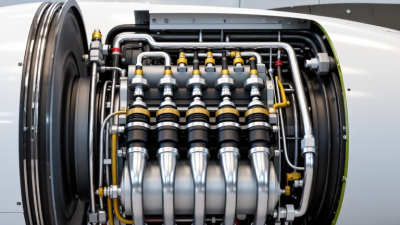
In a typical piston aircraft, an engine-driven pump sends fuel toward a metering unit. Airflow, throttle position, and pressure signals influence the measured fuel flow. Injectors then spray fuel near each cylinder’s intake port. That location matters. Fuel vaporizes close to the combustion chamber, supporting more even cylinder operation.

Some systems use mechanical controls, while newer installations may add electronic monitoring or control. Both require correct calibration, clean filters, and documented inspections.

During a pre-buy review, I would examine leaks, hose age, injector condition, and starting behavior. Cold starts can be smooth. Hot starts can be less predictable.

That small inconvenience deserves a real maintenance question, not a sales promise.

For buyers, fuel injection is especially useful in trainers, touring aircraft, and higher-performance piston models.

Accurate metering can improve fuel economy and throttle response. It may also reduce mixture variation between cylinders. At altitude, the system can help maintain an appropriate fuel-air ratio when properly adjusted. Fuel injection avoids carburetor float-bowl limitations and greatly reduces carburetor icing risk.

However, it does not remove every induction icing hazard. Electronic systems may offer better data, yet they depend on electrical power and qualified support. Mechanical systems can be simpler to troubleshoot, but adjustment quality remains critical.

A buyer should compare installation approval, overhaul intervals, fuel-flow records, and emergency procedures.

Paperwork is evidence.

Even a clean engine bay can hide aging hoses or incomplete maintenance records.

How to Classify Fuel Injection Aircraft by Engine and Mission

2026 Best Fuel Injection Aircraft Types for Buyers?

Classify fuel-injection aircraft by engine before comparing cabins or avionics. Fuel-injected piston aircraft suit private travel, training, and short regional flights. They offer efficient fuel metering and easier hot-weather starts. Single-engine models usually favor lower ownership costs and simpler maintenance. Twin-engine pistons add redundancy, payload, and stronger cross-country capability. The compromise is clear: more systems demand more inspections and operating discipline.

Turboprops belong to a different mission class. Their fuel-injected turbine engines handle short runways, rugged airfields, and frequent cycles better. They often suit regional transport, medical logistics, and utility work. Business jets prioritize speed, altitude, and passenger comfort, but require higher purchase and operating budgets. The 2024 General Aviation Statistical Databook recorded more than 3,000 aircraft shipments worldwide, showing a diverse market rather than one universal buyer profile. FAA Aerospace Forecast data also indicates continuing activity across personal, instructional, business, and commercial aviation. Numbers help, but they do not replace a mission profile. I would not trust a spreadsheet alone. Count annual hours, typical runway length, useful load, fuel access, and maintenance support. Small details matter. A buyer flying two people from paved airports may overpay for a turboprop. A remote operator may regret choosing a piston aircraft. That mistake can become expensive.

2026 Best Fuel Injection Aircraft Types for Buyers? - How to Classify Fuel Injection Aircraft by Engine and Mission
Aircraft Type Typical Engine and Fuel-Injection System Common Fuel Typical Seating Typical Cruise Speed Typical Range Primary Mission Key Buyer Advantages Main Buyer Trade-Offs
Fuel-Injected Single-Engine Trainer Four- or six-cylinder horizontally opposed piston engine using port fuel injection or continuous-flow mechanical injection. Leaded aviation gasoline such as 100LL; unleaded aviation gasoline may be approved for some engines and airframes. 2–4 105–135 kt 450–750 nm Primary flight training, instrument practice, personal transportation, and flight-school operations. Lower acquisition and operating cost than turbine aircraft; simple handling; broad availability of maintenance support. Lower payload and speed than turbine aircraft; piston-engine overhaul planning is an important ownership cost.
High-Performance Fuel-Injected Single Fuel-injected, normally aspirated or turbocharged piston engine with a controllable propeller. 100LL or an approved unleaded aviation gasoline. 4–6 145–190 kt 600–1,100 nm Owner-flown business travel, regional commuting, and fast personal transportation. Good speed and range for a single-engine aircraft; efficient for one or two regular occupants with moderate baggage. Higher workload and operating cost than a basic trainer; turbocharged versions require careful engine and temperature management.
Fuel-Injected Twin Piston Two fuel-injected piston engines, generally with constant-speed propellers; some versions are turbocharged. 100LL or an approved unleaded aviation gasoline. 4–8 150–210 kt 700–1,200 nm Multi-engine training, business travel, aerial survey, and operations where engine redundancy is valued. Greater payload flexibility and multi-engine capability; useful platform for instrument and commercial training. Two engines increase fuel burn, maintenance, inspection, and operating complexity; single-engine performance must be evaluated carefully.
Single-Engine Turboprop Utility Aircraft One free-turbine or fixed-shaft turboprop engine with a fuel control unit and continuous fuel injection into the combustion chamber. Jet A, Jet A-1, or another approved kerosene-based turbine fuel. 5–10 230–300 kt 700–1,400 nm Executive travel, cargo operations, remote-area access, air ambulance, and short or unimproved runway operations. Strong hot-and-high performance, efficient use of a large cabin, and better speed and payload capability than piston aircraft. Higher purchase price and maintenance cost; turbine inspections, propeller systems, and specialized training require a larger budget.
Twin-Engine Turboprop Utility Aircraft Two turbine engines with metered fuel delivery to annular or can-type combustion chambers; usually fitted with reversible propellers. Jet A or Jet A-1. 8–19 240–330 kt 800–1,600 nm Regional passenger transport, freight, maritime patrol, medical evacuation, and demanding utility missions. Excellent runway and payload flexibility; high dispatch utility; strong performance for regional sectors. More complex systems and higher direct operating cost than a single turboprop; passenger comfort can be affected by propeller noise and vibration.
Very Light Jet One or two small turbofan engines using electronic or hydromechanical fuel metering and continuous combustion-chamber injection. Jet A or Jet A-1. 4–7 300–390 kt 900–1,300 nm Short business trips, owner-flown jet operations, and access to smaller airports. Jet speed, pressurization, and high-altitude efficiency in a compact aircraft; generally shorter runway requirements than larger jets. Limited cabin and baggage volume; useful load can be sensitive to full-fuel loading; jet training and recurrent proficiency are essential.
Light Jet Two turbofan engines with digitally controlled fuel metering and continuous fuel injection into separate combustion chambers. Jet A or Jet A-1. 6–9 380–460 kt 1,200–2,000 nm Corporate travel, charter services, regional business routes, and time-sensitive transportation. High cruise speed, pressurized cabin, strong airport access, and useful range for many domestic and regional missions. Higher crew, maintenance, hangar, and fuel expenses; payload-range performance must be checked for every planned route.
Midsize Business Jet Two turbofan engines with electronic engine control and precisely metered fuel injection into annular combustion chambers. Jet A or Jet A-1. 7–10 430–480 kt 1,800–3,000 nm Longer business trips, international sectors, executive charter, and missions requiring more cabin space. Greater range, baggage capacity, cabin comfort, and high-altitude capability than very light and light jets. Higher acquisition and lifecycle costs; runway, crew, and maintenance requirements are more demanding.
Agricultural and Special-Mission Turboprop Single or twin turboprop configuration with a turbine fuel-control unit, fuel nozzles, and combustion-chamber injection. Jet A or Jet A-1. 1–8 120–280 kt 300–1,200 nm Aerial application, firefighting support, mapping, surveillance, geophysical work, and equipment transport. Can be configured around a specialized payload; durable airframe options and strong low-level or short-field capability. Mission equipment can reduce payload and range; operating economics depend heavily on utilization and specialized maintenance.
Diesel or Jet-Fuel Piston Single Compression-ignition piston engine using electronically controlled high-pressure fuel injection; typically installed in selected modern light aircraft. Jet A, Jet A-1, or another approved diesel-type aviation fuel. 2–4 105–145 kt 500–900 nm Training, touring, personal transportation, and operations where jet fuel availability is better than aviation gasoline availability. Can use widely available turbine fuel; often provides efficient fuel consumption and simplified fuel logistics at suitable airports. Availability of qualified maintenance support varies; engine-specific operating limitations and approval requirements must be verified.

Figures are representative buyer-planning ranges rather than certification limits. Actual performance depends on airframe configuration, engine rating, loading, weather, runway elevation, reserves, and operating rules. Turboprop and turbofan engines use continuous fuel delivery to the combustion chamber, while piston aircraft commonly use port or continuous-flow fuel injection.

Top Fuel Injection Aircraft Types for Buyers in 2026

Top Fuel Injection Aircraft Types for Buyers in 2026

Fuel-injected aircraft remain attractive for buyers seeking smoother starts, accurate fuel metering, and better high-altitude performance. The strongest choices include four-seat piston singles, low-wing touring aircraft, and multi-engine trainers. Four-seat singles suit private travel and regular training. Low-wing designs often provide excellent visibility during banking and easier inspection access. Multi-engine aircraft offer redundancy, but their maintenance costs rise sharply.

Industry data supports continued piston demand. The General Aviation Manufacturers Association’s 2024 shipment report recorded more than 1,800 piston airplanes delivered globally. The FAA Aerospace Forecast FY 2025–2045 also describes a United States general aviation fleet exceeding 200,000 aircraft. These figures suggest a healthy support market for qualified maintenance and used-aircraft parts. Still, buyers should inspect more than the injection system. Review engine-hour records, hot-start history, fuel-pump condition, cylinder compression, and corrosion around fuel lines. Check the logs.

Turboprops also deserve attention for buyers flying longer routes or carrying heavier loads. They provide strong climb performance and useful cabin flexibility, but fuel burn and overhaul reserves require serious budgeting. A newer aircraft may appear economical, yet incomplete maintenance records can change the calculation quickly. This is where buyer judgment matters. A perfect specification sheet is not enough. Independent pre-buy inspections, pilot training requirements, insurance quotes, and local service availability should influence the final decision. My own checklist would leave room for doubt, because fuel injection improves operation, not necessarily ownership economics.

2026 Best Fuel-Injection Aircraft Types for Buyers

Representative planning-range comparison for commonly available fuel-injected piston aircraft categories.

Four-seat retractable singles and six-seat high-performance singles generally offer the strongest balance of range, speed, and cabin utility for private buyers. Two-seat trainers usually provide the lowest acquisition and operating complexity, while light twins add redundancy and capacity at the cost of higher fuel and maintenance requirements. The ranges shown are representative published planning ranges for current aircraft in each category and can vary with payload, reserves, weather, altitude, and equipment.

Buyer Criteria: Performance, Reliability, Cost, and Maintenance

2026 Best Fuel Injection Aircraft Types for Buyers?

Buyer Criteria: Performance, Reliability, Cost, and Maintenance

For 2026 buyers, fuel-injected single-engine piston aircraft often provide a practical balance. They start smoothly. Their engines meter fuel more precisely than many older carbureted systems. This can improve hot-weather operation, climb consistency, and fuel planning. Yet published cruise numbers do not tell the whole story. A heavily loaded aircraft may climb slowly on a short runway. Check useful load, range with reserves, and real-world service ceilings.

Twin-engine piston aircraft offer redundancy, but they also bring higher fuel, insurance, and inspection costs. Turboprops usually deliver stronger payload performance and better high-altitude capability. Their purchase price and engine reserves can be demanding. Reliability depends heavily on maintenance history, operating environment, and pilot care. The aircraft type alone cannot guarantee dependable service.

During a pre-buy inspection, review engine compression, oil analysis, cylinder history, fuel-system work, and recurring inspection findings. Ask an independent mechanic to examine the aircraft, not only its paperwork. Look closely at fuel lines, injector condition, pumps, controls, and heat damage around the engine compartment. A clean logbook is helpful, but not conclusive. Records can be incomplete. I would rather buy a well-maintained aircraft with honest imperfections than a polished aircraft with unexplained gaps. Budget for surprises. They happen. Cost estimates should include scheduled maintenance, unscheduled repairs, training, hangarage, and replacement of aging components.

How to Select the Right Fuel Injection Aircraft for Your Needs

Choosing a fuel-injected aircraft starts with your mission, not the aircraft’s advertised speed. Start with the mission. A two-seat piston aircraft may suit local training and short recreational flights. A four-seat model offers better luggage capacity and family utility. For frequent high-altitude routes, consider an aircraft with dependable fuel injection, efficient engine cooling, and strong climb performance. Weather changes everything. Review your usual runway length, elevation, crosswind conditions, and seasonal temperatures before comparing aircraft types.

Fuel injection can improve starting consistency and fuel distribution, but it does not remove operational risks. Ask for complete maintenance records, engine-hour documentation, and evidence of scheduled inspections. During a pre-purchase inspection, an independent mechanic should examine compression, fuel lines, injectors, magnetos, cylinders, and signs of leakage. Look closely at cold-start behavior. Uneven idle or difficult starting deserves further testing, even when the cockpit looks immaculate. For turbine aircraft, inspect fuel control components, hot-section records, and operating history with equal care.

Ownership costs often change the best choice. Estimate annual fuel use from your realistic flight hours, not optimistic brochure figures. Include hangar fees, insurance, inspections, engine reserves, and unexpected repairs. I would avoid choosing purely by purchase price; that shortcut can become expensive. My earlier assumption that newer aircraft always reduce maintenance proved too simple. Condition, documentation, and professional support usually matter more. Arrange a demonstration flight with an instructor, test the aircraft at normal loading, and record fuel flow, temperatures, climb rate, and handling before making an offer.