Why Are Aircraft Systems Important for Aircraft Safety?
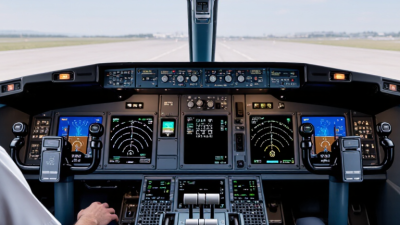
Aircraft systems are the quiet structure behind every safe flight. They include flight controls, engines, avionics, navigation equipment, electrical networks, and emergency protections. Together, these systems help an aircraft remain controllable, stable, and observable from departure to landing. A pilot may see only a few screens and instruments, but those displays represent thousands of measurements taken every second.
Their importance becomes clearer during abnormal situations. A warning light may reveal low oil pressure before serious damage develops. A redundant navigation source can support safe decisions when one signal becomes unreliable. Hydraulic systems move flight surfaces, while automatic protections can reduce pilot workload during demanding phases of flight. Maintenance teams also inspect wiring, sensors, software updates, and physical components. A small connector behind a panel can matter as much as a visible engine part.
This article examines how aircraft systems support safety through prevention, detection, redundancy, and controlled response. It also considers the relationship between engineering decisions, pilot training, maintenance discipline, and approved operating procedures. Reliable aviation depends on evidence, testing, and continuous monitoring, not confidence alone. No design is flawless. A warning can be misunderstood, a sensor can fail, or a procedure can expose an unexpected weakness. That uncomfortable truth deserves attention. By studying aircraft systems carefully, readers can better understand why safe flight requires cooperation between technology and human judgment. Safety is never automatic.
Core Functions of Aircraft Systems in Flight Operations
Aircraft systems turn flight principles into controlled, measurable operations. Flight-control computers interpret pilot inputs and adjust control surfaces within strict limits. Navigation systems combine satellite signals, inertial data, and radio information to maintain position awareness. Engine-monitoring systems track temperature, pressure, vibration, and fuel flow in real time.
Redundancy is central to safety. If one sensor fails, another source can support the crew’s decision. Hydraulic, electrical, and flight-control systems often use separate channels. These arrangements reduce the effect of a single failure, but they do not remove risk. No system is flawless. The International Air Transport Association recorded 30 accidents across 37.7 million commercial flights in 2023, equal to 1.26 accidents per million sectors. That figure shows strong safety performance, while also proving that constant monitoring remains necessary.
Aircraft systems also support the less visible parts of flight operations. Environmental controls regulate cabin pressure and temperature, while warning systems alert crews to smoke, fire, unstable flight paths, or abnormal engine readings. During maintenance, technicians compare recorded data with approved limits and inspect physical details, such as wiring condition and fluid leakage. Small clues matter. A warning may appear only once, and crews must still judge its meaning. Reports from the International Civil Aviation Organization emphasize safety management, occurrence reporting, and continuous risk assessment. Technology helps, but disciplined human decisions remain essential. Perhaps the weakest link is not a component, but an overlooked assumption.
How Aircraft Systems Support Safe Takeoff, Flight, and Landing
Why Are Aircraft Systems Important for Aircraft Safety?
Aircraft systems support safety from the runway to the landing lights. Before takeoff, pilots check flight controls, brakes, engines, fuel, and warning indicators. These checks confirm that essential components respond correctly. A flight management system helps calculate speed, altitude, and route information. Still, pilots must verify the data instead of trusting screens blindly. Small errors can grow quickly during a busy departure.
During flight, electrical, hydraulic, and pneumatic systems power critical functions. Flight controls help the aircraft respond to pilot inputs. Navigation and communication equipment support accurate decisions in changing weather. Automatic systems can reduce workload, but they cannot replace judgment. Redundancy matters here. If one component fails, another may continue the task. That extra layer gives pilots time to diagnose problems and follow approved procedures.
Landing demands careful coordination. Landing gear indicators, braking systems, warning alerts, and flight instruments guide the final approach. Pilots monitor speed, runway alignment, wind, and aircraft response. A safe landing is not always smooth. That is worth remembering. Maintenance records, repeated training, and honest reporting also strengthen safety before the aircraft moves. No system is perfect, and fatigue, unclear information, or overlooked defects can still influence decisions. Reliable safety comes from systems, people, inspections, and disciplined communication working together.
Key Aircraft Systems That Prevent and Manage Operational Risks
Aircraft systems turn small problems into manageable events. Flight-control computers interpret pilot inputs, while hydraulic and electrical backups help preserve control after a component fails. Weather radar shows developing storms; terrain-warning systems alert crews when an aircraft approaches rising ground. At close range, traffic-alert systems can warn pilots about nearby aircraft. These safeguards matter because risk rarely arrives alone.
The IATA 2024 Safety Report recorded 40.6 million flights and 51 accidents worldwide. That figure does not prove that any one system prevented an accident, but it shows why layered protection matters across millions of operations. Fire detection, cabin-pressure monitoring, and engine instruments give crews time to respond. Maintenance teams also use fault messages and inspection records to identify recurring problems before dispatch. Yet redundancy is not magic. A backup can be unavailable, and an alert can be misunderstood. That detail is easy to overlook.
Tips: Before departure, check that warning indicators are clear and required system checks are complete. In flight, respond to alerts using approved procedures, not guesswork. After landing, record unusual vibration, odor, or flickering displays precisely. Small details help maintenance teams find the fault.
Why Aircraft Systems Matter for Safety
Key systems help crews prevent hazards, detect failures, and manage abnormal operations.
How to read: 1 means the system has that safety function; 0 means it is not its primary role in this simplified map. These are functional classifications, not measured accident rates or percentages of risk reduction. Actual equipment and capabilities vary by aircraft.
System Redundancy, Monitoring, and Failure Detection
Aircraft safety depends on systems that continue working when something goes wrong. Redundancy provides this protection by using separate sensors, power supplies, and control paths. If one unit fails, another can support essential functions. In the cockpit, warning lights and instrument readings help pilots notice abnormal changes early. Yet redundancy is not magic. Shared wiring, heat, or maintenance errors can affect more than one backup.
Monitoring systems compare expected and actual performance. For example, they may detect unusual pressure, rising temperature, or conflicting speed data. Failure detection then alerts the crew and records useful information for maintenance teams. These features support safer decisions, but they require accurate calibration and regular testing. A warning that appears too late is dangerous. A false warning can also distract the crew. Engineers must study both problems.
Tips: Check whether backup systems use independent power and wiring. Test alarms under realistic conditions, not only during routine inspections. Review small warning events before they become repeated failures. Keep maintenance records clear and specific. Human judgment still matters. No system catches everything. A careful technician may notice a loose connector, unusual vibration, or a sound that software misses. Safety improves when automation and experience challenge each other, rather than working separately.
Maintenance and Regulation of Aircraft Safety Systems
Why Are Aircraft Systems Important for Aircraft Safety?
Aircraft safety depends on systems that work together under pressure. Maintenance keeps those systems dependable between scheduled inspections.
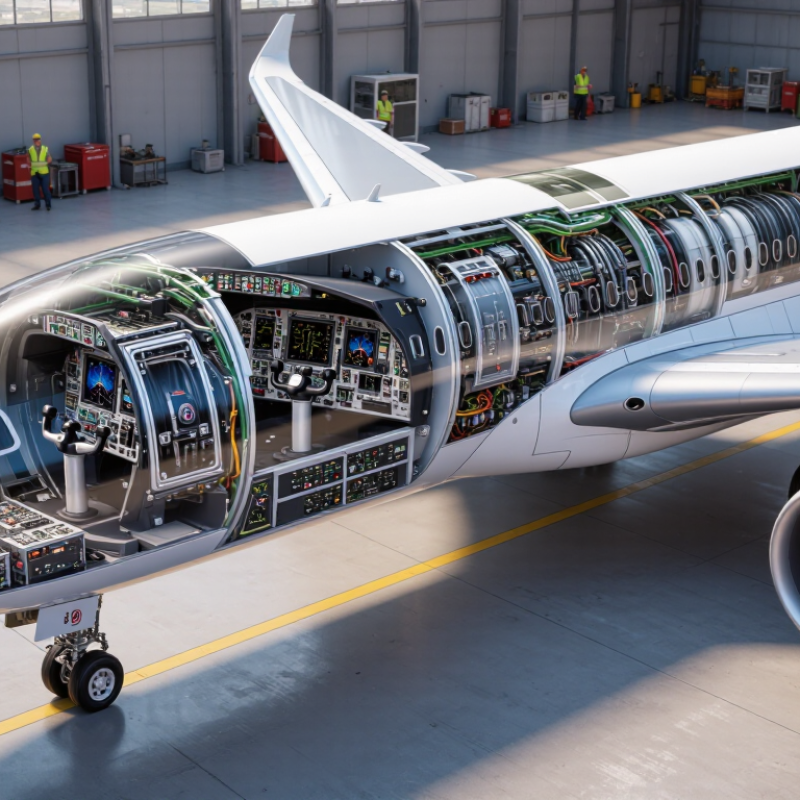
In a hangar, technicians examine wiring, hydraulic lines, sensors, and emergency equipment. A loose connector may look harmless. It can still create a serious warning later.
Regulations establish minimum safety requirements for inspection, testing, repairs, and maintenance records. Qualified personnel follow approved procedures and use calibrated tools.
They also compare measured results with technical limits, not personal judgment. Flight-control checks may reveal unusual resistance. Electrical tests can expose hidden damage behind clean panels.
Accurate records help inspectors trace repeated faults and identify weak maintenance patterns.
Human judgment still matters. No inspection program is flawless. A checklist can be completed while a small defect remains unnoticed. That assumption deserves scrutiny.
Technicians should report unclear findings, ask for a second review, and avoid rushing release decisions. Operators also need scheduled replacements for parts affected by fatigue, corrosion, heat, or vibration.
Emergency systems require special attention because they may remain unused for months. Their batteries, lights, oxygen equipment, and warning indicators must still function immediately when needed.
Strong oversight connects practical experience with reliable documentation and enforceable standards.