Why Understanding Aviation Fuel Systems is Crucial for Efficient Flight Operations
Understanding aviation fuel systems is crucial for efficient flight operations, particularly as the industry faces increasing pressure to optimize performance and reduce environmental impact. According to a report by the International Air Transport Association (IATA), fuel costs represent approximately 25-30% of an airline's total operating expenses, making it imperative for aviation professionals to prioritize the efficiency of these systems. The effective management of aviation fuel systems can lead to significant savings and greater operational reliability, ultimately enhancing the performance of commercial and private aircraft alike.
As the aviation sector moves toward more sustainable practices, advancements in aviation fuel systems are essential. The Global Aviation Fuel Market report indicates that the demand for alternative fuels, such as sustainable aviation fuel (SAF), is expected to grow significantly, driven by regulatory pressure and environmental commitments from major airlines. A robust understanding of the intricacies of aviation fuel systems not only aids in the seamless integration of these new fuels but also ensures that existing systems can maintain optimal performance. This knowledge is critical for engineers, operators, and decision-makers who are tasked with navigating this complex and evolving landscape within the aviation industry.
Understanding the Basics of Aviation Fuel Systems for Efficient Flight Operations
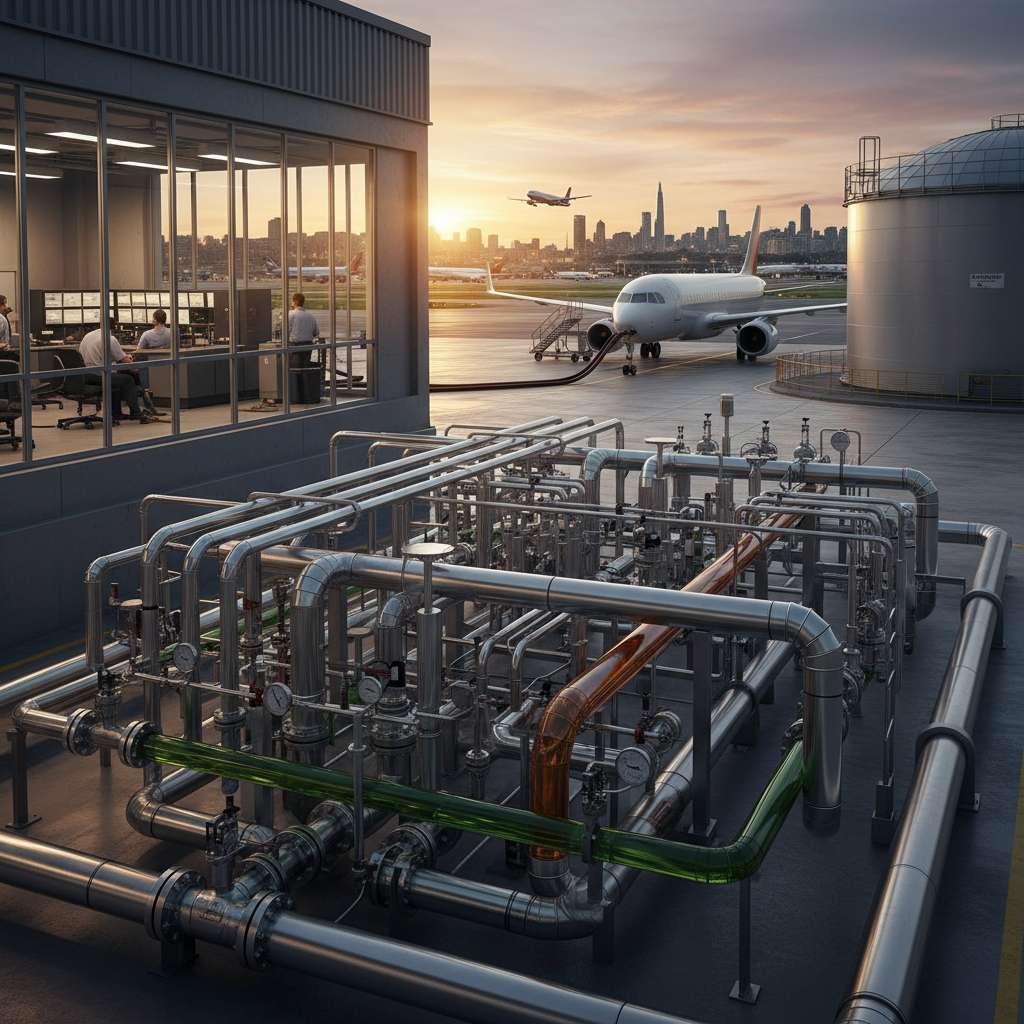
Aviation fuel systems play a vital role in ensuring the efficiency and safety of flight operations. Understanding the basics of these systems can significantly impact not only aircraft performance but also operational costs and maintenance schedules. At their core, aviation fuel systems are designed to store, transport, and deliver fuel to engines with precision and reliability. The components of these systems, including fuel tanks, pumps, filters, and valves, must work seamlessly together to ensure that fuel flows optimally, preventing issues such as contamination or vapor lock.
Moreover, a solid grasp of aviation fuel systems allows flight crews and maintenance personnel to identify potential weaknesses and address them proactively. For instance, understanding fuel management techniques, such as the importance of fuel density and temperature, can aid in optimizing fuel consumption during flights. Additionally, knowledge of fuel system monitoring tools can help in pre-flight checks and during regular maintenance, decreasing the likelihood of in-flight fuel-related emergencies and ensuring that aircraft operate efficiently. Thus, a comprehensive understanding of aviation fuel systems is essential for enhancing flight operation efficacy and safeguarding the overall safety of aviation activities.
Key Components of Aviation Fuel Systems: What Every Operator Should Know
Understanding the key components of aviation fuel systems is essential for operators who aim to ensure seamless flight operations. One of the primary components is the fuel tank, which must be properly designed to withstand various pressures and environmental conditions. Effective fuel tanks are equipped with baffles to minimize fuel movement during maneuvers, thereby maintaining the center of gravity and enhancing stability.
Another critical element is the fuel filtration system, which plays a vital role in preventing contaminants from entering the aircraft's engines. Regular maintenance of fuel filters is crucial, as clogged filters can lead to engine performance issues or even failures. Additionally, the fuel pump is responsible for delivering fuel from tanks to the engines at the necessary pressure. Operators must ensure that the pumps are frequently inspected and maintained to avoid potential disruptions. By focusing on these key components, operators can significantly enhance the efficiency and safety of their flight operations.
Why Understanding Aviation Fuel Systems is Crucial for Efficient Flight Operations
| Component |
Function |
Importance |
Common Issues |
| Fuel Tanks |
Store aviation fuel |
Ensure adequate fuel supply |
Leakage, contamination |
| Fuel Pumps |
Transfer fuel to engines |
Maintain fuel flow |
Failure to pump, cavitation |
| Fuel Filters |
Remove impurities |
Protect engine from damage |
Clogging, bypassing |
| Fuel Valves |
Control fuel flow |
Ensure operational efficiency |
Sticking, leaks |
| Fuel Gauges |
Measure fuel quantity |
Monitor fuel levels |
Inaccuracy, failure |
Troubleshooting Common Issues in Aviation Fuel Systems to Avoid Downtime
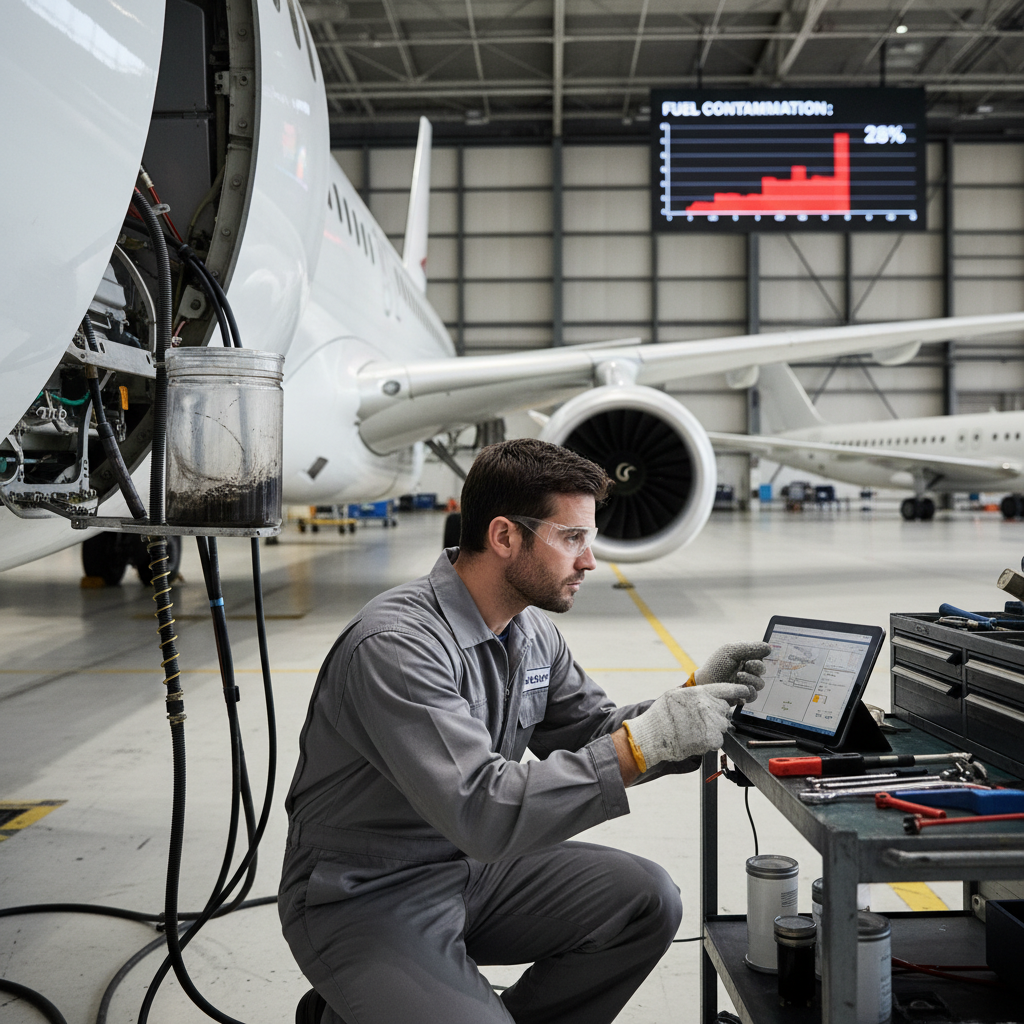
Understanding aviation fuel systems is essential for maintaining efficient flight operations, particularly because fuel system malfunctions can lead to operational downtime. According to the Flight Safety Foundation, a significant percentage of in-flight incidents can be traced back to fuel system failures, making it crucial for aviation professionals to be well-versed in troubleshooting common issues.
Engineers should routinely check for contamination, as data indicates that fuel contamination can account for nearly 30% of all fuel system-related failures.
Regular maintenance and swift diagnostics are key to preventing potential disruptions. Incorporating technology such as advanced filtration systems and fuel monitoring sensors can significantly reduce the chances of contamination and help maintain system efficiency.
Tips: Always keep a detailed log of fuel system inspections and maintenance. Implementing a checklist that includes critical components such as fuel pumps, filters, and tanks can prevent oversight. Additionally, consider conducting periodic training sessions for ground teams to enhance their troubleshooting skills, ultimately fostering a culture of proactive maintenance and reducing unexpected downtimes in flight operations.
Best Practices for Fuel Management to Enhance Flight Efficiency and Safety
Understanding aviation fuel systems is essential for optimizing flight operations. Effective fuel management not only enhances flight efficiency but also ensures safety, as fuel accounts for a significant portion of an aircraft's operating costs. According to industry reports, airlines can reduce fuel consumption by as much as 5-10% through better management practices, translating to substantial savings given that fuel can represent up to 30% of an airline's operational expenses.
To improve fuel efficiency, crews should adopt best practices such as conducting thorough pre-flight fuel checks. This involves verifying fuel quantities, understanding the aircraft's specific fuel requirements, and planning for contingencies. Another key practice is to utilize fuel-efficient flight planning and execution techniques, such as optimizing flight routes and altitudes based on real-time weather data.
**Tips:** Regular training for flight crews on the latest fuel management technologies can lead to significant enhancements in decision-making. Additionally, implementing fuel performance monitoring systems allows airlines to track consumption patterns and identify areas for improvement. By prioritizing fuel management strategies, airlines can not only boost their bottom line but also contribute to a more sustainable aviation future.
The Role of Technology in Modern Aviation Fuel Systems and Operational Efficiency
Modern aviation fuel systems are at the forefront of technological advancements that significantly enhance operational efficiency. The integration of computer-based monitoring systems allows for real-time data analysis, enabling airlines to make informed decisions regarding fuel management. These systems monitor variables such as fuel flow, temperature, and pressure, ensuring optimal performance while minimizing waste. By utilizing this technology, airlines can streamline their fuel consumption strategies, resulting in reduced operational costs and lower carbon emissions.
Furthermore, innovative developments in fuel delivery mechanisms, such as advanced filtration and pump systems, contribute to the overall efficiency of aircraft operations. These technologies not only ensure the reliability of fuel supply but also enhance safety by preventing contamination and system failures. Additionally, the introduction of sustainable aviation fuels (SAFs) into modern fuel systems demonstrates a commitment to environmentally responsible practices. By embracing these technologies, the aviation industry moves towards more sustainable and economical flight operations, essential for meeting both regulatory standards and passenger expectations.