Top 10 Precision Aircraft Innovations Revolutionizing Aviation Industry?
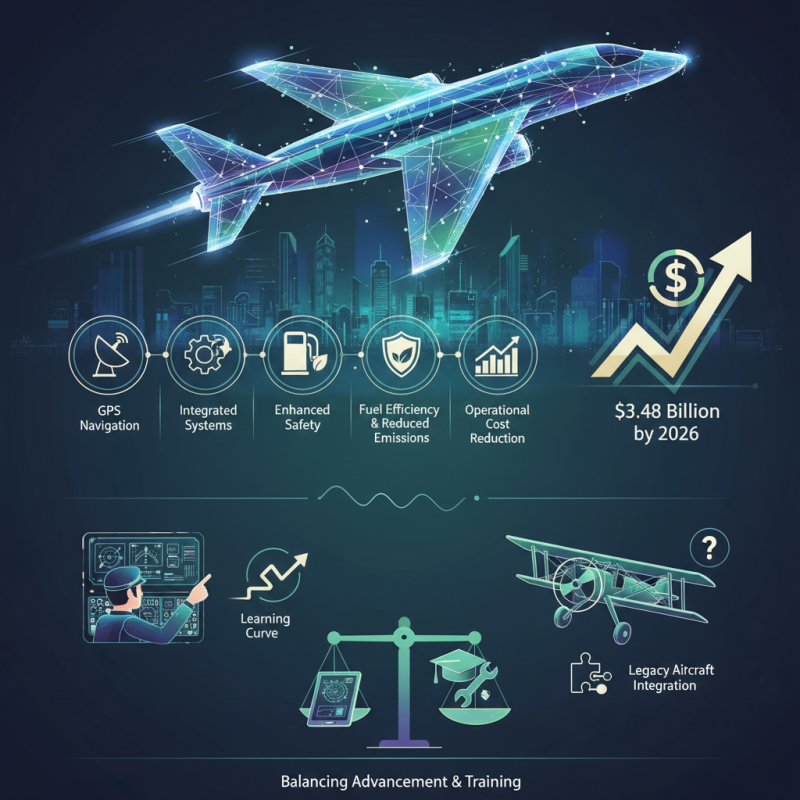
The aviation industry is undergoing remarkable changes, fueled by innovations in precision aircraft technology. According to a report from Markets and Markets, the global precision aircraft market is expected to reach $3.48 billion by 2026. This growth is driven by the need for enhanced safety and efficiency in flight operations. Precision aircraft are setting new standards, enabling airlines to optimize fuel consumption and reduce emissions.
Recent advancements include integrated systems that ensure better navigation accuracy. For instance, GPS technology now allows for landing within a few feet of target runways. However, there are challenges. The integration of new technologies often comes with a steep learning curve for pilots and ground crews. Additionally, older aircraft models may struggle to keep pace with these innovations.
The ongoing digital transformation in aviation also highlights the importance of precision aircraft. The International Air Transport Association estimates that the adoption of such technologies can lead to a 25% reduction in operational costs. As the industry moves forward, it must carefully balance modern advancements with training and adaptation strategies. This journey remains essential for the future of aviation.
Precision Navigation Systems: Enhancing Aircraft Accuracy and Safety
Precision navigation systems are transforming aircraft accuracy and safety in unprecedented ways. Recent reports indicate that over 80% of aviation accidents result from navigation errors. This highlights the critical need for advancements in precision technology. Enhanced systems utilize satellite data, ground-based signals, and advanced algorithms. They provide real-time position updates, reducing the margin for error significantly.
One notable trend is the integration of Automatic Dependent Surveillance–Broadcast (ADS-B). This system allows aircraft to determine their location autonomously. ADS-B improves situational awareness for pilots and air traffic control. It enhances communication and reduces the chance of mid-air collisions. However, some aircraft lack this technology, creating gaps in safety standards.
Despite these innovations, challenges remain. Many regions still depend on outdated systems. These systems can lag in performance, causing navigational inaccuracies. Moreover, not all airports have the resources to implement advanced precision systems. Inconsistent global standards create disparities in safety. Stakeholders must address these gaps to bolster overall industry safety and efficacy.
Top 10 Precision Aircraft Innovations Revolutionizing Aviation Industry
This chart showcases the advancements in precision navigation systems and their impacts on aircraft accuracy and safety over the years. The data represents the percentage improvements in navigation accuracy and safety ratings achieved by various innovations.
Advanced Materials in Aerospace Engineering: Weight Reduction and Performance
Advanced materials play a crucial role in aerospace engineering. They contribute to weight reduction and enhance overall performance. Recent reports indicate that the use of composite materials can lead to a weight reduction of 30% in aircraft structures. This reduction is significant as every kilogram saved can lead to a potential fuel savings of 1,500 USD per year per aircraft.
New materials, such as carbon fiber reinforced polymer (CFRP), are becoming increasingly common. CFRP offers high strength and low weight, making it ideal for fuselage and wing structures. However, integrating these advanced materials into current manufacturing processes remains a challenge. Companies often find it difficult to adapt their existing facilities to accommodate new materials without incurring high costs and delays.
Moreover, while advanced materials improve performance, they also require extensive testing and validation. Issues with durability and maintenance can arise with these newer materials. As innovators push forward, there is a continuous need for research. Understanding how these materials perform over time and under various conditions is crucial. The aviation industry must address these areas to fully leverage the benefits of advanced materials.
Autonomous Flight Technologies: The Future of Pilotless Aircraft
The aviation industry is on the brink of a significant transformation. Autonomous flight technologies are reshaping how we envision air travel. According to a recent report from the International Civil Aviation Organization (ICAO), pilotless aircraft could reduce operational costs by up to 30%. This could make air travel more accessible and affordable for everyone.
Despite advancements, challenges remain. Safety is a primary concern. A study by the European Union Aviation Safety Agency (EASA) shows that 75% of potential passengers are wary of flying in pilotless planes. Addressing these fears is critical. Continuous dialogue and education about safety protocols will be necessary as technologies evolve.
Additionally, the integration of artificial intelligence in aviation is paramount. AI can assist in navigation and emergency response. However, unexpected scenarios still pose risks. Systems need to be tested in real-world environments. Data shows that 20% of all aviation incidents could be attributed to unforeseen circumstances that human pilots currently manage. Balancing automation with human oversight will be vital for public trust in pilotless aircraft.
Innovative Engine Designs: Fuel Efficiency and Emissions Reduction
Innovative engine designs are reshaping the aviation sector. A key focus is fuel efficiency. New technologies enhance performance while lowering fuel consumption. According to a recent report by the International Air Transport Association, advancements in engines could cut CO2 emissions by up to 20% by 2035.
One notable area is the development of hybrid-electric propulsion systems. These systems offer a substantial reduction in emissions. A study from the European Union Aviation Safety Agency revealed that such systems could decrease operational costs significantly. However, challenges remain. Battery capacity needs improvement. Current options can often limit range and performance.
Furthermore, sustainable aviation fuels (SAFs) are gaining traction. They can reduce lifecycle carbon emissions by up to 80%. Yet, the production of these fuels is still in early stages. Supply chains need further development. While these innovations promise much, the path to widespread implementation is fraught with obstacles. Data indicates that regulatory frameworks may slow adoption. The industry must adapt quickly to meet future demands while ensuring sustainability.
Top 10 Precision Aircraft Innovations Revolutionizing Aviation Industry
| Innovation |
Description |
Fuel Efficiency Improvement (%) |
Emissions Reduction (%) |
Year Introduced |
| Adaptive Fan Design |
Variable geometry fan blades for optimized aerodynamic efficiency. |
15 |
20 |
2022 |
| Hybrid-Electric Propulsion |
Combines traditional engines with electric motors to reduce fuel consumption. |
25 |
30 |
2023 |
| Blade Element Momentum Theory (BEMT) Applications |
Advanced computational methods for optimizing rotor performance. |
10 |
15 |
2021 |
| 3D Printed Engine Components |
Lightweight and complex engine parts created with additive manufacturing. |
12 |
18 |
2020 |
| Biofuels and Sustainable Aviation Fuels (SAFs) |
Using renewable fuels to minimize carbon footprint. |
20 |
50 |
2019 |
| Advanced Turbofan Engines |
High bypass ratio engines for improved efficiency. |
18 |
22 |
2021 |
| Variable Cycle Engine Technology |
Engine can change operation mode for efficiency at different flight phases. |
20 |
25 |
2023 |
| Lightweight Composite Materials |
Use of advanced composites to reduce aircraft weight. |
15 |
10 |
2020 |
| Smart Engine Monitoring Systems |
Real-time monitoring for predictive maintenance. |
5 |
8 |
2021 |
| Heat Recovery Systems |
Capture waste heat to improve overall efficiency. |
10 |
12 |
2022 |
Data Analytics and Predictive Maintenance: Revolutionizing Aircraft Operations
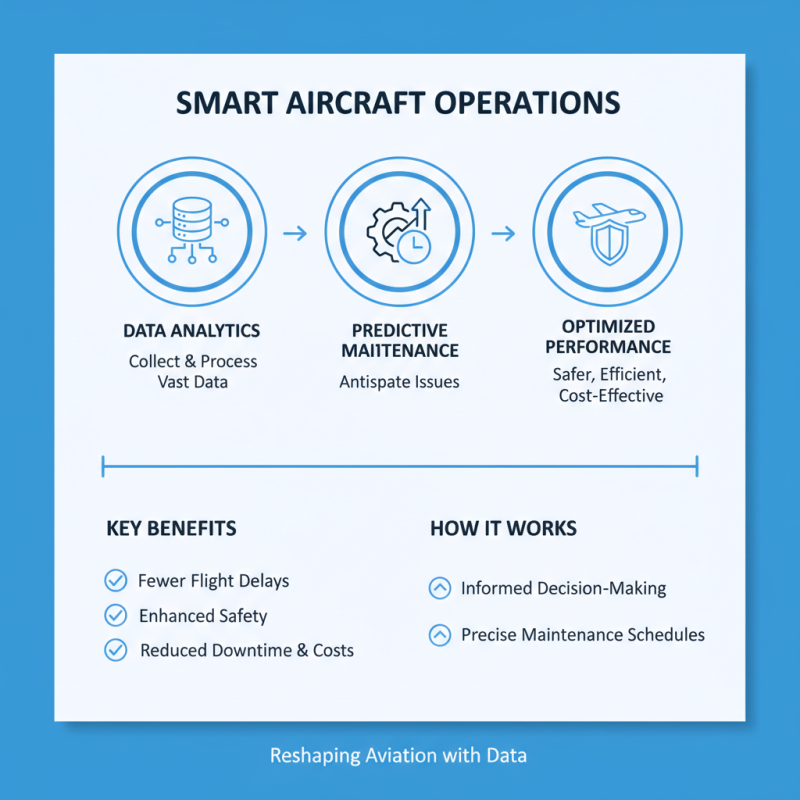
Data analytics and predictive maintenance are reshaping aircraft operations. Airlines are now using vast amounts of data to optimize performance. By analyzing this data, they can make informed decisions. This leads to fewer delays and increased safety. Maintenance schedules can be more precise, reducing costs and downtime.
Tips: Focus on real-time data. The quicker you analyze, the faster you can act. Consider using dashboards for immediate insights. Track trends over time; that way, you can anticipate issues before they arise.
Airlines face challenges when implementing these technologies. Not all staff are trained to interpret data effectively. This can lead to missed opportunities. It's crucial to invest in training for the workforce. Maintain an adaptive mindset; technology evolves rapidly. Working with data can be daunting, but it's essential for progress.