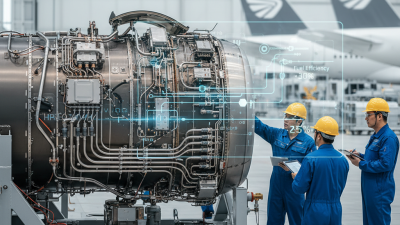
Top 10 Fuel System Aviation Innovations You Need to Know About

In the rapidly evolving landscape of aviation, the significance of efficient and innovative fuel systems cannot be overstated. According to a report by the International Air Transport Association (IATA), fuel costs account for approximately 25% of the total operating expenses for airlines. As the global demand for air travel continues to rise, projected to reach 8.2 billion passengers annually by 2037, advancements in fuel system aviation are critical to enhancing efficiency and reducing environmental impact.

Recent studies emphasize the need for significant improvements within the fuel system aviation sector, with innovations aimed at optimizing fuel consumption and minimizing emissions taking center stage. The FAA's NextGen initiative and its emphasis on sustainable aviation fuel (SAF) demonstrate a concerted effort to modernize aviation infrastructure while adhering to stricter environmental regulations. Moreover, the rise in automation and digital technologies is paving the way for enhanced monitoring and management of fuel systems, which is expected to improve reliability and safety in flight operations.

As we delve into the top ten innovations shaping the future of fuel system aviation, it becomes evident that these advancements not only address economic and environmental challenges but also herald a new era of operational excellence in the aviation industry. The future of flight is not just about reaching new heights; it's about doing so sustainably, efficiently, and intelligently.

Top 10 Fuel System Aviation Innovations You Need to Know About

Advancements in Aviation Fuel Efficiency Technologies

Advancements in aviation fuel efficiency technologies have revolutionized the industry, emphasizing sustainability and reducing operational costs. Innovations such as advanced composite materials and aerodynamics enhancements have significantly decreased aircraft weight and drag, leading to improved fuel consumption. Additionally, the development of more efficient jet engines, such as those utilizing variable bypass ratios, allows for better fuel burn rates across various flight conditions, contributing to overall efficiency.

Another breakthrough in aviation fuel efficiency is the exploration of alternative fuels, including biofuels and synthetic options derived from renewable sources. These fuels not only promise lower greenhouse gas emissions but also help airlines meet stricter environmental regulations. Furthermore, the integration of real-time data analytics allows operators to optimize flight paths and engine performance dynamically, ensuring that every flight takes advantage of the best possible conditions for fuel efficiency. The cumulative effect of these advancements bodes well for the future of aviation, paving the way for greener skies and more sustainable travel.
Top 10 Fuel System Aviation Innovations

Innovative Fuel Management Systems in Modern Aircraft

In the ever-evolving realm of aviation, fuel management systems have become crucial for enhancing efficiency and sustainability. Modern aircraft are now equipped with innovative systems that optimize fuel usage, reducing costs and minimizing environmental impact. Advanced algorithms analyze real-time data to adjust fuel flow based on various parameters, ensuring that every drop of fuel is utilized effectively. This smart approach not only extends the operational range of aircraft but also plays a significant role in adhering to stringent emission regulations.

When it comes to managing fuel effectively, pilots and operators can benefit from a few practical tips. First, regular maintenance checks of the fuel system can prevent issues that lead to inefficient fuel use. It’s also beneficial to utilize fuel management software that integrates seamlessly with on-board systems, allowing for detailed monitoring of fuel consumption patterns. Lastly, training for crew members on the latest fuel management technologies can enhance their ability to respond to changing flight conditions and optimize fuel efficiency throughout the journey.

In addition, innovations like real-time fuel tracking and predictive analytics are paving the way for smarter flight operations. By leveraging these technologies, aviation professionals can forecast fuel needs accurately, which not only enhances operational planning but also aligns with budgetary considerations. These advancements signal a promising future for eco-friendly aviation practices, where fuel management is not just a technical requirement but a strategic advantage in the industry.

Top 10 Fuel System Aviation Innovations You Need to Know About

Technology Description Benefits Impact on Efficiency
Advanced Fuel Injection Systems Utilizes precision injectors for optimal fuel distribution. Improves engine performance and reduces fuel consumption. Enhances fuel efficiency by up to 10%.
Fuel Management Systems Real-time monitoring of fuel usage and storage. Optimizes fuel costs and reduces wastage. Contributes to significant cost savings and sustainability.
Biofuels and Sustainable Aviation Fuels (SAF) Use of renewable sources to produce jet fuel alternatives. Reduces carbon footprint and reliance on fossil fuels. Enhances environmental sustainability in aviation.
Digital Twin Technology Virtual representation of aircraft fuel systems for analysis. Improves predictive maintenance and operational efficiency. Enhances reliability and minimizes downtime.
Enhanced Fuel Tank Design Innovative tank structures to maximize fuel capacity and safety. Increases range and reduces risk of leaks. Offers improved fuel storage efficiency.
Smart Fueling Systems Automated and optimized fueling processes using sensors. Reduces time and human error in fueling operations. Increases turnaround times at airports.
Modular Fuel Systems Flexible systems that can be adjusted for different aircraft. Reduces need for multiple systems and components. Improves adaptability and reduces costs.
Fuel Cell Technology Electrochemical systems converting chemicals into electricity. Offers cleaner energy alternatives for aircraft. Potential to reduce reliance on conventional fuels.
Advanced Fuel Sensors High-precision sensors for accurate fuel monitoring. Enhances safety by detecting issues early. Improves overall operational reliability.
Retrofit Solutions for Aging Aircraft Upgrades for old aircraft to meet modern standards. Extends aircraft lifespan and improves efficiency. Maximizes return on investment for operators.

The Role of Biofuels in Sustainable Aviation

Top 10 Fuel System Aviation Innovations You Need to Know About

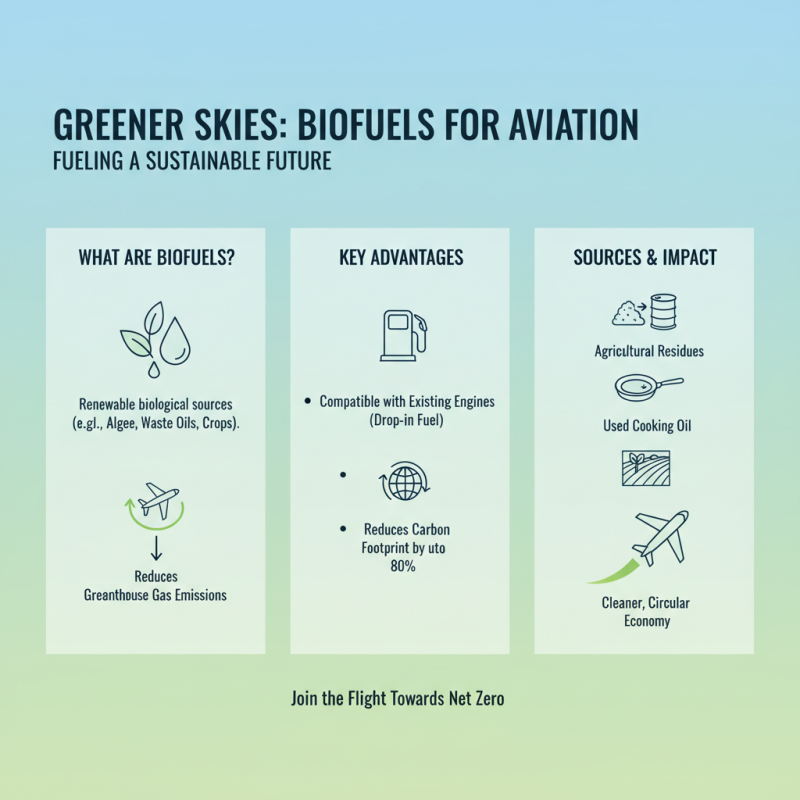
Biofuels have emerged as a pivotal element in the quest for sustainable aviation, addressing the sector's significant carbon footprint. Unlike traditional fossil fuels, biofuels are derived from renewable biological resources, making them an attractive alternative that can significantly reduce greenhouse gas emissions. Their production involves using feedstocks like agricultural residues, waste oils, and non-food crops, which not only displace conventional jet fuels but also offer an added benefit of utilizing materials that might otherwise go to waste. As these fuels can be mixed with existing aviation fuels without requiring substantial modifications to existing aircraft engines, biofuels present a compelling solution for the industry's immediate transition towards greener operations.

The adoption of biofuels in aviation fosters a comprehensive approach to sustainability, extending beyond emissions reduction to encompass energy security and economic development. The cultivation of biofuel crops can stimulate local economies, create jobs in rural areas, and promote agricultural practices that are more sustainable. Additionally, significant advancements in technology are enabling higher efficiency and lower costs in biofuel production, making it a viable option for airlines and manufacturers alike. As the aviation industry continues to innovate, investments in biofuels are essential for integrating sustainability into the core of flight operations, aiding in the transition toward a future where air travel harmonizes with ecological responsibility.

Breakthroughs in Fuel Storage and Distribution Solutions

Recent advancements in fuel storage and distribution have revolutionized aviation, significantly improving efficiency and safety across the industry. One of the key innovations is the introduction of lightweight composite fuel tanks, which optimize storage capacity while minimizing weight. According to a report by the International Civil Aviation Organization (ICAO), these composite materials can reduce fuel tank weight by up to 30%, leading to lower operational costs and reduced greenhouse gas emissions. Such innovations are vital as the aviation industry moves towards sustainability targets set for the coming decades.

Additionally, the implementation of advanced fuel management systems has transformed how airlines distribute fuel. Real-time monitoring technologies enable more accurate tracking of fuel levels and consumption patterns, thereby minimizing waste. The Aviation Fuel Quality Control Task Force reported that these systems help to reduce fuel spills and improve turnaround times by up to 25%. As the focus on environmental responsibility intensifies, these technologies not only streamline operations but also contribute to the broader goal of sustainable aviation by ensuring that every drop of fuel is used efficiently.

Emerging Technologies for Fuel Burn Reduction in Engines

The aviation industry is constantly seeking innovative solutions to reduce fuel consumption and enhance engine efficiency. Emerging technologies are at the forefront of these advancements, revolutionizing how aircraft utilize fuel. One significant development is the integration of advanced materials in engine construction. Lightweight composites and high-temperature alloys not only reduce the overall weight of aircraft but also allow engines to operate at higher temperatures, improving thermal efficiency and reducing fuel burn.

Another promising technology involves the adoption of hybrid-electric propulsion systems. By combining traditional jet engines with electric motors, these systems can significantly lower fuel consumption during various phases of flight. This approach not only enhances fuel efficiency but also reduces emissions, making air travel more environmentally friendly. Furthermore, the implementation of sophisticated aerodynamics, such as morphing wing designs, optimizes airflow and minimizes drag, contributing to lower fuel usage. As these technologies continue to develop, the aviation sector moves closer to achieving sustainable and efficient fuel management in the quest for greener skies.