
China Top 10 Aircraft Insulation Manufacturers
China Top 10 Aircraft Insulation Manufacturers introduces the companies shaping safer, quieter, and more efficient aircraft cabins. This sector demands more than lightweight materials. Manufacturers must balance thermal control, acoustic comfort, fire resistance, moisture protection, and strict aviation testing.
Aircraft interiors specialist John W. Stroud once remarked, “A cabin material must perform quietly, consistently, and safely.” That principle fits aircraft ins well. Behind every visible panel, insulation blankets help manage engine noise, temperature changes, vibration, and condensation. In practice, a few millimeters can influence passenger comfort and component durability.
This guide examines ten leading Chinese manufacturers through practical criteria. These include material quality, production capacity, certification experience, customization, delivery reliability, and after-sales support. Factory capability matters. So does documentation. A clean production line, traceable fiber layers, and carefully sealed blanket edges can reveal more than polished marketing language.
No ranking is perfect. Public information varies between companies, and some technical data remains limited. That weakness deserves attention. Buyers should verify test reports, fire performance, acoustic results, and aircraft-program references before making decisions. Supplier visits can also expose details that websites omit. A strong manufacturer should explain its process clearly, not hide behind broad claims.
China’s aircraft insulation market is developing quickly, but performance must remain the central measure. This overview offers a practical starting point for airlines, MRO providers, aircraft interior contractors, and procurement teams seeking dependable partners.
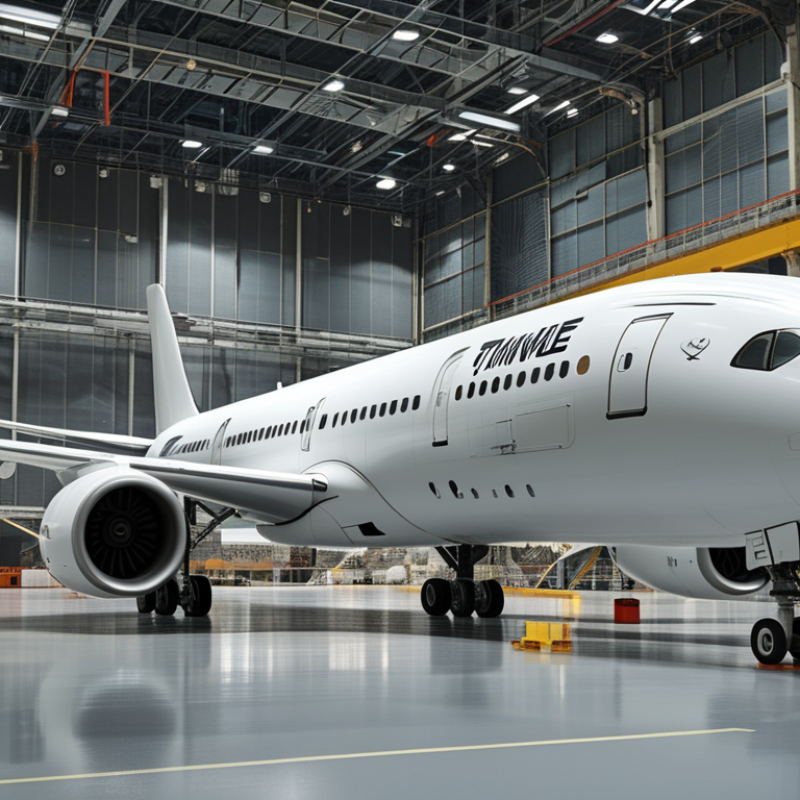
China’s Aircraft Insulation Industry: Materials, Standards, and Market Scope
China Top 10 Aircraft Insulation Manufacturers
China’s aircraft insulation sector is expanding with fleet growth and stricter cabin requirements. The Civil Aviation Administration of China reported 4,346 transport aircraft in service at the end of 2024. This installed base supports demand for thermal blankets, acoustic barriers, fire-resistant panels, and lightweight duct insulation. MarketsandMarkets forecasts the global aircraft insulation market to grow at roughly 7% annually through 2028. China’s market share remains difficult to isolate. Public reporting is incomplete.
Common materials include fiberglass, melamine foam, polyimide film, aramid fabric, and aluminized protective layers. Each material must balance low mass, low heat transfer, acoustic performance, and durability. Weight matters inside every ceiling panel. A few grams become significant across an aircraft cabin. Insulation assemblies also require resistance to flame, smoke, and toxicity under applicable airworthiness rules, including CCAR-25 requirements and related test methods. EN 45545 data can support material screening, but it does not replace aircraft certification.
A practical top-ten manufacturer review should examine material traceability, controlled production, test evidence, and installation experience. AS9100-based quality systems are useful indicators, yet certification alone proves little. Buyers should request batch records, aging results, acoustic measurements, and flammability reports. Factory capacity can look impressive. Engineering depth may be weaker. Chinese suppliers increasingly offer customized blanket dimensions and integrated foil barriers, but independent verification remains essential. This is where many rankings become uncertain. Public price comparisons rarely reflect certification work, tooling, or cabin-specific testing.
China Top 10 Aircraft Insulation Manufacturers - China’s Aircraft Insulation Industry: Materials, Standards, and Market Scope
Industry capability comparison by product scope, material technology, compliance requirements, and typical aircraft applications
| No. | Manufacturer Capability Segment | Primary Insulation Materials | Main Product Forms | Key Performance Requirements | Common Standards and Regulations | Typical Aircraft Areas | Market Scope in China |
|---|---|---|---|---|---|---|---|
| 1 | Glass-Fiber Blanket Systems | E-glass fiber, polyester or aramid facing, reinforced scrim | Quilted blankets, rolls, shaped panels | Low thermal conductivity, low weight, vibration resistance, dimensional stability | 14 CFR 25.853, FAR 25 Appendix F, ASTM E162, ASTM E662 | Fuselage sidewalls, crown areas, floor zones, equipment bays | Widely used in commercial aircraft, regional aircraft, business jets, and maintenance replacement programs |
| 2 | Polyimide and High-Temperature Film Insulation | Polyimide film, silicone-treated glass cloth, high-temperature adhesive systems | Films, tapes, laminates, wrapped insulation assemblies | High-temperature resistance, electrical insulation, flame resistance, chemical stability | ASTM D5213, ASTM E162, ASTM E662, aircraft OEM qualification procedures | Engine compartments, avionics areas, ducts, wiring and equipment protection zones | Higher-value segment supported by aircraft electrification, avionics upgrades, and thermal management requirements |
| 3 | Phenolic Foam and Composite Panel Systems | Phenolic foam, glass-fiber reinforcement, aluminum or composite facings | Rigid panels, sandwich panels, molded inserts | Low smoke emission, flame resistance, compressive strength, moisture resistance | 14 CFR 25.853, ASTM E662, ASTM C177, ASTM C518 | Cabin floors, partitions, cargo liners, galley and lavatory structures | Demand is linked to lightweight cabin interiors, aircraft refurbishment, and structural interior components |
| 4 | Polyetherimide and Thermoplastic Insulation Components | Polyetherimide films, thermoplastic foams, glass-reinforced thermoplastics | Molded covers, panels, clips, liners, formed insulation parts | Low flammability, low smoke, recyclability, impact resistance, processing flexibility | 14 CFR 25.853, FAR 25 Appendix F, ASTM E162, ASTM E662 | Cabin monuments, seat structures, interior panels, duct and equipment covers | Growing segment associated with lightweight interiors, additive manufacturing, and recyclable cabin materials |
| 5 | Aerogel-Based Thermal Insulation | Silica aerogel blankets, fiber-reinforced aerogel composites | Flexible blankets, wraps, pads, custom thermal barriers | Very low thermal conductivity, thin profile, temperature resistance, moisture control | ASTM C177, ASTM C518, ASTM E162, ASTM E662 | Hot zones, engine nacelles, ducts, battery systems, and space-constrained assemblies | Specialty and emerging market supported by electric aviation, unmanned aircraft, and high-temperature applications |
| 6 | Acoustic and Thermal Blanket Assemblies | Glass fiber, polyester fiber, melamine foam, acoustic facing materials | Quilted blankets, perforated liners, acoustic panels | Noise absorption, thermal insulation, low mass, fire and smoke compliance | 14 CFR 25.853, ASTM E90, ASTM C423, ASTM E662 | Cabin sidewalls, ceilings, engine nacelles, auxiliary power unit zones | Stable demand from passenger comfort requirements, aircraft noise reduction, and retrofit programs |
| 7 | Duct, Pipe, and Tubing Insulation | Glass-fiber cloth, elastomeric foam, polyimide film, silicone and fluoropolymer coatings | Sleeves, wraps, jackets, preformed covers | Temperature control, abrasion resistance, fluid resistance, flexibility, fire performance | 14 CFR 25.853, ASTM E162, ASTM E662, SAE aerospace material specifications | Environmental control systems, hydraulic lines, fuel systems, bleed-air ducts | Broad aftermarket and maintenance market serving civil aviation, military aircraft, and general aviation |
| 8 | Cargo Compartment Fire and Thermal Barriers | Ceramic fiber, glass fiber, aramid fabric, coated fire-barrier textiles | Flexible barriers, curtains, liners, protective blankets | Fire containment, heat resistance, tear strength, low smoke and low flame spread | 14 CFR 25.855, 14 CFR 25.857, 14 CFR 25.853, FAR 25 Appendix F | Cargo compartments, baggage bays, fire zones, and protected equipment areas | Compliance-driven market with demand from new-build aircraft, cargo conversions, and fleet upgrades |
| 9 | Battery and Electrical-System Thermal Protection | Ceramic fiber, mica, aerogel composites, polyimide films, intumescent materials | Cell barriers, thermal pads, wraps, vent and propagation shields | Thermal runaway protection, electrical insulation, dielectric strength, heat shielding | RTCA DO-311A, RTCA DO-160, ASTM E162, ASTM E662 | Electric propulsion systems, hybrid aircraft batteries, avionics, power-conversion units | Emerging high-growth area influenced by electric vertical takeoff and landing aircraft, drones, and hybrid-electric research |
| 10 | Aircraft Retrofit and MRO Insulation Solutions | Glass fiber, polyester, elastomeric foam, polyimide film, coated fabrics | Replacement blankets, repair kits, custom-cut parts, protective wraps | Fit accuracy, repairability, traceability, moisture resistance, rapid installation | AS9100 quality systems, 14 CFR 25.853, ASTM E162, ASTM E662, approved maintenance data | Cabin interiors, fuselage insulation, ducts, cargo areas, and localized repair zones | Large aftermarket segment supported by China’s expanding civil aviation fleet, aircraft maintenance capacity, and cabin refurbishment demand |
Related Posts
-

Top 5 Best Experimental Aircraft Parts for Optimal Performance?
-

2026 Top Fuel Controls Innovations for Efficient Energy Management?
-

How to Choose the Best Aircraft Service for Your Needs?
-

Top 10 Precision Aircraft Innovations Revolutionizing Aviation Industry?
-

7 Essential Tips for Success in Experimental Aviation: Insights from 10,000+ Flights
-
How to Optimize Fuel Injection System in Aviation for Better Performance?