How to Optimize the Pre-treatment Process for Seawater Desalination?
The pre-treatment process for seawater desalination is a crucial stage in ensuring efficient water purification. This step removes impurities and larger particles from seawater before it undergoes desalination. Effective pre-treatment enhances system performance and prolongs the lifespan of membranes used in reverse osmosis.
Many facilities struggle with optimizing this process. Inconsistent water quality, varying levels of turbidity, and organic matter can all affect the efficiency of pre-treatment. Some methods, like filtration and chemical dosing, may show promise, yet each has its drawbacks. For instance, chemical usage can lead to harmful residues that complicate subsequent steps.
The industry must prioritize research and development in this area. Lessons learned from existing technologies can provide valuable insights. Sharing success stories and challenges faced by various plants is essential. A well-optimized pre-treatment process for seawater desalination can significantly improve overall water production and sustainability accounts.
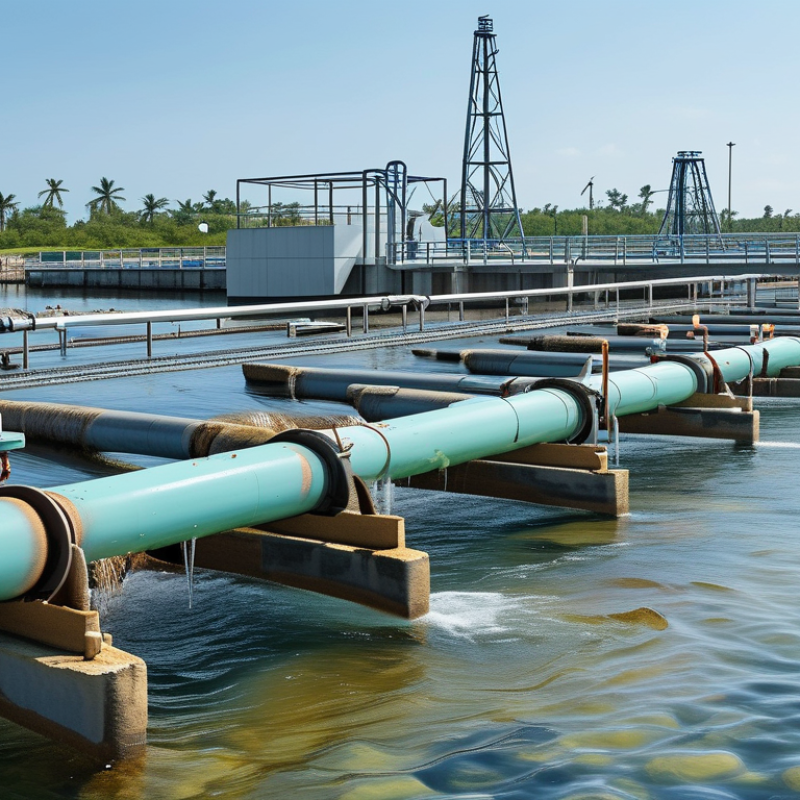
Overview of Seawater Desalination Pre-treatment Processes
Seawater desalination is crucial for addressing water scarcity. Before seawater is treated, pre-treatment processes are essential for optimal performance and efficiency. These processes help remove impurities, such as sediments, organic matter, and microorganisms. Effective pre-treatment enhances the lifespan of desalination membranes and reduces overall maintenance costs.
Common pre-treatment methods include microfiltration, coagulation, and flocculation. Microfiltration can effectively separate larger particles, while coagulation uses chemicals to bind smaller impurities. However, these methods come with challenges. For example, improper chemical dosing in coagulation may lead to inconsistent floc formation. It’s essential to monitor and adjust these processes continually.
Investing in innovative pre-treatment technologies can improve efficiency. Advanced oxidation processes and membrane bioreactors are gaining attention. Yet, these solutions must be evaluated for cost-effectiveness and energy consumption. Balancing performance with environmental impact is critical. Ongoing research is necessary to refine these systems for future applications.
Importance of Pre-treatment in Seawater Desalination Efficiency
Pre-treatment in seawater desalination is crucial for operational efficiency. It significantly impacts the lifespan of membrane systems. According to a study by the International Desalination Association, over 50% of desalination plants face issues related to membrane fouling due to inadequate pre-treatment. This can lead to increased operational costs and reduced freshwater yield.
Optimized pre-treatment methods, such as microfiltration and coagulation, can effectively reduce contaminants like suspended solids and organic matter. A report from the Water Research Foundation suggests that an effective pre-treatment can enhance the desalination process by up to 30%. However, many facilities still struggle with outdated techniques. This highlights a gap in industry practices that needs addressing. Continuous evaluation of these methods is essential for improvements.
Moreover, the choice of pre-treatment technology can influence energy consumption and chemical usage. Inadequate systems not only waste resources but also contribute to environmental concerns. The industry must strive for more sustainable options. As challenges persist, the importance of research and adaptation cannot be overstated. An emphasis on effective pre-treatment is essential for the future of seawater desalination.
Optimization of Pre-treatment Process for Seawater Desalination
Common Methods for Pre-treating Seawater Before Desalination
Pre-treating seawater before desalination is critical. This process removes contaminants and protects the desalination equipment. There are several common methods to achieve effective pre-treatment. Filtration is one of the most essential techniques. Microfiltration and ultrafiltration help eliminate suspended solids. These solids can cause fouling in reverse osmosis membranes. However, filtration systems require regular maintenance and monitoring to function optimally.
Chemical coagulation is another effective method. It involves adding chemicals to seawater to clump together impurities. This makes them easier to remove. While this technique can improve water quality, reliance on chemicals raises environmental concerns. It is imperative to use the right dosage to prevent issues. Overuse can lead to secondary pollutants. Therefore, continuous assessment of water quality is vital.
Another approach is sedimentation. This method allows larger particles to settle at the bottom of a tank. It is cost-effective but can be slow. The challenge lies in ensuring sufficient retention time. Inadequate sedimentation can result in a higher concentration of contaminants. To achieve optimal results, a combination of methods is often the best solution. Each method has its pros and cons. Understanding these helps in making informed decisions for efficient desalination.
Challenges in Seawater Pre-treatment and Solutions
The pre-treatment process in seawater desalination often faces significant challenges. According to a report by the International Desalination Association, nearly 80% of desalination plants encounter issues with biofouling and scaling. These problems lead to increased operating costs and decreased efficiency. Inadequate pre-treatment can result in membrane damage, necessitating expensive replacements.
Common pre-treatment methods include microfiltration and coagulation. However, they are not foolproof. For instance, microfiltration can struggle with smaller particulate matter, allowing it to pass through. The 2019 Global Water Intelligence report noted that nearly 25% of desalination failures were linked to ineffective pre-treatment strategies.
Innovative solutions promise improvements. Advanced oxidation processes and membrane bioreactor technologies are emerging as potential game-changers. However, their implementation often requires significant investment. As desalination demand increases, optimizing pre-treatment will be critical. Addressing these challenges could redefine efficiency in seawater desalination.
How to Optimize the Pre-treatment Process for Seawater Desalination? - Challenges in Seawater Pre-treatment and Solutions
| Challenge | Impact | Solution | Effectiveness |
| Biofouling | Reduces membrane efficiency, increases maintenance costs | Use of biocides and anti-fouling membranes | High; improves membrane lifespan |
| Particulate Matter | Clogs membranes, decreases flow rates | Sand filters and pre-filtration techniques | Moderate; increases overall pre-treatment efficiency |
| Organic Matter | Compromises water quality, requires frequent cleaning | Coagulation and sedimentation processes | Effective; improves clarity of feed water |
| Salinity Variability | Affects desalination efficiency and output | Advanced monitoring and adaptive treatment systems | High; ensures consistent performance |
Future Trends in Pre-treatment Technology for Desalination
The future of pre-treatment technology in seawater desalination looks promising yet challenging. Current methods face constraints in efficiency and sustainability. Traditional techniques, such as sedimentation and filtration, often struggle with high operational costs. These limitations urge researchers to explore more innovative solutions.
Advanced pre-treatment technologies, like membrane bioreactors, show potential. These systems can effectively remove organic matter and suspended solids. They offer increased removal rates and lower energy consumption. However, the scalability of such technologies remains a concern. Regulatory frameworks must also adapt to incorporate these advancements.
Another trend is the integration of artificial intelligence in monitoring pre-treatment processes. AI can analyze data in real-time to optimize operations. Automated systems could enhance efficiency while reducing human error. Yet, reliance on technology poses risks, chiefly data security issues. Balancing innovation and reliability will be essential for successful implementation. The evolution of pre-treatment technology will continue to shape the future of seawater desalination.
