Top Lighting Switch Options in China for Global Buyers?
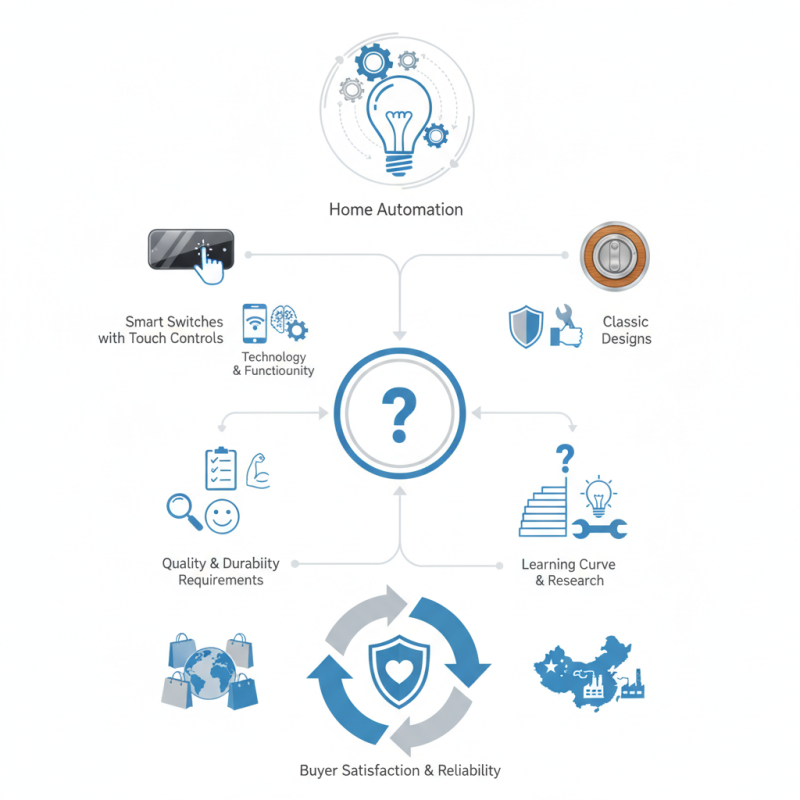
In the rapidly evolving world of home automation, selecting the right Lighting Switch is crucial. Global buyers seeking top lighting switch options in China need to consider various factors. The market offers a vast array of designs and functionalities tailored to diverse needs.
Lighting switches vary in aesthetics and technology. From smart switches with touch controls to classic designs, the choices are plentiful. However, not all products guarantee the same quality. Understanding the specific requirements for durability and ease of use is vital for any buyer.
Moreover, the learning curve associated with new technologies can pose a challenge. Some switches may require learning to operate effectively. Potential issues could arise without proper research. Thus, buyers must invest time in evaluating options to ensure satisfaction and reliability in their lighting switch purchases.
Top Lighting Switch Technologies Available in China for Export
When exploring lighting switch technologies in China, global buyers find a diverse range of options. Smart switches are growing in popularity due to their user-friendly features. These devices often incorporate wireless technology for remote control, enhancing convenience. Many consumers appreciate the energy-saving capabilities associated with smart switches. However, some users may feel overwhelmed by the complexity of setup and integration.
Another notable technology is the dimmer switch. This type allows users to adjust the brightness based on their mood or activity. It can create cozy environments for relaxation. Despite their benefits, dimmers sometimes present challenges with compatibility, especially with LED lighting. Buyers should research these potential issues before making a purchase.
Mechanical switches remain a staple in many households. They are straightforward and reliable. Their durability often appeals to those who prefer simplicity. However, mechanical switches can sometimes lack advanced features, which may not meet the needs of tech-savvy consumers. This limitation raises questions about future trends in consumer preferences as technology evolves.
Understanding the Chinese Market for Lighting Switches
Understanding the Chinese market for lighting switches presents unique challenges and opportunities. China's rapid urbanization fuels demand for innovative lighting solutions. Buyers must navigate a landscape filled with diverse manufacturers. The variety can be overwhelming, yet it allows for customized solutions to meet specific needs.
One important consideration is quality assurance. Many manufacturers are eager to provide samples. Testing these samples is crucial. Ensure that the products meet safety standards and performance benchmarks. It’s also wise to verify any certifications claimed by the suppliers.
Tips: Look for suppliers with strong customer support. This can indicate a commitment to quality. Engage in direct communication to discuss potential issues. Be ready to address language barriers. Not all manufacturers have fluent English speakers. Clear communication is vital for successful transactions.
Comparison of Local Brands vs International Brands in Lighting Switches
The lighting switch market in China presents diverse options for global buyers. Local brands often cater to specific regional needs. Their designs reflect traditional styles with modern functionality. This appeal can be significant in niche markets. However, these brands may lack international certifications. This can raise concerns among global buyers who prioritize safety and compliance.
On the other hand, international brands provide established reliability. They emphasize robust engineering and high-quality materials. Consumers often associate these products with long-lasting performance. Yet, these brands usually come at a higher price point. Some buyers may hesitate to invest without guarantees of genuine quality.
Both options have strengths and weaknesses worth considering. Local brands may offer innovative designs at competitive prices. But, be mindful of standards and warranties. International brands ensure compliance, yet can be less adaptable. Thorough research and comparisons will guide buyers toward the right choice. Familiarity with local preferences can also influence decisions. This understanding can help bridge potential gaps in quality and expectation.
Key Features to Consider When Sourcing Lighting Switches in China
When sourcing lighting switches in China, several key features must be considered. First, the quality of materials is crucial. High-quality switches often utilize durable plastics and metals. This ensures longevity and safety in various environments. Look for products that comply with international standards. Certifications can indicate that a switch meets specific safety criteria.
Another important aspect is the design. A well-designed switch can enhance the visual appeal of a space. Consider options that offer various finishes and styles. Some designs cater to minimalist aesthetics while others provide more decorative elements. Functional diversity is also essential. Switches should support multiple configurations, such as dimmers or smart technology. These features add versatility to your installations.
Lastly, sourcing reliability is key. Establishing a relationship with suppliers can improve your purchasing experience. Shipping times and customer service responsiveness are factors to reflect on. Some suppliers may not communicate effectively. This delay can affect your project timelines. It’s essential to prioritize suppliers with a proven track record.
Compliance and Quality Standards for Lighting Switches in China
When sourcing lighting switches in China, compliance and quality standards are crucial. The country produces a significant share of global lighting products, valued at over $30 billion annually, according to industry reports. Buyers must be aware of the standards set by organizations like the International Electrotechnical Commission (IEC) and the Chinese National Standards (GB). These ensure that lighting switches meet safety and performance criteria.
Understanding certification is vital. Many switches in China require specific compliance marks. These include CE, RoHS, and CCC certifications. Failing to recognize these requirements can lead to issues in import processes. Consistency in quality is often lacking among different manufacturers. Quality control practices vary widely, making it essential to conduct thorough factory audits.
Tips: Always request product samples before finalizing orders. Inspect for material quality and electrical performance.
Another key aspect is material sourcing. Some manufacturers use inferior components to cut costs. This can result in higher risk of malfunction. Short-lived switches lead to unsatisfied customers and increased returns. Industry insiders recommend relying on well-established suppliers with proven track records. Being vigilant in supplier selection can save complications and enhance product reliability.
Tips: Engage with suppliers directly to understand their quality assurance processes. Track performance metrics for future improvements.
Top Lighting Switch Options in China for Global Buyers