How to Get Started in Experimental Aviation: A Beginner's Guide
Experimental aviation is an exciting and rapidly evolving field that attracts enthusiasts eager to explore the boundaries of flight. According to renowned experimental aviator and instructor John Doe, “Getting started in experimental aviation offers a unique opportunity to blend innovation with personal passion, allowing every pilot to create their own flying experience.” This statement encapsulates the spirit of experimental aviation, where creativity and engineering prowess converge to push the limits of what is possible in flying.
For beginners looking to venture into this exhilarating world, understanding the foundational aspects of experimental aviation is crucial. From selecting the right aircraft to mastering the principles of design and safe operation, aspiring aviators must navigate through a myriad of choices and information. With the right guidance and knowledge, new pilots can embark on their journey to not only fly but also contribute to the vibrant community dedicated to innovation in aviation.
In this beginner's guide, we will delve into the essential steps for anyone interested in experimental aviation. We will cover key topics such as regulations, choosing the appropriate kit or plans, and the importance of joining local flying clubs. Whether you dream of building your own aircraft or simply want to experience the thrill of flight, this guide will provide the necessary insights to help you take your first steps into the captivating world of experimental aviation.

Understanding Experimental Aviation: Key Concepts and Definitions
Experimental aviation represents a unique segment of the aerospace industry that allows enthusiasts to build, modify, and fly aircraft they often design themselves. According to the Experimental Aircraft Association (EAA), there are over 30,000 experimental aircraft registered in the United States alone, which illustrates a vibrant community eager to explore aviation's possibilities. These aircraft can encompass a wide range of designs, from light sport aircraft to innovative homemade models, all governed by specific regulations that differ from standard general aviation.
Key definitions in experimental aviation include the term "experimental" itself, which refers to aircraft that are not yet certified by the Federal Aviation Administration (FAA) and are often used for purposes such as research and development. The FAA classifies these aircraft into categories based on their intended use, which can include airworthiness testing or educational demonstrations.
A recent report from the National Transportation Safety Board indicates that, while the safety record for experimental aircraft is improving, understanding the inherent risks is crucial. Operators must be knowledgeable about their aircraft's capability and limits, as nearly 80% of accidents in this category stem from pilot error, emphasizing the need for thorough training and experience in the field.
Essential Regulations and Safety Standards for Experimental Aircraft
When embarking on a journey into experimental aviation, understanding essential regulations and safety standards is paramount. According to the Experimental Aircraft Association (EAA), as of 2023, there are over 25,000 registered experimental aircraft in the U.S., highlighting the popularity and importance of adhering to safety protocols. The Federal Aviation Administration (FAA) categorizes experimental aircraft under Section 21.191, which governs aircraft eligibility and ensures compliance with stringent airworthiness standards. These regulations are vital in mitigating risks associated with non-commercial aviation operations.
The safety standards for experimental aircraft are further emphasized in industry reports indicating that more than 70% of accidents in general aviation can be attributed to pilot error or equipment malfunction. Consequently, experimental aviators are encouraged to participate in comprehensive training programs and familiarize themselves with the specific operating limitations of their aircraft. It is crucial for builders and operators to engage with community resources like the EAA's safety seminars and pilot workshops, which foster a culture of safety and continuous learning within the experimental aviation space. Emphasizing regulatory compliance and personal accountability can significantly enhance safety and minimize the risks associated with flying experimental aircraft.
Overview of Experimental Aircraft Safety Standards
Choosing the Right Aircraft Kit for Beginners in Experimental Aviation
Choosing the right aircraft kit is crucial for beginners in experimental aviation, as it sets the foundation for a successful building experience. Beginners should consider several factors when selecting a kit, including their skill level, budget, and the amount of time they can dedicate to the project. Some kits are designed for those with minimal experience, offering more pre-manufactured parts and detailed instructions, while others may require advanced skills and extensive knowledge of aircraft construction.
Another essential aspect is the type of aircraft one wishes to fly. It's beneficial to research the types of planes that meet your flying goals—whether for leisure, sport, or achieving specific performance characteristics. Reading reviews and engaging with communities of builders can provide valuable insights into which kits deliver the best flying experiences and ease of assembly. Ultimately, selecting the right kit involves balancing personal preferences with practical considerations, ensuring that the construction journey is both enjoyable and fulfilling.
How to Get Started in Experimental Aviation: A Beginner's Guide - Choosing the Right Aircraft Kit for Beginners in Experimental Aviation
| Aircraft Type |
Difficulty Level |
Estimated Build Time |
Cost Range |
Recommended Use |
| Light Sport Aircraft |
Easy |
300 - 500 hours |
$15,000 - $30,000 |
Recreational flying |
| Experimental Trike |
Beginner |
200 - 400 hours |
$10,000 - $25,000 |
Leisure and short trips |
| Wooden Airplanes |
Moderate |
500 - 700 hours |
$20,000 - $40,000 |
Aerobatics and sport |
| Metal Aircraft Kits |
Advanced |
800 - 1200 hours |
$30,000 - $70,000 |
Cross-country travel |
| Ultralight Aircraft |
Easy |
100 - 200 hours |
$5,000 - $15,000 |
Short flights and fun |
Fundamentals of Flight Training and Certification for Experimental Pilots
When embarking on a journey in experimental aviation, understanding the fundamentals of flight training and certification is crucial for aspiring pilots. One of the best starting points is enrolling in a comprehensive flight training course that covers everything from basic concepts to advanced flying techniques. Such courses often encompass ground school training, which is essential for passing examinations that lead to obtaining a pilot's license. With the rise of online learning, many now have access to flexible IFR ground schools that eliminate the need for scheduled classes, making it easier to manage training around personal schedules.
For those interested in experimental aircraft, it's also important to stay updated on the latest industry developments. The introduction of Sport Pilot 2.0 has created new opportunities for a wider audience to engage in flight training, specifically designed to support the growing popularity of sport aircraft. Additionally, as technology continues to evolve, training programs that include the basics of drone operation can be beneficial for aspiring pilots, particularly with FAA certification becoming increasingly relevant. This well-rounded knowledge will not only aid in achieving certification but also foster a deeper appreciation for the innovative aspects of experimental aviation.
Establishing an Experimental Aircraft Community: Resources and Support Networks
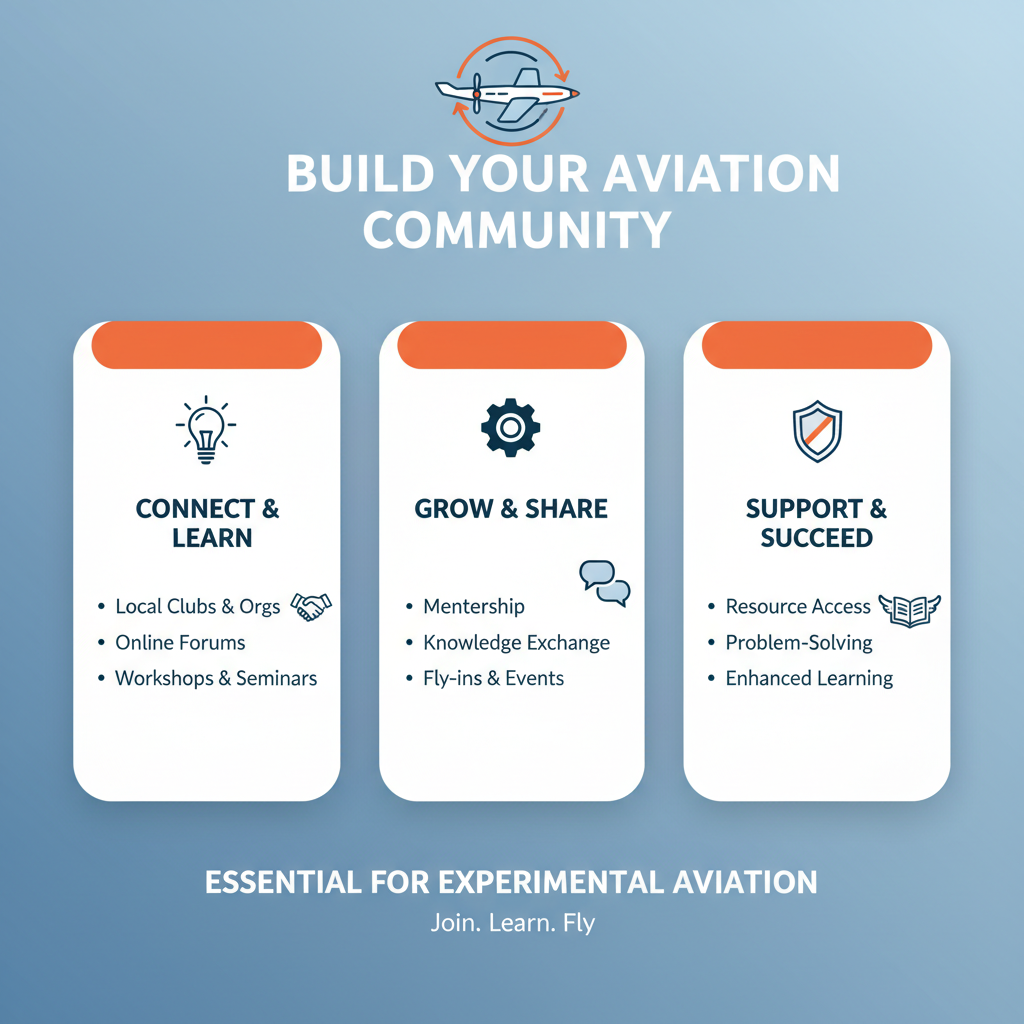
Establishing a vibrant community is essential for anyone interested in experimental aviation. These communities provide valuable resources, mentorship, and a support network that can significantly enhance the learning experience for beginners. One of the best ways to connect with like-minded individuals is to join local experimental aircraft organizations, clubs, or online forums. These platforms often host workshops, fly-ins, and seminars that cover various aspects of building and flying experimental aircraft, enabling members to share knowledge and experiences.
In addition to local meetups, engaging with online communities is becoming increasingly popular. Many websites and social media groups focus on experimental aviation, offering forums for discussion, advice, and even troubleshooting tips from seasoned builders and pilots. Active participation in these groups not only helps in acquiring technical skills but also fosters friendships and partnerships that can be invaluable throughout one’s experimental aviation journey. Whether through local gatherings or online platforms, building a support network is a crucial step in navigating the exciting world of experimental aviation.