What is Fuel System Aviation and How Does It Impact Flight Safety
The fuel system aviation is a critical component of any aircraft's operational integrity, directly influencing flight safety and efficiency. According to the International Air Transport Association, approximately 30% of commercial aircraft incidents are attributed to fuel system-related issues, highlighting the importance of robust fuel management in aviation. The aviation fuel system is not only responsible for storing and delivering fuel to the engines but also plays a key role in monitoring fuel quality, thereby ensuring optimal performance. Reports from the Federal Aviation Administration indicate that incidents involving fuel contamination or malfunctions can lead to serious in-flight emergencies, emphasizing the necessity of stringent maintenance protocols and advanced fuel system technology.
Moreover, advancements in fuel system aviation are crucial as the industry moves towards more sustainable practices. The adoption of alternative fuels has increased the complexity of fuel systems, necessitating updated standards and regular assessments to safeguard air travel. With the global aviation market projected to recover and grow post-pandemic—forecasting an increase in passenger traffic by 4.6% annually through 2039—investments in innovative fuel system technologies are vital to enhancing operational safety. As the aviation sector evolves, understanding the implications of fuel system aviation on flight safety becomes paramount for building a secure and efficient future for air travel.

Understanding Fuel System Aviation and Its Components
Fuel system aviation plays a critical role in the overall functioning of an aircraft. At its core, the fuel system is responsible for storing, managing, and delivering fuel to the engines. This system comprises several essential components, including fuel tanks, pumps, filters, and lines that connect these parts. Each element is designed to ensure that the fuel reaches the engines efficiently and safely, mitigating the risk of malfunctions during flight.
The design of the fuel system needs to accommodate various operational conditions, such as changes in temperature and pressure, which can affect fuel density and performance. Moreover, redundancy is a key feature that enhances flight safety; multiple fuel tanks or pumps can provide backup options in case one component fails. The effective filtration of contaminants is also crucial, as impurities in the fuel can lead to engine failure or decreased efficiency. Regular maintenance and inspection protocols are implemented to ensure the integrity of the fuel system, minimizing risks associated with fuel delivery and contributing to safer flying experiences.
The Role of Fuel in Aircraft Performance and Safety
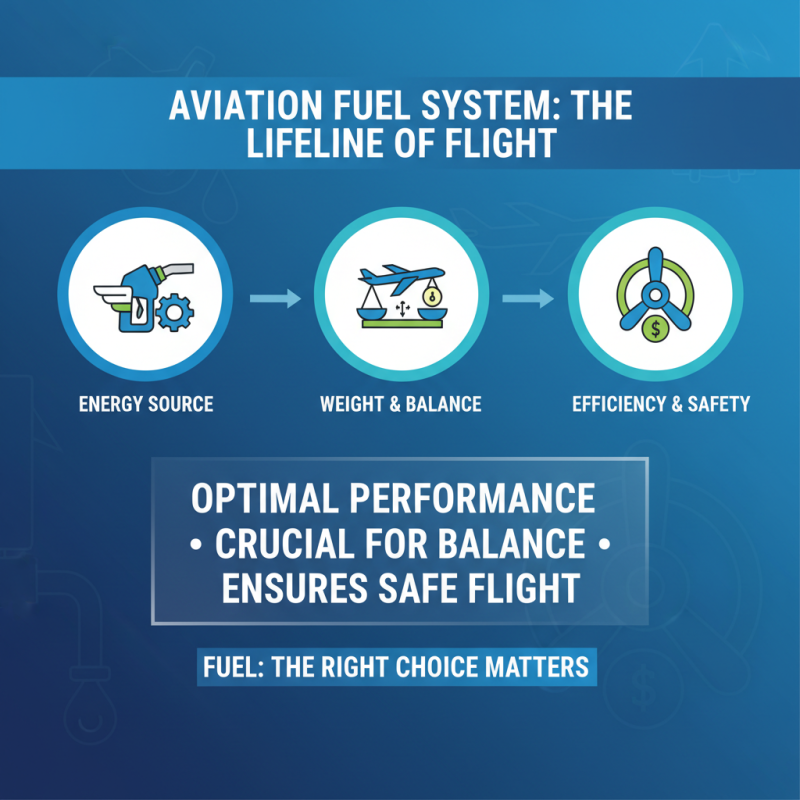
The fuel system in aviation plays a crucial role in ensuring that aircraft perform optimally and safely. Fuel is not only the source of energy for flight but also influences various aspects of an aircraft's operation, including its weight, balance, and overall efficiency. The right type of fuel must be carefully selected to meet the specific requirements of every aircraft, as improper fuel can lead to reduced performance, unanticipated complications, and potential safety concerns.
In addition to performance, the impact of fuel management on safety cannot be overstated. Effective fuel system management involves monitoring fuel levels, quality, and distribution throughout the aircraft. Any discrepancies in fuel supply can result in engine malfunctions, leading to emergencies in flight. Furthermore, modern aircraft are equipped with sophisticated fuel systems designed to minimize the risk of leaks and contamination, ensuring the safe operation of engines. Proper training and adherence to standard operating procedures related to fuel are essential for aviation professionals to maintain overall flight safety and reliability.
Common Fuel System Failures and Their Consequences
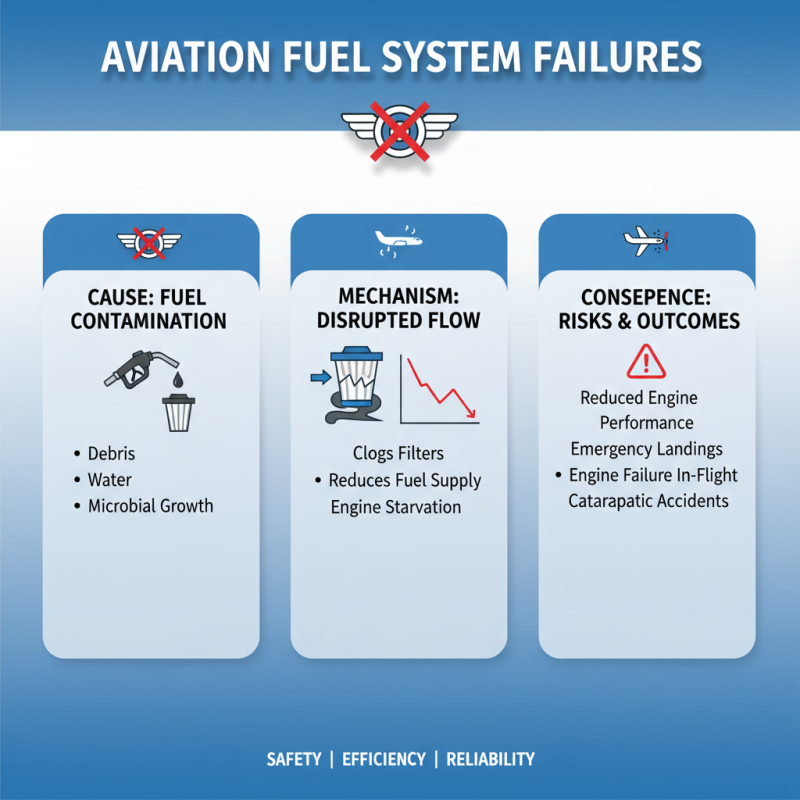
Fuel system failures in aviation can lead to serious consequences, impacting both safety and operational efficiency. One common type of failure is fuel contamination, which can occur due to debris, water, or microbial growth in the fuel system. Such contamination can clog filters or disrupt fuel flow, resulting in reduced engine performance or even engine failure during flight. The inability to maintain a consistent fuel supply puts aircraft at risk, often leading to emergency landings or, in severe cases, catastrophic accidents.
Another prevalent issue is the failure of fuel pumps, which are critical for delivering fuel from tanks to engines. If a pump malfunctions, the aircraft may experience fuel starvation, causing engines to lose power. This situation demands immediate corrective actions from pilots, who must swiftly manage fluctuating power levels and may need to divert to the nearest airfield. Additionally, fuel leaks can pose fire hazards and threaten overall flight integrity, potentially endangering both passengers and crew. Understanding these common fuel system failures and their implications is essential for enhancing flight safety and ensuring that aviation remains a secure mode of transportation.
Maintenance Practices for Ensuring Fuel System Integrity
Maintaining the integrity of aviation fuel systems is crucial for ensuring flight safety. A robust fuel system is essential in preventing contamination, which can lead to engine failure or performance issues. According to the Federal Aviation Administration (FAA), fuel contamination contributes to approximately 20% of general aviation accidents. This underscores the necessity of diligent maintenance practices aimed at preserving fuel system integrity.
Regular inspections and adherence to stringent maintenance schedules are key components in safeguarding fuel systems. For instance, the International Air Transport Association (IATA) recommends that airlines implement structured fuel quality control procedures, including regular testing for microbial growth and water contamination. Studies have shown that up to 10% of fuel samples can harbor microbial contamination if not regularly checked. Furthermore, maintaining proper drainage in fuel tanks and utilizing filtration systems can significantly reduce potential risks. By adhering to these industry best practices, aviation stakeholders can mitigate safety risks and ensure the reliable operation of aircraft engines.
What is Fuel System Aviation and How Does It Impact Flight Safety - Maintenance Practices for Ensuring Fuel System Integrity
| Maintenance Practice |
Frequency |
Description |
Impact on Flight Safety |
| Visual Inspection |
Daily |
Inspect fuel lines and connections for leaks and wear. |
Prevents fuel loss and reduces risk of fire. |
| Filter Replacement |
Every 500 flight hours |
Check and replace fuel filters to ensure clean fuel supply. |
Reduces contamination risks and engine failures. |
| Fuel System Testing |
Annually |
Conduct tests for leaks, pressure, and fuel quality. |
Ensures system integrity and reliability during flight. |
| Corrosion Prevention |
Biannually |
Apply protective coatings to fuel tanks and pipes. |
Protects against fuel system failures due to corrosion. |
| Tank Cleaning |
Every 2 years |
Remove sludge and debris from fuel tanks. |
Maintains fuel quality and engine performance. |
The Future of Aviation Fuel Systems and Safety Enhancements
The future of aviation fuel systems is poised for significant advancements that will enhance flight safety and efficiency. According to the International Air Transport Association (IATA), concerns regarding environmental impact are driving the adoption of sustainable aviation fuels (SAFs), which not only reduce carbon emissions but also improve fuel system reliability. The integration of these advanced fuels into existing systems presents challenges, particularly in materials compatibility and performance under various operating conditions. Emphasizing the importance of rigorous testing and certification processes, industry reports highlight that SAFs must meet stringent safety standards to prevent any adverse effects during flight operations.
In addition to fuel composition, the evolution of fuel delivery systems will play a critical role in enhancing safety. Innovations such as real-time monitoring systems and predictive maintenance technologies are becoming essential. A report by the Federal Aviation Administration (FAA) indicates that implementing these technologies can potentially reduce the risk of fuel-related incidents by up to 30%. Furthermore, the development of automated systems for fuel management will ensure more precise control over fuel supply, reducing the likelihood of human error. As aviation fuel systems continue to advance, prioritizing safety enhancements will be vital for maintaining the integrity of flight operations and ensuring passenger safety.