What is Experimental Aviation and its Impact on the Future of Flight?
Experimental aviation plays a pivotal role in shaping the future of flight. This innovative field pushes the boundaries of design and technology. It enables engineers and pilots to explore new ideas that traditional aviation may overlook. From electric planes to autonomous systems, experimental aviation tests concepts that could revolutionize how we fly.
However, not every project succeeds. Failures happen, and they can be costly. Each setback teaches valuable lessons, prompting further exploration and refinement. There are risks involved, and safety must remain a top priority. As we advance, we must also address the environmental impacts of new technologies.
The promise of experimental aviation is immense. It challenges us to rethink air travel and sustainability. Successes could lead to more efficient, eco-friendly aircraft. It is essential to approach this field with both excitement and caution. The journey toward a new era of flight is underway, but vigilance is key.
Definition of Experimental Aviation and Its Key Characteristics
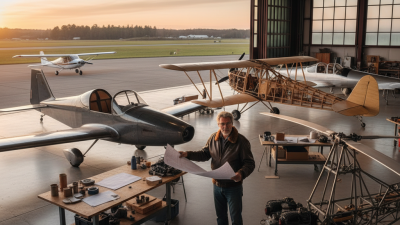
Experimental aviation encompasses the design and testing of innovative aircraft. It allows engineers and pilots to explore new technologies and concepts. These tests often happen outside standard regulations. This freedom can lead to breakthroughs. However, it also requires careful planning and safety measures.
Key characteristics define experimental aviation. First, there's the focus on innovation. Aircraft often feature unique designs or materials. Second, the testing process is rigorous. Pilots must evaluate performance and handling. Data collected during flights helps refine aircraft designs. Often, the outcomes are unpredictable, leading to potential risks.
Tips: Always prioritize safety when testing new designs. Keep open communication among all team members. Document every flight detail for better analysis. Embrace failures as learning opportunities. Sometimes, the unexpected results teach the most valuable lessons in aviation.
Historical Development of Experimental Aviation and Pioneering Projects
Experimental aviation has a rich history marked by groundbreaking projects. From the early days of flight to modern innovations, many pioneers faced numerous challenges. These projects often pushed the boundaries of engineering. They explored new materials and designs, many times leading to failures. However, each setback provided valuable lessons for future endeavors.
One notable achievement was the development of experimental aircraft that tested advanced aerodynamics. These aircraft allowed engineers to gather vital data. As these experiments progressed, groundbreaking technologies emerged. Each project was a stepping stone to new capacities in flight. Yet, not every venture has been a success. Some designs were overly ambitious, falling short of expectations. Reflecting on these failures helps innovators reassess their approaches.
Tips: Maintain a balance in experimentation. It’s essential to learn from mistakes. Documenting failures can lead to future success. Collaboration among engineers and pilots can spark innovative ideas. Embracing each project’s lessons makes a substantial impact on aviation’s future.
Innovative Technologies Evolved Through Experimental Aviation Practices
Experimental aviation is at the forefront of flight innovation. Pilots and engineers often push boundaries. They explore new technologies and methods, leading to significant advancements. These innovations bring both excitement and challenges. Testing novel ideas can lead to failures. Each setback provides valuable lessons for future designs.
One striking development is electric propulsion. Aircraft using electric engines show promise for reducing emissions. However, battery technology still lags. Energy density limits performance. Some prototypes struggle with range and weight issues. Yet, the potential for greener aviation keeps researchers motivated.
Another area of exploration is autonomous flight. Drones have pioneered this field, showcasing incredible capabilities. But, safety concerns remain. Navigating crowded airspaces poses risks. Developing regulatory frameworks is essential. Balancing innovation with safety is a delicate task. Experimental aviation serves as a testing ground for these ambitious concepts. The future of flight depends on these daring pursuits.
The Role of Experimental Aviation in Modern Aerospace Industry
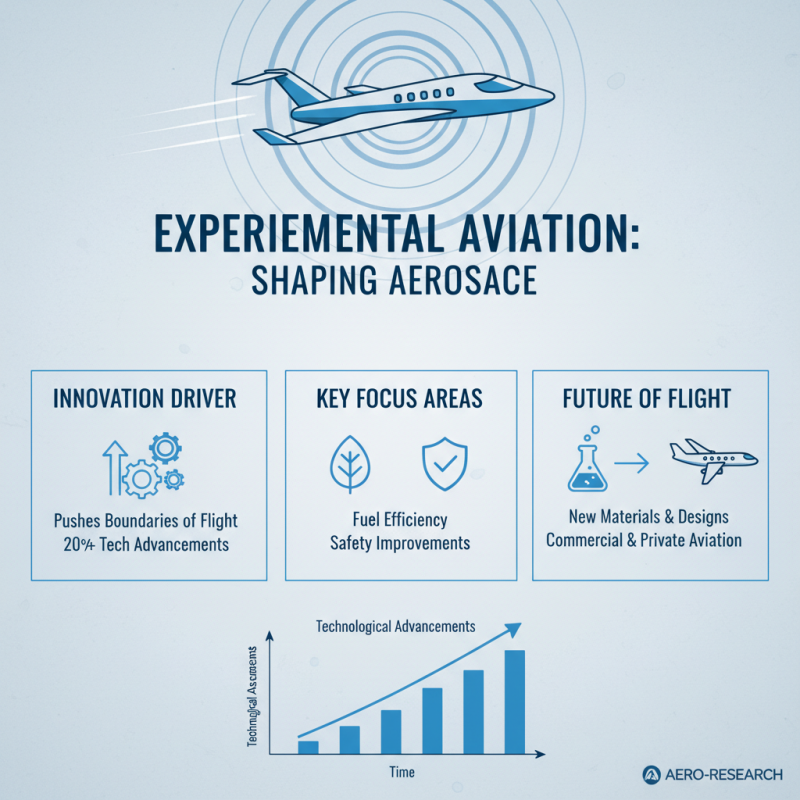
Experimental aviation plays a crucial role in shaping the modern aerospace industry. This sector drives innovation, pushing boundaries of what is possible in flight. According to industry reports, experimental aircraft have contributed to over 20% of recent technological advancements in aerospace. These innovations often focus on fuel efficiency and safety improvements. New materials and designs are tested through experimental flights, paving the way for future commercial and private aviation.
However, the journey is not without challenges. Developing new aircraft can lead to unexpected safety issues during testing. Data shows that nearly 15% of experimental aviation projects face delays due to regulatory hurdles. Striking a balance between innovation and safety remains a constant struggle. The learning curve is steep, and some projects have required significant revisions after initial test flights.
Despite these challenges, the impact of experimental aviation is profound. Projects often lead to breakthroughs like electric propulsion technologies and autonomous flight systems. Reports indicate that by 2030, 30% of new aircraft designs may incorporate concepts first tested in experimental aviation. This progress demonstrates the potential for revolutionizing air travel while also reminding us of the complex path ahead. It’s a blend of risk and reward, urging the industry to reflect on its practices.
Future Prospects: How Experimental Aviation Could Shape Flight Technology
Experimental aviation represents a frontier in flight technology. It explores innovative designs, materials, and systems. These experimental aircraft often push the boundaries of what we know about aerodynamics. They are not just about speed; they focus on efficiency and safety, too. New concepts like electric propulsion are emerging. These could revolutionize sustainable flight.
Tips: Always look for local aviation clubs. They often host workshops. These can provide hands-on experience with experimental projects.
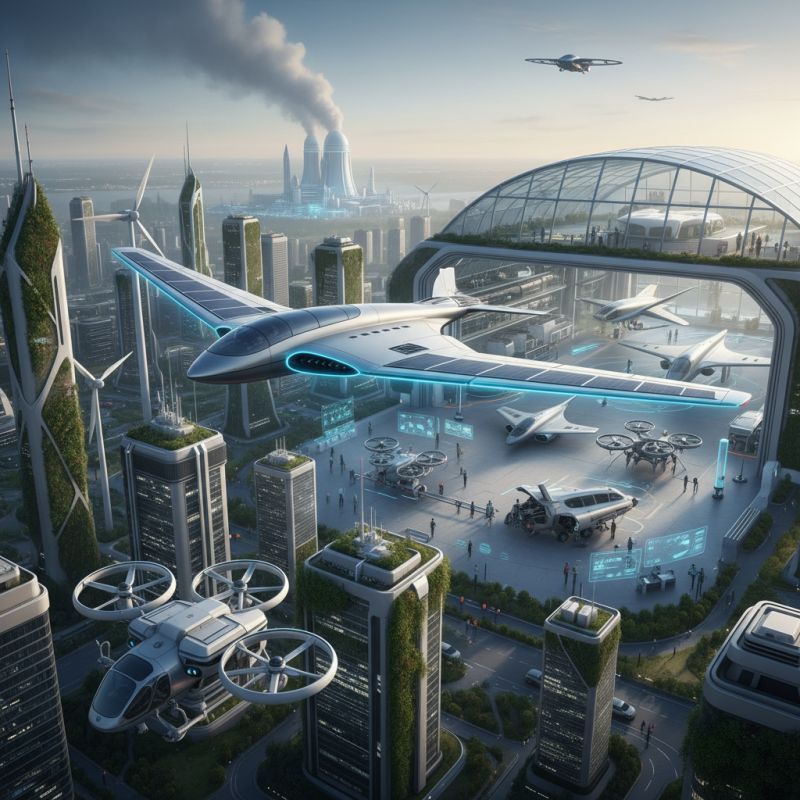
Looking ahead, experimental aviation may change our airports and air traffic. Imagine smaller, personal drones transporting people. This could reduce congestion at airports. However, integrating such technologies presents challenges. Regulations may struggle to keep up with advancements. There’s a need for careful consideration of safety standards.
Tips: Keep an eye on aviation regulations. They shape the future of flight. Understanding these will help you navigate this evolving field.
Impact of Experimental Aviation on Flight Technology