10 Essential Tips for Understanding Aircraft Systems Effectively
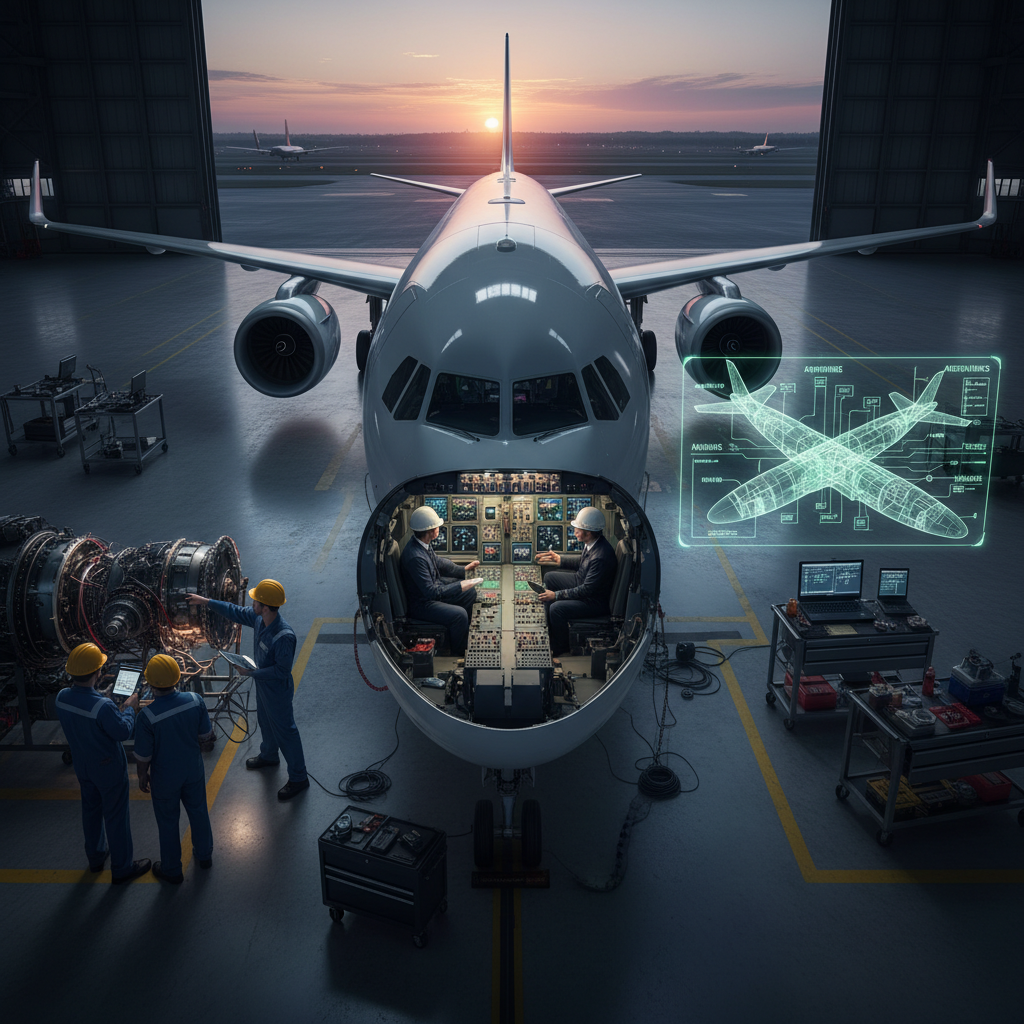
Understanding aircraft systems is crucial for anyone involved in aviation, whether you are a pilot, engineer, or aviation enthusiast. The complexity and sophistication of modern aircraft demand a solid grasp of how these systems work together to ensure safety, efficiency, and performance. In this guide, we will explore ten essential tips that can enhance your comprehension of aircraft systems, providing you with the knowledge needed to navigate the intricate web of components that make up an aircraft.
From aerodynamics to avionics, each system plays a pivotal role in the overall functionality of the aircraft. By breaking down the fundamental principles and operational mechanisms of these systems, we aim to equip you with practical insights that will improve your ability to analyze and respond to various situations in an aircraft.
Whether you are preparing for a flight, conducting maintenance, or simply expanding your understanding of aviation technology, these tips will serve as valuable tools in your journey to mastering the intricacies of aircraft systems.
Understanding Aircraft Systems: Key Components and Their Functions
Understanding aircraft systems is crucial for anyone involved in aviation, whether as a pilot, technician, or enthusiast. Key components such as propulsion, electrical, and hydraulic systems play vital roles in the aircraft's overall functionality. According to a report by the International Air Transport Association (IATA), effective understanding and maintenance of these systems can enhance safety and reliability, contributing to a 20% reduction in operational disruptions.
The propulsion system, for instance, is not just about generating thrust; it includes the engine, fuel systems, and exhaust systems. The Federal Aviation Administration (FAA) emphasizes that understanding engine performance metrics is essential for optimizing fuel efficiency and minimizing environmental impact. Additionally, the electrical system's complexity cannot be overlooked, with modern aircraft relying on sophisticated avionics for navigation and communication, which accounted for 35% of the overall aircraft maintenance cost in 2022 as reported by Aviation Week.
Hydraulic systems, powering everything from landing gear to flight controls, are equally vital. A study from the Society of Automotive Engineers (SAE) indicated that improper knowledge of hydraulic systems can lead to increased maintenance costs and potential failures. By grasping the functions of these fundamental systems, aviation professionals can ensure better performance and safety in aircraft operations.
Understanding Aircraft Systems: Key Components and Their Functions
The Role of Avionics: Integrating Technology for Flight Safety

Avionics play a crucial role in modern aircraft systems, serving as the backbone of technological integration that enhances flight safety. By combining various electronic systems, avionics provides pilots with critical information needed for navigation, communication, and monitoring of multiple aircraft functions. The seamless integration of these technologies not only minimizes human error but also enables more efficient decision-making during flight operations.
Moreover, advancements in avionics technology, such as automated systems and real-time data processing, have revolutionized cockpit operations. These systems allow for better situational awareness, as pilots receive instant feedback on aircraft performance and environmental conditions. Features such as terrain awareness and meteorological data further contribute to safety by preventing accidents in challenging flight scenarios. Understanding how avionics interact with other aircraft systems is essential for anyone involved in aviation, as it lays the foundation for enhancing both performance and safety in the skies.
Hydraulic Systems: Principles and Importance in Aircraft Operations
Hydraulic systems play a crucial role in the operation of aircraft, providing the necessary power to control various flight mechanisms efficiently. These systems utilize fluid pressure to transmit power, enabling the activation of critical components such as landing gear, brakes, and flight control surfaces. Understanding the principles of hydraulics is essential for maintaining the reliability of these systems, as they operate under significant stress and demand precision engineering.
The importance of hydraulic systems in aircraft cannot be overstated. They not only enhance the overall performance of the aircraft but also contribute significantly to safety measures in flight operations. For instance, hydraulic actuators allow for quick and precise adjustments to control surfaces, improving the aircraft's responsiveness during various phases of flight. Additionally, redundancy in hydraulic design ensures that even if one system fails, the aircraft has backup systems in place to maintain control. Familiarity with the layout, function, and maintenance of hydraulic systems is therefore vital for anyone involved in aircraft operations and engineering.
10 Essential Tips for Understanding Aircraft Systems Effectively - Hydraulic Systems: Principles and Importance in Aircraft Operations
| Tip Number |
Understanding Aspect |
Description |
Importance in Operations |
| 1 |
Basic Hydraulic Principles |
Hydraulic systems operate on Pascal's principle, where pressure applied to a confined fluid is transmitted equally in all directions. |
Essential for understanding how force is transmitted within the system. |
| 2 |
Components of Hydraulic Systems |
Key components include pumps, actuators, reservoirs, and valves that work together to control hydraulic flow and pressure. |
Understanding components is vital for diagnosing issues and performing maintenance. |
| 3 |
Fluid Selection |
Choosing proper hydraulic fluid is crucial for system performance, affecting viscosity and pressure handling. |
Improper fluid can lead to system failures and safety hazards. |
| 4 |
Pressure Monitoring |
Regular monitoring of pressure levels using gauges helps to identify leaks or blockages in the system. |
Critical for ensuring safe aircraft operation. |
| 5 |
System Troubleshooting |
Having a robust troubleshooting process helps identify faults quickly. |
Minimizes downtime and enhances safety. |
| 6 |
Maintenance Schedule |
Adhering to a strict maintenance schedule is essential for hydraulic systems. |
Prolongs the life of the system and enhances reliability. |
| 7 |
Understanding Safety Procedures |
Familiarity with safety procedures and emergency protocols is crucial. |
Protects personnel and equipment during hydraulic system failures. |
| 8 |
Performance Indicators |
Monitoring performance indicators helps assess system efficiency. |
Enables proactive maintenance and operational adjustments. |
| 9 |
Training and Certification |
Engaging in ongoing training ensures personnel are up to date with the latest practices. |
Enhances safety and operational efficiency. |
| 10 |
Documentation and Record Keeping |
Maintaining accurate records of hydraulic system operations and maintenance is vital. |
Assists in compliance and retrospective analysis of system performance. |
The Significance of Fuel Management Systems in Optimizing Performance
Effective fuel management systems are crucial for optimizing aircraft performance, impacting both efficiency and safety. Recent industry reports indicate that fuel costs can account for approximately 30% of an airline's total operating expenses. By implementing advanced fuel management systems, airlines can reduce fuel consumption by up to 15%, significantly affecting their bottom line. These systems utilize real-time data analytics to monitor fuel levels, consumption patterns, and operational efficiency, enabling more accurate flight planning and execution.
In the context of environmental sustainability, optimized fuel management not only reduces operational costs but also minimizes carbon emissions. According to the International Air Transport Association (IATA), optimizing flight paths and implementing better fuel management can lead to a reduction of up to 1 billion tons of CO2 emissions by 2030. Thus, understanding and effectively managing fuel systems is not just a financial imperative but also a commitment to greener aviation practices. As the industry evolves, the importance of sophisticated fuel management systems will continue to grow, ensuring that airlines meet performance, regulatory, and environmental goals.
Understanding Electrical Systems: Power Distribution and Backup Mechanisms
Understanding electrical systems in aircraft is crucial for effective operation and safety management. Power distribution is the backbone of an aircraft’s electrical system, ensuring that all critical components receive the necessary voltage and current. This system typically consists of a network of wires, circuit breakers, and distribution buses that connect various electrical loads. Each component must be carefully monitored and maintained to prevent failures that could jeopardize flight safety.
Familiarity with the layout and functionality of these elements enhances a technician's ability to troubleshoot and resolve issues promptly.
In addition to power distribution, backup mechanisms play a vital role in aircraft electrical systems. These redundancies are designed to ensure reliable operation even when a primary system fails. Common backup methods include supplementary batteries, alternate power sources, and additional wiring paths that can take over seamlessly in case of an electrical failure. Understanding the interplay between primary and backup systems is essential for assessing potential vulnerabilities and ensuring that the aircraft is equipped to handle unforeseen power disruptions, thereby maintaining safe and continuous operation throughout the flight.