Top 10 Essential Aircraft Systems Every Pilot Should Understand
Understanding the intricate components that make up modern aircraft systems is a crucial aspect of a pilot's training. As aviation expert Dr. Emily Carter aptly put it, "A pilot's mastery over aircraft systems not only ensures safe operations but also enhances the overall flight experience." For aspiring and seasoned pilots alike, knowledge of these systems goes beyond mere technical competence; it embodies a commitment to safety and efficiency in the skies.
In today's complex aviation environment, familiarity with these essential aircraft systems is vital. They encompass various functions, from navigation and communication to propulsion and flight controls, significantly influencing flight performance and safety. A comprehensive understanding of these systems allows pilots to troubleshoot issues effectively and make informed decisions during flight operations. Therefore, delving into the top ten essential aircraft systems every pilot should grasp is not just beneficial—it's imperative for both personal growth and the overall safety of aviation as a profession.
Essential Overview of Aircraft Systems for Pilots
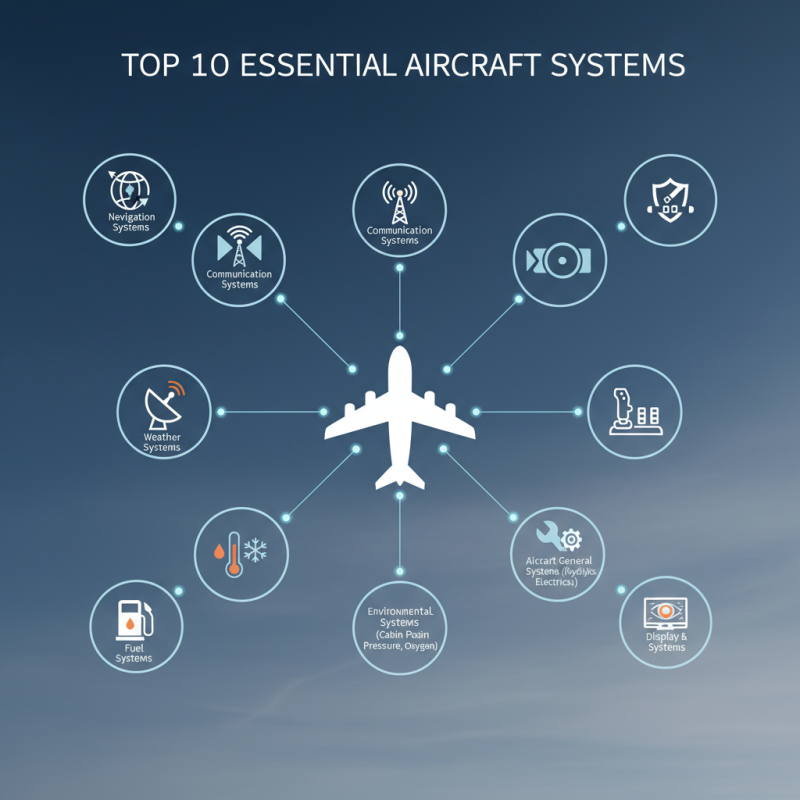
Understanding the essential aircraft systems is crucial for pilots to operate effectively and ensure safety in flight. Aircraft systems encompass various components that work together to control the aircraft's performance, navigation, and safety.
Among the most critical systems are the flight control system, which includes ailerons, elevators, and rudders, allowing pilots to maneuver the aircraft, and the propulsion system, which is vital for generating thrust. Recognizing how these systems function and their interdependencies enables pilots to make informed decisions during all phases of flight.
Additionally, pilots should familiarize themselves with the electrical and fuel systems of their aircraft. The electrical system powers vital instruments and controls, making it essential for operational integrity. Understanding fuel management is equally important; pilots must know fuel flow, tank management, and how to maintain optimal performance levels in varying conditions.
Other systems, such as environmental controls and navigation aids, contribute significantly to the overall flying experience and pilot efficiency. A comprehensive understanding of these core systems not only enhances a pilot's operational knowledge but also prepares them to troubleshoot potential issues that may arise during flight.
Understanding Avionics: Key Components and Their Functions
Avionics play a crucial role in modern aviation, integrating various electronic systems that are essential for navigating and operating aircraft safely and efficiently. Key components of avionics include flight management systems (FMS), navigation systems such as GPS, and communication systems. According to a report by Research and Markets, the global avionics market is projected to reach $75 billion by 2026, driven by the increasing demand for advanced aircraft technologies and safety measures. Understanding these systems is imperative for pilots, as they rely on accurate data for situational awareness and decision-making in flight operations.
One of the essential components, the flight management system (FMS), automates the flight planning process, allowing pilots to focus on monitoring the aircraft's performance rather than manual navigation. The FMS integrates various inputs, such as weather data and air traffic information, to optimize routes and ensure safe arrivals. Additionally, communication systems, including satellite communication (SATCOM) and automatic dependent surveillance-broadcast (ADS-B), provide real-time updates and enhance coordination with air traffic control. As per the FAA, effective use of these technologies can significantly reduce the risk of miscommunication and improve overall operational efficiency in the aviation industry. Understanding these critical avionics components is vital for pilots to ensure they can navigate the complexities of modern air travel safely.
Flight Control Systems: The Backbone of Stabilized Flight
Flight control systems are critical components in aviation that ensure safe and stabilized flight operations. At the core of these systems is the ability to manage an aircraft's orientation, altitude, and heading. Traditional flight control systems rely on mechanical linkages and input from the pilot to manipulate control surfaces such as ailerons, elevators, and rudders. These systems provide instant feedback and direct control, allowing pilots to respond swiftly to changing flight conditions and maintain desired flight parameters.
Modern aircraft, however, increasingly utilize fly-by-wire technology, which replaces conventional mechanical systems with electronic controls and computer algorithms. This advancement enhances the pilot's ability to manage the aircraft effectively, providing stability even in challenging scenarios. By continuously monitoring various flight parameters, fly-by-wire systems assist in mitigating pilot workload and improving maneuverability, thereby enhancing overall safety. It is essential for pilots to have a comprehensive understanding of these systems, as they are integral not only to the aircraft’s performance but also to the seamless human-machine interface that facilitates safer flight operations.
Top 10 Essential Aircraft Systems Every Pilot Should Understand
Flight Control Systems
Powerplant Systems: Engine Types and Performance Metrics
Understanding powerplant systems is crucial for every pilot, as it directly impacts aircraft performance and safety. The two primary engine types in aviation are piston engines and turbine engines. Piston engines, commonly found in general aviation aircraft, operate on a four-stroke cycle and are known for their simplicity and reliability. They typically produce between 100 to 400 horsepower, making them suitable for smaller aircraft. On the other hand, turbine engines, commonly used in commercial jets and some larger general aviation planes, utilize a different operating principle known as the Brayton cycle. These engines can deliver significant thrust, often exceeding 25,000 pounds in larger aircraft, and are favored for their efficiency at higher altitudes.
Performance metrics are essential indicators of engine capability and efficiency, with key parameters including specific fuel consumption (SFC), thrust-to-weight ratio, and operating conditions like temperature and pressure. According to a report by the International Civil Aviation Organization (ICAO), advancing turbine technology has led to an average reduction in SFC by approximately 10-15% over the last two decades, enhancing fuel efficiency and lowering operational costs for airlines. Furthermore, understanding these metrics allows pilots to make informed decisions regarding fuel management and flight planning, ensuring optimal performance and safety throughout the flight.
Navigation Systems: Importance of Accuracy in Modern Aviation
Navigation systems are a critical component of modern aviation, ensuring pilots accurately determine their position and reach their destinations safely. These systems encompass a variety of technologies, including global positioning systems (GPS), inertial navigation systems (INS), and traditional methods like VOR and NDB. Each of these navigation tools provides essential data that enables pilots to maintain their flight paths, adjust for changes in weather, and avoid obstacles. The reliability and precision of these systems are paramount, as any inaccuracies could lead to severe consequences in flight operations.
Moreover, the importance of accuracy in navigation cannot be overstated, especially with today’s increasing air traffic and the complexity of airspace management. Modern aircraft often rely on advanced avionics that integrate various navigation systems, allowing for real-time updates and situational awareness. This integration enhances safety by providing pilots with multiple reference points, enabling them to cross-check information and make informed decisions. As technology evolves, pilots must stay well-informed about these systems’ capabilities and limitations, ensuring that they can adapt swiftly to any navigational challenges that may arise during a flight.