How to Choose the Best Pickup Truck for Your Needs?
Choosing the right Pickup Truck can be a daunting task. The pickup truck market has seen significant growth. According to a report by Statista, the U.S. pickup truck sales reached over 2.8 million units in 2022. This indicates a strong demand for vehicles that combine utility and comfort.
When selecting a pickup truck, it's crucial to identify your specific needs. Consider factors such as towing capacity, fuel efficiency, and bed size. Each of these elements can drastically affect your overall experience. For instance, heavy-duty trucks may offer impressive towing capabilities, but they might not be ideal for everyday commuting.
Moreover, personal preferences play a vital role. Do you prioritize off-road capabilities or advanced safety features? The market offers a variety of options. Nonetheless, with such diversity, one might feel overwhelmed. A thoughtful evaluation of what you truly require can make the decision process more straightforward. Ultimately, an informed choice leads to satisfaction and practical use of your pickup truck.
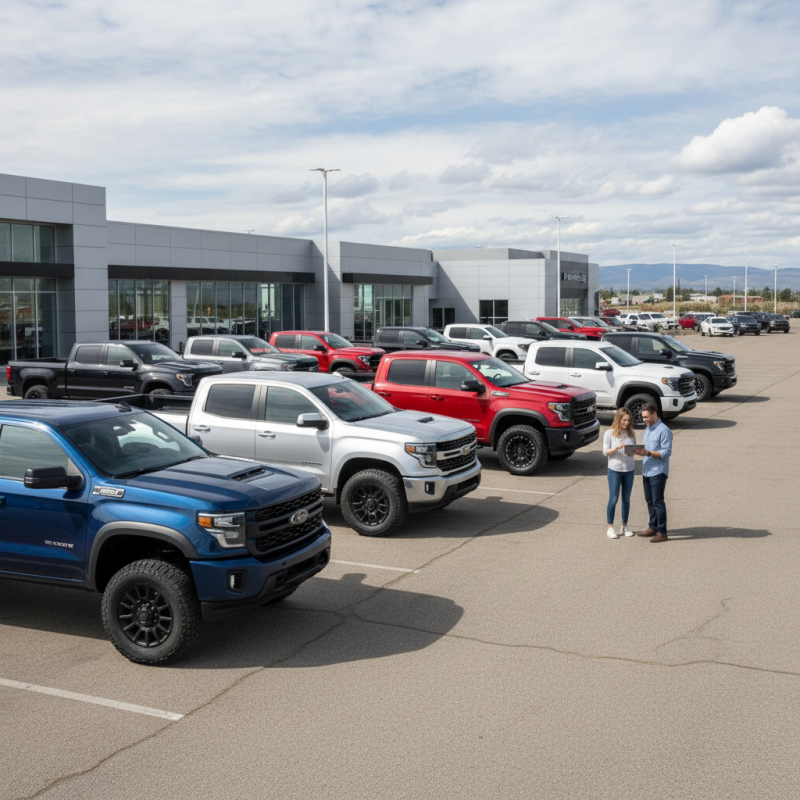
Understanding Your Specific Needs: Usage and Features
Choosing the right pickup truck requires careful consideration of your specific needs. Different tasks demand different features. If you frequently haul heavy loads, pay attention to towing capacity. Many experts suggest at least 6,000 pounds for serious hauling. Check the payload ratings, too. This figure is crucial for carrying equipment and cargo safely.
For those needing off-road capability, evaluate ground clearance and tire options. Research shows that over 60% of truck owners use their vehicles for off-roading at least occasionally. However, not all trucks are designed for this. Features like four-wheel drive can enhance your off-roading experience, but they add weight. Think about your overall usage.
Fuel efficiency is another critical factor. According to a recent report, almost 40% of truck buyers cite gas mileage as a top priority. A truck that consumes too much fuel can become costly over time. Yet, it's tempting to prioritize power over efficiency. Balance is key. Aim for a truck that meets your daily needs without burdening your budget.
Comparison of Pickup Truck Features Based on User Needs
Assessing Engine Performance: Horsepower, Torque, and Fuel Efficiency
When choosing a pickup truck, engine performance is crucial. Horsepower and torque significantly influence a truck's capabilities. For example, a truck with 400 horsepower can handle tough tasks efficiently. Meanwhile, torque is essential for towing. A torque rating of 800 lb-ft allows for pulling heavy loads with ease. According to industry analysis, the ideal balance between horsepower and torque is vital for both work and everyday use.
Fuel efficiency often gets overlooked, yet it matters to many buyers. With fluctuating fuel prices, a truck that delivers 20 miles per gallon (MPG) can save money over time. Reports indicate that trucks with advanced engine technology can achieve better fuel efficiency without sacrificing performance. However, this often comes at a higher cost. Buyers must weigh the initial investment against long-term savings.
The choices can be overwhelming. Preferences vary widely. Some prioritize raw power; others focus on value. A truck might excel in one area and yet fall short in another. Which aspects do you value more? Assessing your own needs can lead to better decisions. Remember, the right vehicle should reflect your lifestyle, work requirements, and financial considerations.
How to Choose the Best Pickup Truck for Your Needs? - Assessing Engine Performance: Horsepower, Torque, and Fuel Efficiency
| Pickup Truck Model | Horsepower (hp) | Torque (lb-ft) | Fuel Efficiency (mpg) |
| Model A | 310 | 400 | 20 |
| Model B | 350 | 450 | 18 |
| Model C | 290 | 380 | 22 |
| Model D | 400 | 500 | 16 |
| Model E | 320 | 420 | 19 |
Analyzing Payload and Towing Capacities: Industry Standards and Recommendations
When choosing a pickup truck, payload and towing capacities are crucial. These capacities determine what you can carry and tow efficiently. Understand your specific needs. Consider factors like the type of cargo you transport and the weight of what you'll trailer.
Industry standards suggest payload capacities should match your usage. A truck might have a high towing capacity but low payload. This can be a limiting factor. For example, if you regularly tow trailers and carry tools, you need a balanced capacity. Look for models that offer a good mix.
It's important to research and compare options. Some trucks excel in towing but may not handle heavy payloads well. Think about your lifestyle too. Will you need to haul large furniture or camping gear? Reflect on these details before making your choice. A well-rounded pickup truck should meet various demands without compromise.
Evaluating Safety Ratings: Crash Test Results and Advanced Features
Evaluating safety ratings is crucial when selecting the right pickup truck. Safety should always come first. Look for vehicles with high crash test scores. They can significantly impact your decision. Understand the various safety features available.
Tips: Review crash test results from credible sources. Pay attention to ratings for both frontal and side impacts. Advanced safety features like automatic emergency braking, lane departure warnings, and blind-spot detection can greatly enhance safety. These features can save lives.
Consider how safety ratings align with your driving habits. If you regularly drive with passengers or carry heavy loads, prioritize trucks with superb safety scores. Remember, not all vehicles are created equal. Some may lack innovative safety technology. Investing time in research can prevent future regrets. Don't overlook this key aspect of your choice.
Considering Budget and Resale Value: Initial Costs and Long-Term Investment
When choosing a pickup truck, the initial cost can be daunting. You might find a truck that looks perfect on paper. However, the true test is how it fits your budget. Consider not just the sticker price but also insurance and taxes. A truck can quickly become a financial burden without proper planning.
Resale value is another important factor. Some trucks retain value better than others. Research models that have a history of good resale. This can save you money in the long run. You may pay a premium now, but a higher resale value can offset this.
Think about your needs and lifestyle. If you only plan to use the truck occasionally, a less expensive model might suffice. It's tempting to splurge on features, but they may not yield a good return later. Evaluate if those extras are worth it. Remember, practicality often beats luxury in the long run. Consider all these aspects carefully before making a decision.
