Why Choose Kit Aircraft for Your First Homebuilt Plane?
Building your first homebuilt plane is an exciting endeavor. Among the various options, kit aircraft stand out as a popular choice. They offer a unique combination of challenge and accessibility for new builders.
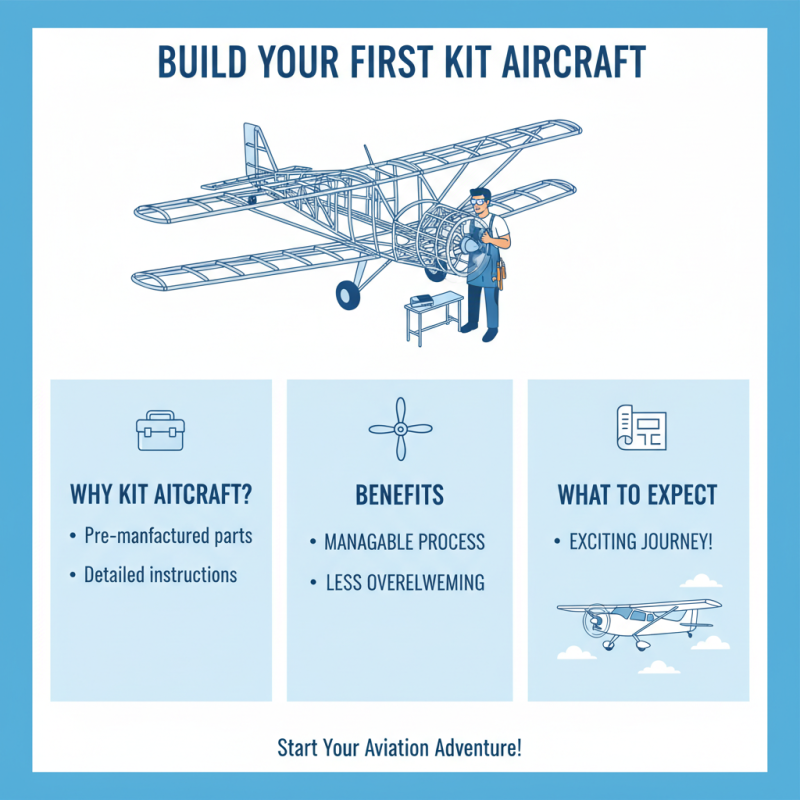
Kit aircraft come with pre-manufactured parts, making assembly more manageable. This can significantly reduce the time required to complete your project. The instructions are usually detailed and transparent, guiding you through the entire process. For those who worry about going it alone, many builders form communities. They share tips, offer support, and celebrate the learning curve of building.
However, it's essential to reflect on your motivations. Are you doing it just for the thrill? Remember, every builder faces challenges. Some parts may not fit perfectly, and instructions might confuse you. Embracing imperfections is part of the experience and growth in this journey. Choosing kit aircraft can transform your vision into reality, while providing lessons you carry beyond the build.
Benefits of Choosing Kit Aircraft for First-Time Builders
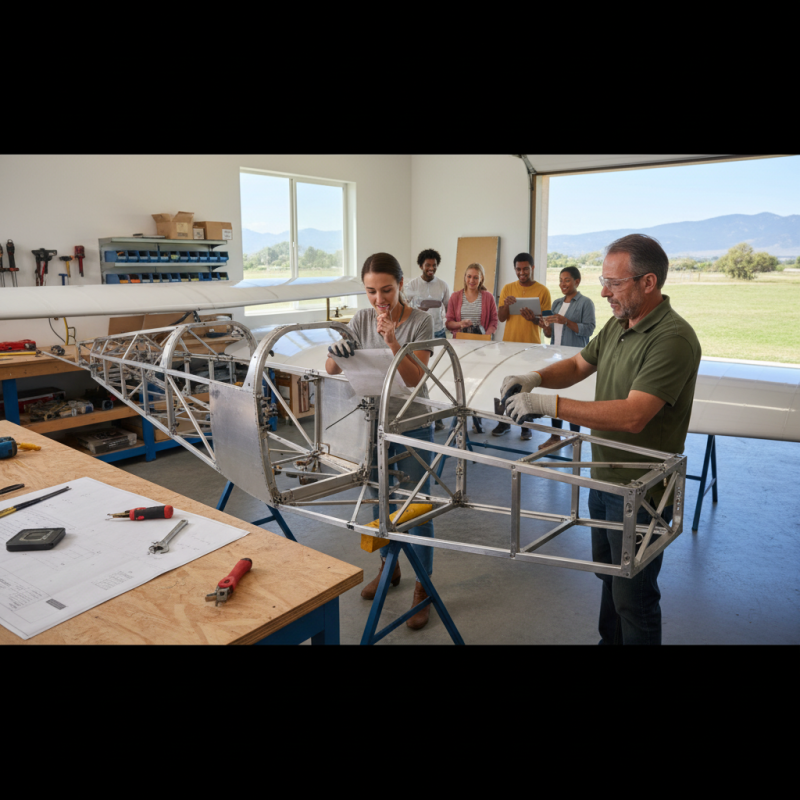
Building your first homebuilt plane can be an exciting journey. One popular choice for many enthusiasts is the kit aircraft. These kits come with pre-manufactured parts and detailed instructions. This makes the building process more manageable for first-time builders. You won’t feel overwhelmed by complex designs right away.
The assembly process is a learning experience. Many builders gain valuable hands-on skills. You might find that some parts fit perfectly while others require adjustments. This unpredictability can teach problem-solving skills and patience. Every builder faces challenges, but overcoming them is rewarding.
Another benefit is community support. Joining forums or local groups can provide assistance and advice. Other builders share their own experiences, offering tips on what works and what doesn’t. In the end, creating your aircraft becomes a collaborative endeavor. You find yourself part of a larger network of enthusiasts, which enriches the entire experience.
Types of Kit Aircraft Available for Homebuilding Enthusiasts
Building your first homebuilt plane is an exciting journey. Kit aircraft are a popular choice among enthusiasts. They come in various types, catering to different goals and preferences. Understanding these types can help in making an informed decision.
One popular option is the light sport aircraft kit. These typically require fewer materials and tools. They often have simpler designs, making them more accessible for beginners. A classic example is a low-wing configuration. This type can provide better visibility during flight. However, some builders struggle with stability issues during the assembly.
Another type is the experimental aircraft kit. These offer more design freedom, which can be appealing. Builders can customize elements according to their desires. But, this might introduce complexity. It requires careful planning and attention to details. Tips for this type include creating a detailed checklist. Keeping organized helps manage the various components involved. Document each step, as it aids in reflecting on mistakes and successes. Building a homebuilt plane is not just about flying; it’s about learning and growing along the way.
Essential Considerations When Selecting a Kit Aircraft
Building your own aircraft is a thrilling journey. Choosing a kit aircraft is a practical step for beginners. But there are some essential considerations to keep in mind. First, explore the complexity of the kit. Some kits are user-friendly, while others require advanced skills. You might encounter confusing instructions and the need for specialized tools.
Next, think about the available support. Some kits come with a strong community or builder assistance. This is crucial when you face challenges. Yet, not all kits offer adequate help. The absence of support can lead to frustration. Additionally, consider your budget. Kits vary widely in cost, and hidden expenses often emerge. These might include tools, parts, and unexpected repairs.
Safety should always be a priority. Verify if the kit meets safety standards. However, don't overlook your own proficiency. Building a plane is a significant responsibility. A simple mistake could have serious repercussions. Reflect on your skills honestly. This can help you choose a kit that matches your abilities. Taking time to weigh these factors will enhance your building experience.
Why Choose Kit Aircraft for Your First Homebuilt Plane? - Essential Considerations When Selecting a Kit Aircraft
| Consideration |
Details |
| Ease of Assembly |
Most kit aircraft come with detailed instructions, ensuring a smoother assembly process for first-time builders. |
| Cost |
Kit aircraft can be more affordable than buying a completed plane, providing a more budget-friendly option for new builders. |
| Support and Resources |
Many kit manufacturers provide robust support, including forums, build schools, and customer service. |
| Customization |
Kit aircraft allow builders to customize various aspects, including engine type and interiors, tailoring the aircraft to personal preferences. |
| Completion Time |
Depending on the complexity of the kit, completion times can vary widely, ranging from several months to a few years. |
| Safety |
Assessing the safety records and design of a kit aircraft is crucial for first-time builders to ensure reliability and performance. |
| Skill Level Requirement |
Some kits require advanced skills, while others are designed for beginners, making it essential to match the kit with the builder's abilities. |
| Resale Value |
Understanding the potential resale value and market demand for specific kit aircraft can influence long-term investment decisions. |
Building Process: What to Expect with Kit Aircraft
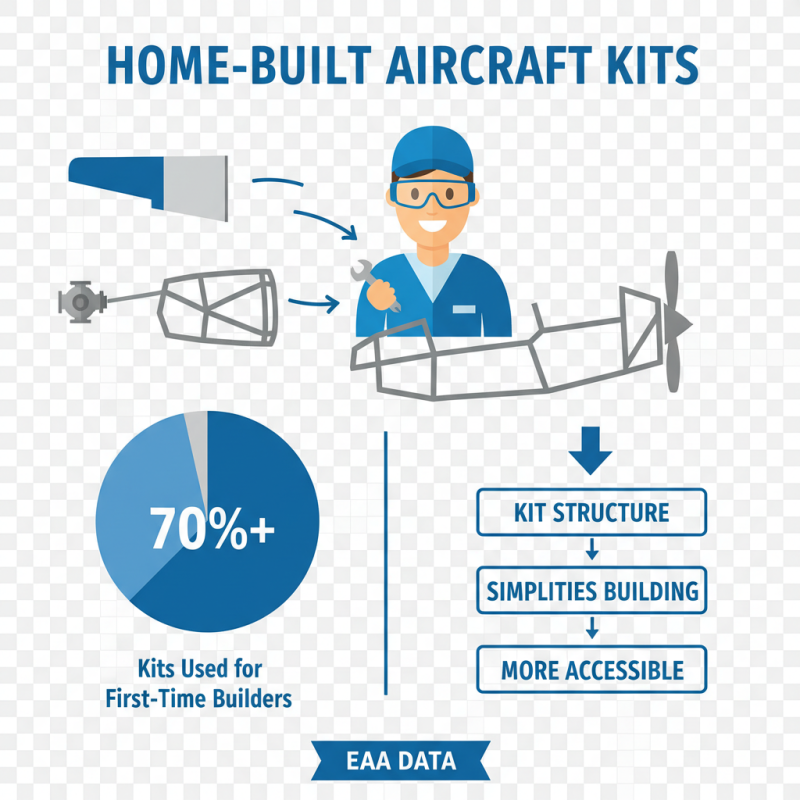
When considering kit aircraft for your first homebuilt plane, the building process can be both exciting and daunting. According to the Experimental Aircraft Association, over 70% of homebuilt aircraft are completed using kits. This highlights the popularity of kits among first-time builders. The structure provided in a kit simplifies the building process, making it more accessible.
However, the journey is not without challenges. Most builders report spending more time than anticipated on their projects. For instance, a study indicated that 50% of builders underestimated the total time investment. Attention to detail is crucial, as minor mistakes can lead to significant issues. Every step requires thorough planning and careful execution.
Working with a kit can also lead to moments of self-doubt. Builders may struggle with unfamiliar terminology or techniques, which can be frustrating. Some may even question their decision to embark on this journey. Yet, these obstacles are part of the learning experience. Embrace the process; every challenge is an opportunity for growth and reflection.
Support and Resources for First-Time Kit Aircraft Builders
Building your first kit aircraft can be both exciting and daunting. Many aspiring builders worry about where to start. Thankfully, there are numerous resources available. Online forums host a wealth of information. You can connect with experienced builders who share their journeys and tips. Don’t hesitate to ask questions. Everyone starts somewhere.
Local workshops and community colleges often offer courses on aviation construction. Attending these can provide hands-on experience. Meeting fellow builders in person can also ease your concerns. You may learn best practices and avoid common pitfalls. It’s important to remember that mistakes are part of the learning process. Everyone faces challenges.
Consider documentation and technical support that comes with your kit. Detailed manuals guide you through assembly and troubleshooting. However, they may not cover everything. Research beyond the manual when unsure. Online video tutorials can be lifesavers. With patience and persistence, you will find your rhythm. Each completed step will boost your confidence. Embrace the journey, imperfections and all.
Why Choose Kit Aircraft for Your First Homebuilt Plane?