2026 Best Aircraft Fuel System Suppliers for Global Buyers

The aircraft fuel system is easy to overlook—until a pump, valve, or sensor delays delivery. For global buyers, supplier selection is therefore about more than price. It means checking design capability, manufacturing consistency, traceability, maintenance support, and the ability to meet an aircraft program’s specific requirements.

Demand adds pressure. Boeing’s 2024 Commercial Market Outlook forecasts 43,975 new airplane deliveries through 2043, while IATA’s 2024 industry outlook estimated airline fuel costs at about $291 billion. These figures do not predict demand for any single component. They do show why buyers need dependable supply chains and careful lifecycle planning. Small differences matter: a clearly documented component, responsive technical support, and stable access to replacement parts can shape an aircraft program’s day-to-day reliability.

Sustainability is changing procurement, too. IATA Director General Willie Walsh has said, “SAF is the only option for aviation to achieve net zero emissions by 2050.” Fuel-system suppliers do not control that transition alone, but their engineering choices can affect compatibility, monitoring, and future integration work. A supplier list is only a starting point. Buyers still need to verify qualifications, product scope, and support commitments against their own program needs. That part takes work. This 2026 guide compares aircraft fuel system suppliers for global buyers, while recognizing that public information cannot replace a technical audit or direct supplier evaluation.

2026 Best Aircraft Fuel System Suppliers for Global Buyers

Understanding Aircraft Fuel Systems and Their Core Components

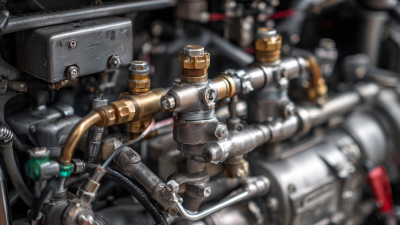
An aircraft fuel system does more than move fuel from a tank to an engine. It stores, measures, conditions, and routes fuel while managing pressure and airflow. Typical components include tanks, boost pumps, filters, shutoff valves, fuel lines, vents, and quantity sensors. Small parts matter. A blocked filter or inaccurate sensor can complicate troubleshooting, even when the engine itself is sound.

Fuel may pass through pumps and filters before reaching the engine, while valves control shutoff or transfer between tanks. Venting helps prevent unwanted pressure differences as fuel is used. The exact layout varies by aircraft, so a component list alone cannot confirm compatibility. FAA Advisory Circular 25.981-1D addresses prevention of ignition sources in transport-aircraft fuel tanks, underscoring the importance of system design and maintenance controls.

Not just plumbing.

Fuel economics make system performance commercially important, too. IATA’s 2024 industry outlook estimated a global airline fuel bill of about $291 billion, or roughly 31% of operating costs. That figure describes airline-wide spending, not the cost of any single component. Yet diagrams can make the system look tidier than maintenance allows: access, inspection intervals, and aircraft configuration all matter. Buyers should verify specifications against approved aircraft documentation and request clear traceability for supplied parts.

How to Evaluate Aircraft Fuel System Suppliers

When assessing aircraft fuel system suppliers, match their capabilities to your aircraft’s operating conditions and program requirements. Ask how they manage design changes, configuration records, and component traceability. Request relevant test reports and inspection records, not just a general quality certificate. A supplier should explain how its engineering team handles vibration, temperature variation, fuel compatibility, and maintenance access. Small details matter.

Tips: Share a clear specification and ask for a sample documentation package. Check production capacity, delivery assumptions, and the process for reporting defects. Speak with customers who have supported similar aircraft programs, where possible.

Compare suppliers on evidence, not presentation alone. A facility visit can reveal how parts are stored, labeled, and inspected. Confirm who answers technical questions and how quickly issues are escalated. Review support for repairs, replacement parts, and configuration updates throughout the expected service life. Price matters, but a low quote may exclude testing, documentation, or change support. Be cautious with promises that sound unusually simple. Even a careful review has limits: an audit is only a snapshot, and paperwork can miss day-to-day problems. Recheck key claims against real records and follow-up conversations.

Key Certifications and Capabilities for Global Buyers

For global aircraft fuel-system buyers, a supplier’s certificate is useful only when its scope matches the parts being purchased. Ask for current quality-management certificates, such as AS9100 or ISO 9001, and verify the issuing body, site, expiry date, and covered activities. These standards support controlled processes; they do not, by themselves, prove that a specific pump, valve, or manifold meets an aircraft design approval. Paperwork matters.

Look for material traceability from batch records to each delivered component, calibrated test equipment, and retained inspection results. Practical capability should include pressure and leak testing, cleanliness controls, configuration management, and clear handling of nonconforming parts. Buyers should confirm that fuel-wetted materials and seals suit the specified temperature and fluid range. For regulated production, verify required production or design approvals against the supplier’s scope and program requirements. Ask how engineering changes are reviewed and communicated across sites. A neat certificate folder cannot answer that.

2026 Best Aircraft Fuel System Suppliers for Global Buyers: Key Certifications and Capabilities

Certification cycles are not supplier performance scores. ISO 9001 and AS9100 certifications generally follow a three-year cycle, subject to surveillance audits. NADCAP audit intervals commonly range from 12 to 24 months, depending on the accreditation program and merit status. Buyers should verify each supplier’s current certificate, scope, and relevant fuel-system capabilities.

Leading Aircraft Fuel System Suppliers in 2026

Leading aircraft fuel system suppliers in 2026 are judged by more than component range. Buyers should look for proven engineering, consistent production controls, and clear technical documentation. A fuel pump, valve, or quantity sensor must perform reliably across vibration, temperature changes, and demanding service cycles. Small variations matter. Ask how suppliers verify materials, inspect assemblies, and record test results. Traceable records make later maintenance and quality reviews easier.

A capable supplier can explain how its designs fit the aircraft, installation constraints, and operating conditions. Look for practical support with configuration changes, troubleshooting, and replacement-part planning. Response time matters when an aircraft is waiting for a repair. So does clarity. Compare lead times, production capacity, and support arrangements using the same questions for each candidate. Request evidence for performance claims, not just polished product descriptions. No supplier is perfect. Some publish limited data, and buyers may need to ask more than once. A careful review can reveal gaps before procurement decisions are final. In 2026, the strongest supplier relationships will combine sound technical capability with dependable communication and transparent quality records.

2026 Best Aircraft Fuel System Suppliers for Global Buyers — Leading Supplier Capabilities

A supplier-category comparison for procurement planning. It does not rank individual companies; capabilities, approvals, and product availability must be verified for each supplier and aircraft program.

Supplier Category Typical Products and Scope Common Buyer Requirements Relevant Standards or Approvals to Check Typical Applications
Fuel pump specialists Engine-driven and electric boost pumps, transfer pumps, and pump assemblies. Confirm flow and pressure requirements, fuel compatibility, operating-temperature range, electrical or mechanical interfaces, and approved configuration. Check the aircraft’s approved design data and applicable production approval. FAA Parts Manufacturer Approval (PMA) may apply to eligible replacement articles; applicability is product-specific. Fuel delivery, tank-to-tank transfer, and engine feed systems.
Valves and flow-control suppliers Shutoff, selector, crossfeed, check, bypass, and pressure-control valves. Review pressure and flow limits, leakage criteria, actuation method, fail-safe behavior, materials, and connection dimensions. Verify the component’s installation eligibility and traceability against the aircraft’s approved configuration; do not assume a general quality certificate is a design or installation approval. Fuel isolation, routing, pressure regulation, and system protection.
Fuel filtration and contamination-control suppliers Fuel filters, strainers, filter housings, and associated monitoring or bypass features. Check filtration performance, pressure drop, service interval, element availability, fuel compatibility, and maintenance instructions. Request the applicable technical specification, conformity documentation, and evidence that the part is approved for the intended aircraft or engine installation. Protection of pumps, metering equipment, and downstream fuel-system components.
Fuel quantity and gauging suppliers Tank-level sensors, probes, signal conditioning units, indicators, and related wiring interfaces. Assess measurement range and accuracy, tank geometry compatibility, electrical interface, calibration needs, and fault-detection provisions. Confirm the approved system configuration and applicable aircraft airworthiness requirements; verify environmental qualification and installation documentation where required by the program. Fuel quantity indication and monitoring across aircraft tank configurations.
Refueling and defueling equipment suppliers Refueling receptacles, pressure-refueling components, defueling connections, and associated valves. Check interface dimensions, operating pressure, bonding and grounding provisions, access requirements, and compatibility with ground-service procedures. Review aircraft-specific approved design data, maintenance instructions, and applicable operational requirements for the intended installation. Ground refueling, fuel servicing, and controlled fuel removal.
Fuel tank and sealing specialists Tank structures or bladders, seals, access panels, liners, and repair materials, depending on aircraft design. Verify tank configuration, material compatibility, repair limits, installation method, inspection requirements, and long-term parts support. Confirm approved design or repair data for the specific aircraft. For transport-category airplanes, fuel-system requirements are addressed in FAA 14 CFR Part 25 Subpart E and the corresponding certification basis. Integral and bladder-type tank assemblies, tank access, and approved tank repairs.
Integrated fuel-system engineering suppliers System architecture, component integration, piping and wiring design, controls, testing, and certification support. Evaluate configuration management, interface control, verification plans, test evidence, change management, and support throughout the aircraft program. Check the organization’s role and authorization under the applicable approval framework. AS9100 is an aerospace quality-management-system standard; it does not by itself approve a product for installation. New aircraft programs, system upgrades, and complex integration projects.
Aftermarket and replacement-part suppliers Replacement components, repair parts, and maintenance support for existing aircraft fleets. Review part-number applicability, effectivity, life limits, traceability, lead time, repair support, and continued availability. For U.S. applications, verify whether FAA PMA or another applicable approval is required and held for the specific article. For other jurisdictions, confirm acceptance with the relevant aviation authority and operator. Fleet maintenance, component replacement, and approved modifications or repairs.

Comparing Suppliers and Selecting the Right Partner

Comparing Suppliers and Selecting the Right Partner

Choosing an aircraft fuel system supplier takes more than comparing prices and product ranges. Buyers should examine engineering capability, quality controls, documentation, and support across the system’s service life. Ask how the supplier manages design changes and keeps component records traceable. Clear answers matter.

Request evidence of relevant testing, material compatibility, and inspection procedures. Review sample documents, such as a configuration record or test report, and check whether they are complete and easy to follow. Confirm that the supplier’s approvals and quality processes fit your project requirements. Do not rely on a certificate alone; verify its scope and current status. A tidy presentation can still hide slow replies or unclear revision control.

Global buyers should compare lead-time assumptions, packaging methods, technical communication, and plans for handling shortages. Ask for realistic delivery ranges, not just an ideal date. Speak with references whose projects resemble yours, and consider a site or process audit when practical. Keep a simple scorecard, but leave room for engineering judgment. A supplier with a lower price may create extra work if its documentation arrives late. No scorecard removes judgment. Even a strong candidate may have a weak point worth discussing before commitment.