Why Is Aircraft Service Essential for Aviation Safety?
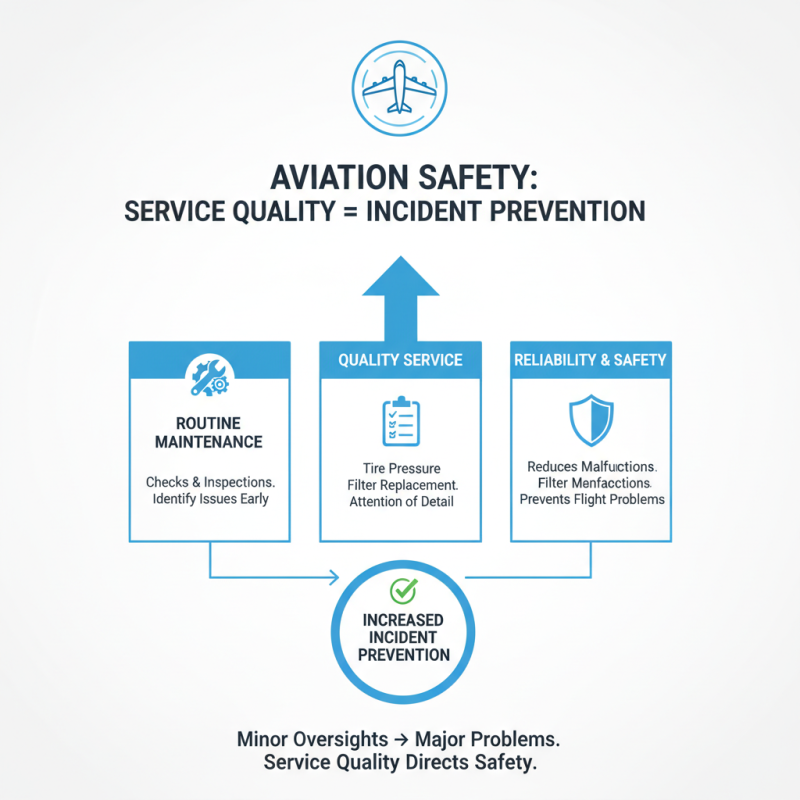
Aviation safety relies heavily on regular aircraft service. Each flight requires meticulous checks to ensure functionality and safety. The intricate systems within an aircraft must work harmoniously. A minor oversight can lead to catastrophic results. This reality emphasizes the need for diligent maintenance.
Aircraft service is not just about meeting regulations. It involves routine inspections, repairs, and upgrades. Technicians meticulously examine engines, navigation systems, and safety equipment. Each component needs attention to detail. Even a small defect can compromise a flight.
However, it’s not always perfect. There are instances where service schedules are rushed or overlooked. Some airlines cut corners to save time or money. This can create vulnerabilities in safety. Recognizing these flaws is vital to improving the overall safety of aviation. A commitment to thorough aircraft service is essential to protect every passenger on board.
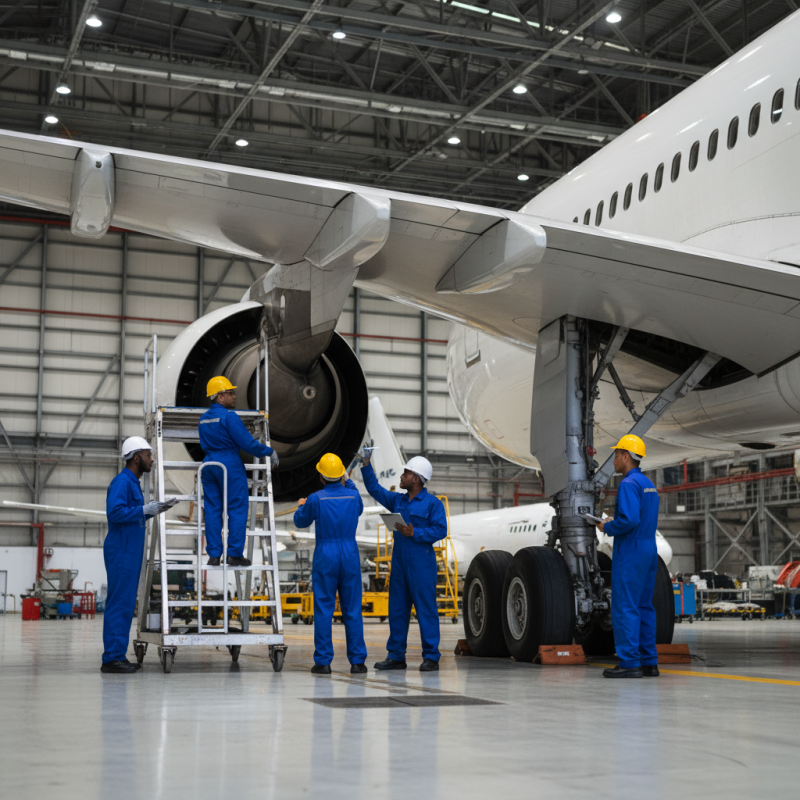
The Role of Aircraft Service in Ensuring Safety Standards
Aircraft service plays a pivotal role in maintaining aviation safety standards. Regular inspections and maintenance checks ensure that aircraft components function properly. According to the Federal Aviation Administration (FAA), 30% of aviation incidents stem from maintenance-related issues. This statistic highlights the necessity of stringent service protocols.
Routine maintenance can detect issues like wear and tear in engines and systems before they escalate. For instance, a small crack in a fuselage could lead to serious consequences if unnoticed. The European Union Aviation Safety Agency (EASA) states that proper maintenance could prevent up to 75% of airworthiness incidents. However, not all operators adhere to best practices, leading to gaps in safety.
Human factors also play a significant role in aircraft service. Often, technicians might overlook minor details due to time constraints or pressure. A study from the National Transportation Safety Board (NTSB) found that nearly 20% of accidents involved oversight during maintenance. It is vital to foster a culture of diligence and accountability within maintenance teams to ensure safety is never compromised.
Types of Aircraft Services Impacting Aviation Safety
Aircraft service plays a crucial role in ensuring safety in aviation. Regular maintenance checks are essential for keeping planes in optimal condition. Different types of aircraft services focus on various aspects of safety. There are scheduled inspections, repairs, and emergency servicing. Each type affects the overall reliability of the aircraft.
Scheduled inspections are routine checks, ensuring all parts function properly. They cover engines, wings, and control systems. Repairs address any wear and tear, but they may be overlooked. Emergency services react to urgent issues like malfunctions. These can be chaotic and rushed, sometimes leading to mistakes. Each service type is interconnected; neglecting one can jeopardize safety.
Furthermore, pilot training and crew readiness depend on well-maintained aircraft. An equipment failure during flight can have severe consequences. It's unsettling to think that small oversights in service might lead to accidents. Vigilance in scheduling and performing servicing is essential. Regular audits of service procedures may reveal weaknesses. Continuous improvement is necessary for aviation safety.
Regular Maintenance Checks and Their Importance
Regular maintenance checks are vital for aviation safety. They ensure that all aircraft systems function optimally. According to the Federal Aviation Administration (FAA), proper maintenance can prevent 60% of potential accidents. These checks identify wear and tear before it poses a risk. For example, engine inspections can catch small issues before they escalate.
Routine inspections involve various checks, including structural assessments and system diagnostics. The International Civil Aviation Organization (ICAO) recommends thorough inspections every 100 flight hours. Adhering to this guideline significantly enhances safety. However, not every airline meets these standards consistently. Some may overlook small details, risking safety in the process.
It's important to reflect on the consequences of skipping maintenance. A minor oversight can lead to catastrophic failures. In 2021, improper maintenance was a factor in 15% of reported accidents. This statistic underscores the necessity of rigorous, regular checks. Airlines must foster a culture of safety. Striving for compliance is not enough; proactive maintenance is crucial.
Regulatory Oversight of Aircraft Service Practices
Regulatory oversight is fundamental in ensuring aircraft service complies with safety standards. Aviation authorities worldwide enforce regulations that outline maintenance practices. According to the International Civil Aviation Organization (ICAO), over 70% of aviation incidents arise from maintenance issues. This statistic underlines the importance of stringent oversight.
Effective regulations include regular inspections and adherence to maintenance schedules. The Federal Aviation Administration (FAA) mandates that airlines conduct routine checks every 100 flight hours. Such practices promote not only compliance but also a culture of safety within the aviation industry. However, adherence is not always consistent. Some organizations may prioritize cost over safety compliance. This can lead to serious consequences.
Tips for ensuring effective aircraft service include fostering a safety-first culture. Encourage teams to report issues without fear. Regular training is also crucial. Keeping up with industry standards and advancements can prevent lapses in service quality. Remember, a single oversight can jeopardize lives. Continuous improvement and vigilance are essential for maintaining aviation safety.