What is an Adjusting Rod and How Does It Work?
The Adjusting Rod is a critical component in various mechanical systems, playing a pivotal role in aligning and stabilizing structures. According to recent industry reports, the global market for adjusting systems is projected to grow significantly, driven by advancements in engineering and manufacturing. The Adjusting Rod enables precise modifications, ensuring optimal performance in machinery.
However, the effectiveness of an Adjusting Rod depends on its design and material. Poorly designed rods can lead to malfunctions and inefficiencies. Studies show that nearly 30% of machinery breakdowns can be traced back to improper adjustments. This highlights the need for careful selection and maintenance of these components.
Implementing high-quality Adjusting Rods can enhance durability and reduce maintenance costs. Yet, not all manufacturers prioritize quality. This inconsistency can create challenges for users. Understanding the intricacies of how an Adjusting Rod functions is essential in ensuring reliable operation across various industries. The relationship between rod quality and performance cannot be overlooked, as it directly impacts productivity and safety.
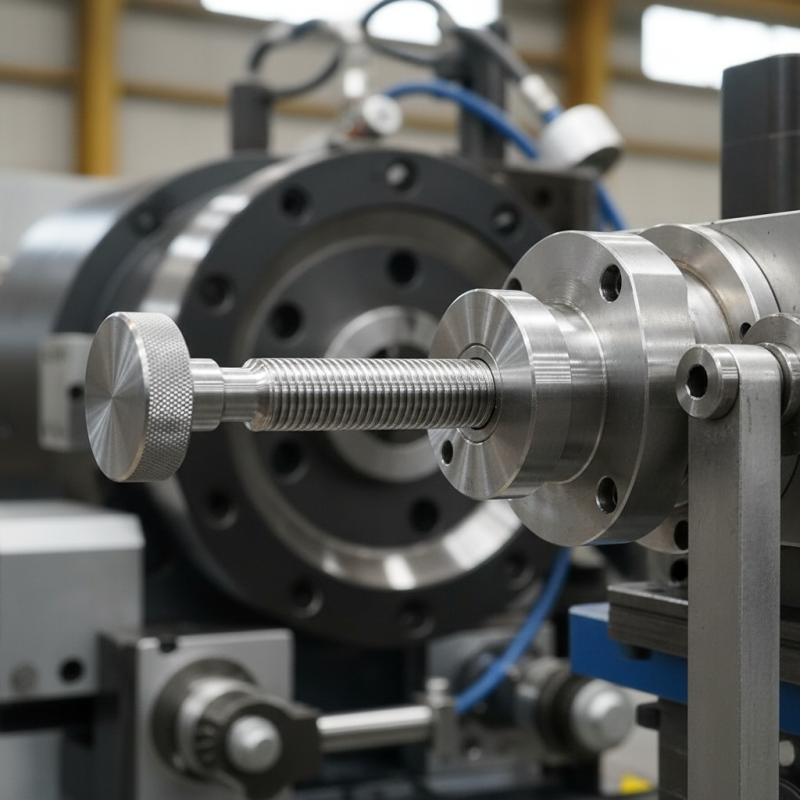
What Is an Adjusting Rod? Definition and Basic Functionality
An adjusting rod is a crucial component in various machinery and engineering applications. It’s primarily used to fine-tune the alignment or position of machinery parts. This rod plays a vital role in ensuring optimal performance. Understanding its functionality can lead to better maintenance practices.
The basic function of an adjusting rod involves altering the length or angle of components for precise operations. For example, in construction, misalignment can lead to significant inefficiencies. Research reveals that over 40% of machinery downtime is due to misalignment issues. Regular use of adjusting rods can mitigate these problems.
While adjusting rods are beneficial, they can wear out under heavy use. This wear and tear can affect performance, leading to potential failures. Operators should routinely check these rods to ensure they function correctly. Ignoring maintenance can result in costly repairs. Evaluating the condition of adjusting rods is crucial for longevity and efficiency.
Historical Development of Adjusting Rods in Engineering Applications
Adjusting rods have evolved significantly over time, impacting various engineering applications. Historically, these simple yet effective tools were used in construction and transportation. They played a crucial role in aligning heavy machinery and structures. In the early days, adjusting rods were primarily made of wood or iron, requiring significant manual effort for adjustments. Over time, advancements in materials and design made these rods more efficient and easier to use.
In the 20th century, the introduction of steel and aluminum revolutionized adjusting rods. Engineers began to design rods that were not only stronger but also lighter. This shift facilitated their use in more complex engineering tasks. For example, adjusting rods became vital for the precision needed in the aerospace industry. Their ability to offer adjustments in real-time improved accuracy and safety.
Tips: When using adjusting rods, always check for wear and tear. Regular maintenance extends their lifespan. Ensure proper alignment before making adjustments. A slight miscalculation can lead to significant errors. Remember, even small changes in measurement can greatly affect the final outcome.
Historical Development of Adjusting Rods in Engineering Applications
How Adjusting Rods Are Used in Different Industries: A Sector Overview
Adjusting rods play a critical role across various industries, providing essential support in positioning and stability. In construction, these rods ensure precise alignment of structures. Reports show that improper alignment can lead to costly delays, estimated at 10% of project budgets. This highlights the need for effective adjusting solutions.
In the automotive sector, adjusting rods help fine-tune vehicle assemblies. They ensure parts fit properly, contributing to safety and performance. Studies indicate that defects due to misalignment can compromise safety, with nearly 30,000 accidents attributed to manufacturing errors each year. This statistic underscores the importance of proper adjustment mechanisms.
The aerospace industry also relies on these rods for critical calibration in aircraft assembly. Precision is paramount here, where even a slight error can be catastrophic. The industry standard for adjustment precision demands tolerances of less than 0.01 inches. This raises questions about current manufacturing processes and encourages ongoing improvement in rod design and implementation.
What is an Adjusting Rod and How Does It Work? - How Adjusting Rods Are Used in Different Industries: A Sector Overview
| Industry | Application | Adjusting Rod Function | Material Used | Benefits |
| Manufacturing | Precision machining | Adjusts tool positions for accuracy | Steel, aluminum | Improved production quality |
| Construction | Structural adjustments | Levels and aligns structures | High-strength alloy | Enhanced stability and safety |
| Automotive | Adjustment of suspension systems | Tuning for performance | Carbon steel | Improved handling and comfort |
| Aerospace | Wing and control surfaces adjustment | Ensures aerodynamic efficiency | Titanium alloys | Weight reduction, enhanced performance |
| Robotics | End effector alignment | Improves task precision | Plastic composites, metals | Increased operational efficiency |
Key Technical Specifications and Performance Metrics of Adjusting Rods
Adjusting rods play a critical role in machinery and engineering applications. These components are essential for achieving precise alignment and adjustments. The technical specifications of adjusting rods often include material strength, length, and diameter. Common materials include steel and aluminum. The choice of material greatly influences performance and durability.
Performance metrics are vital in evaluating adjusting rods. Load-bearing capacity is a key factor, often ranging from 1000 to 5000 pounds. These rods must withstand significant forces. The adjustments typically allow for a tolerance of 0.01 inches, ensuring high accuracy. Reports indicate that wear rates can impact longevity. Regular inspections are crucial.
Despite their importance, many users overlook the significance of proper maintenance. Many adjusting rods also suffer from corrosion or deformation over time. This can lead to misalignment, affecting overall machinery performance. Understanding the limitations and potential failures of adjusting rods can guide engineers in adopting better practices.
Common Challenges and Solutions in the Use of Adjusting Rods in Fieldwork
Adjusting rods are essential tools in fieldwork, yet their use often encounters challenges. One common issue is the difficulty of maintaining accurate measurements in uneven terrain. Studies show that up to 30% of measurement errors stem from improper rod alignment. Users often struggle with stability, which can lead to significant discrepancies in data collection. Adjusting rods must be firmly planted to avoid shifts during measurement.
Another notable challenge is the wear and tear on rods due to harsh environmental conditions. Reports indicate that about 40% of fieldworkers face issues with equipment durability. Frequent exposure to moisture or extreme temperatures can compromise functionality. Regular inspection is crucial, yet it is often overlooked. This neglect can result in overlooking small issues that could escalate into bigger problems over time.
Fieldwork requires attention to precision and detail. Minor adjustments can lead to major improvements in data accuracy. Users need to be mindful of their adjusting rod's condition. Engaging in routine calibration is essential yet frequently skipped. A more proactive approach could enhance overall efficiency, ultimately yielding more reliable results in the field.
