2025 Guide: How to Choose the Best Aircraft Service for Your Needs
In the ever-evolving aviation industry, selecting the right aircraft service can significantly impact both operational efficiency and safety. According to Dr. Emily Stanton, a renowned expert in aviation management, "The key to a successful flight operation lies in choosing an aircraft service that aligns with your specific needs and priorities." This insight underscores the importance of making informed decisions when it comes to maintenance, repair, and overall aircraft management.
As aircraft technology advances and regulatory standards become more stringent, the choices available in the aircraft service sector are increasing. This abundance of options can be overwhelming for operators and owners alike. Therefore, understanding the core aspects of what constitutes quality aircraft service—such as expertise, reliability, and customer support—becomes essential in navigating this complex landscape.
Ultimately, choosing the best aircraft service requires careful consideration of your unique requirements, whether you're operating a small private jet or a large commercial fleet. By focusing on key factors and consulting with industry professionals, you can ensure that your selection process leads to enhanced safety, performance, and satisfaction in your aviation endeavors.

Understanding Your Aircraft Service Requirements
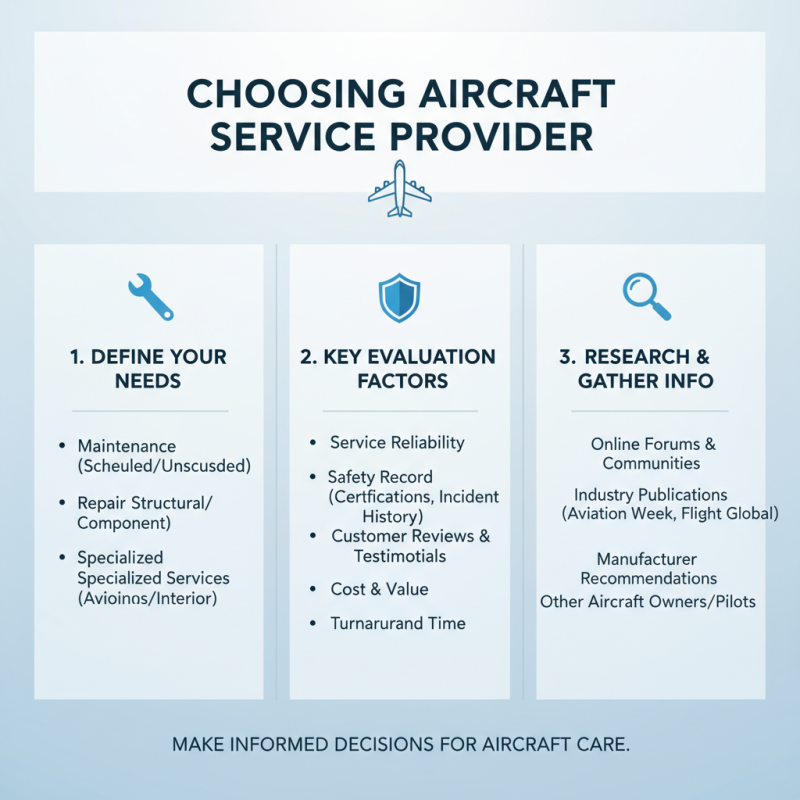
When it comes to selecting the right aircraft service, understanding your specific requirements is essential. Different aircraft have varying maintenance, repair, and operational needs based on their size, type, and usage. For example, commercial jets may require more frequent checks and compliance with stringent regulations, while private aircraft owners might prioritize personalized services and rapid turnaround times. Assessing your aircraft’s operating profile, including flight frequency and mission types, helps in determining what level of service you will need.
In addition to maintenance and repair considerations, it's important to factor in the availability of specialized services. This may include inspection capabilities, parts support, and technical expertise for your specific aircraft model. Engage with potential service providers to discuss their offerings and gauge their flexibility in meeting your needs. A thorough understanding of both your aircraft's requirements and the capabilities of the service provider will enable you to make an informed decision, ensuring your aircraft is serviced efficiently and safely.
2025 Guide: How to Choose the Best Aircraft Service for Your Needs
| Service Type |
Description |
Cost Estimate (USD) |
Turnaround Time |
Key Considerations |
| Maintenance |
Routine checks to ensure aircraft safety and functionality. |
$1,500 - $10,000 |
1 - 7 days |
Frequency of use, aircraft age, regulatory requirements. |
| Repair |
Fixing any faults or damages to the aircraft. |
$500 - $50,000 |
1 day - Several weeks |
Nature of the damage, parts availability, technician expertise. |
| Refueling |
Filling up the aircraft's fuel tanks. |
$2.00 - $5.00 per gallon |
Under 1 hour |
Fuel type, location, availability of services. |
| Cleaning |
Interior and exterior cleaning services. |
$200 - $1,500 |
1 - 3 days |
Type of cleaning, aircraft size, additional services. |
| Customization |
Modifying aircraft features or aesthetics. |
$1,000 - $100,000+ |
Varies widely |
Design options, compliance with regulations, budget constraints. |
Evaluating Different Types of Aircraft Services
When evaluating different types of aircraft services, it's essential to consider the specific needs of your operation. Aircraft services can range from maintenance and repair to ground handling and support during flight operations. Each type of service has distinct features that cater to varying operational requirements. For instance, routine maintenance services ensure the aircraft is always ready for flight by checking and replacing essential components, while specialized services might focus on avionics upgrades or engine overhauls that require advanced technical expertise.
Additionally, ground handling services play a crucial role in ensuring that aircraft are serviced efficiently before and after flights. This includes loading and unloading cargo, managing baggage, and providing fuel and catering services. Understanding the various types of ground services available can help streamline operations and enhance overall efficiency. It’s also vital to evaluate turnaround times, the experience of service personnel, and the availability of necessary equipment, as these factors significantly impact your aircraft's operational readiness and safety.
Key Factors to Consider When Choosing a Service Provider
When selecting an aircraft service provider, it's crucial to assess several key factors that align with your specific needs. One of the most significant aspects to consider is the provider's experience and industry reputation. According to a report by the International Air Transport Association (IATA), providers with extensive experience typically ensure higher safety and compliance standards. Look for companies that have been in operation for several years and have a track record of delivering quality service.
Another critical factor is the range of services offered. A comprehensive service provider should be able to accommodate various needs, from routine maintenance to emergency repairs. According to the Aviation Safety Network, service providers who specialize in diverse areas not only save time but also enhance the reliability of your aircraft operations.
**Tips:** When evaluating potential service providers, don’t hesitate to ask for references or case studies to gauge their capability and client satisfaction. Additionally, ensure they maintain up-to-date certifications and adhere to the latest safety regulations set by aviation authorities.
Cost-effectiveness is also an essential consideration. While it's tempting to choose the cheapest option, a low price may compromise service quality. Industry data indicates that investing in a reputable provider can reduce long-term operational costs by minimizing downtime and enhancing aircraft performance.
**Tips:** Always request a detailed quote that breaks down costs and services included. This transparency helps avoid unexpected expenses and allows you to compare providers accurately.
2025 Aircraft Service Selection Criteria
Researching and Comparing Aircraft Service Providers
When researching and comparing aircraft service providers, it’s essential to begin with a clear understanding of your specific needs. Whether you require maintenance, repair, or specialized services, identify the factors that matter most, such as service reliability, safety record, and customer reviews. Gathering information from multiple sources, including online forums, aviation industry publications, and recommendations from other aircraft owners, can provide valuable insights into potential service providers.
**Tips:** One effective approach is to create a checklist of the criteria most important to you. This might include turnaround time, cost-effectiveness, and technician certifications. Additionally, visiting the service provider’s facility can give you a closer look at their operations and equipment, allowing you to assess their professionalism and capabilities firsthand.
Once you have a shortlist, don’t hesitate to reach out for quotes and detailed service options. Comparing these offers side-by-side can help highlight the strengths and weaknesses of each provider. Be sure to ask about their past experiences with similar aircraft types to ensure you're choosing a provider familiar with your specific model.
**Tips:** Check if they have a robust emergency support system and after-hours service availability, as these factors could be critical in case urgent maintenance is required. Keeping these considerations in mind will help you make an informed decision that aligns with your operational needs.
Assessing Customer Reviews and Ratings for Services
When selecting the best aircraft service for your needs, paying attention to customer reviews and ratings is critical. A recent study from the Aircraft Service Quality Survey indicated that over 70% of customers rely on peer reviews when making their decisions regarding aircraft maintenance and repair services. This statistic highlights the importance of transparent feedback in an industry where trust plays a significant role. Customer reviews not only reflect satisfaction levels but also provide insights into the reliability and professionalism of service providers.
Analysis of customer ratings from various platforms suggests that services with a high average rating, typically above 4.5 stars, tend to exhibit better operational performance and customer retention rates. According to the Aircraft Maintenance Industry Report, companies that actively engage with customer feedback demonstrate a 20% increase in loyalty. Therefore, it is essential to explore not just the numerical ratings but also the sentiments behind the reviews. Patterns of recurring praise or criticism can reveal strengths and weaknesses in services, helping potential customers make more informed choices tailored to their specific requirements.